


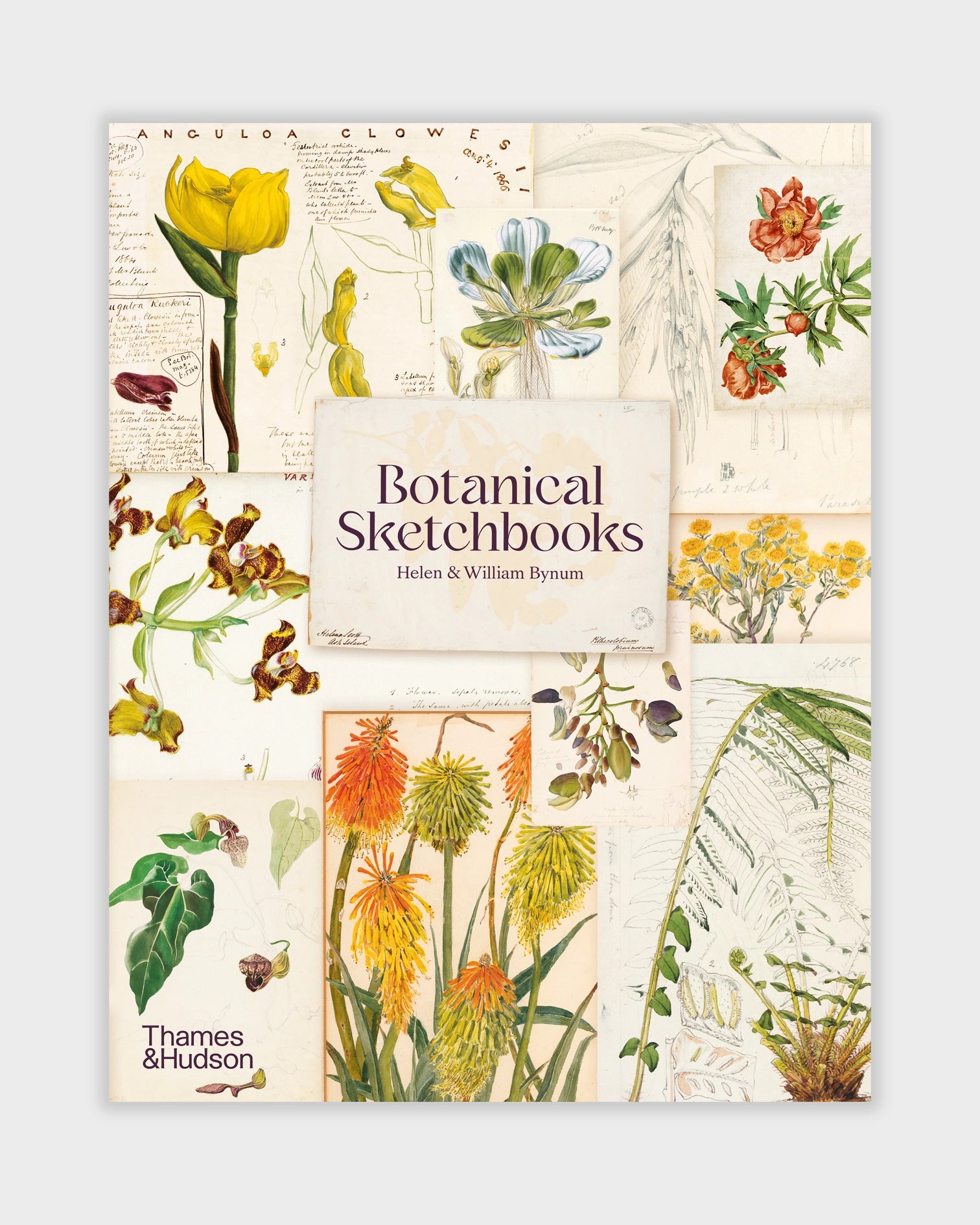
Words by Helen Bynum
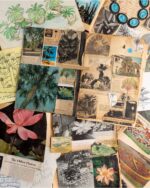
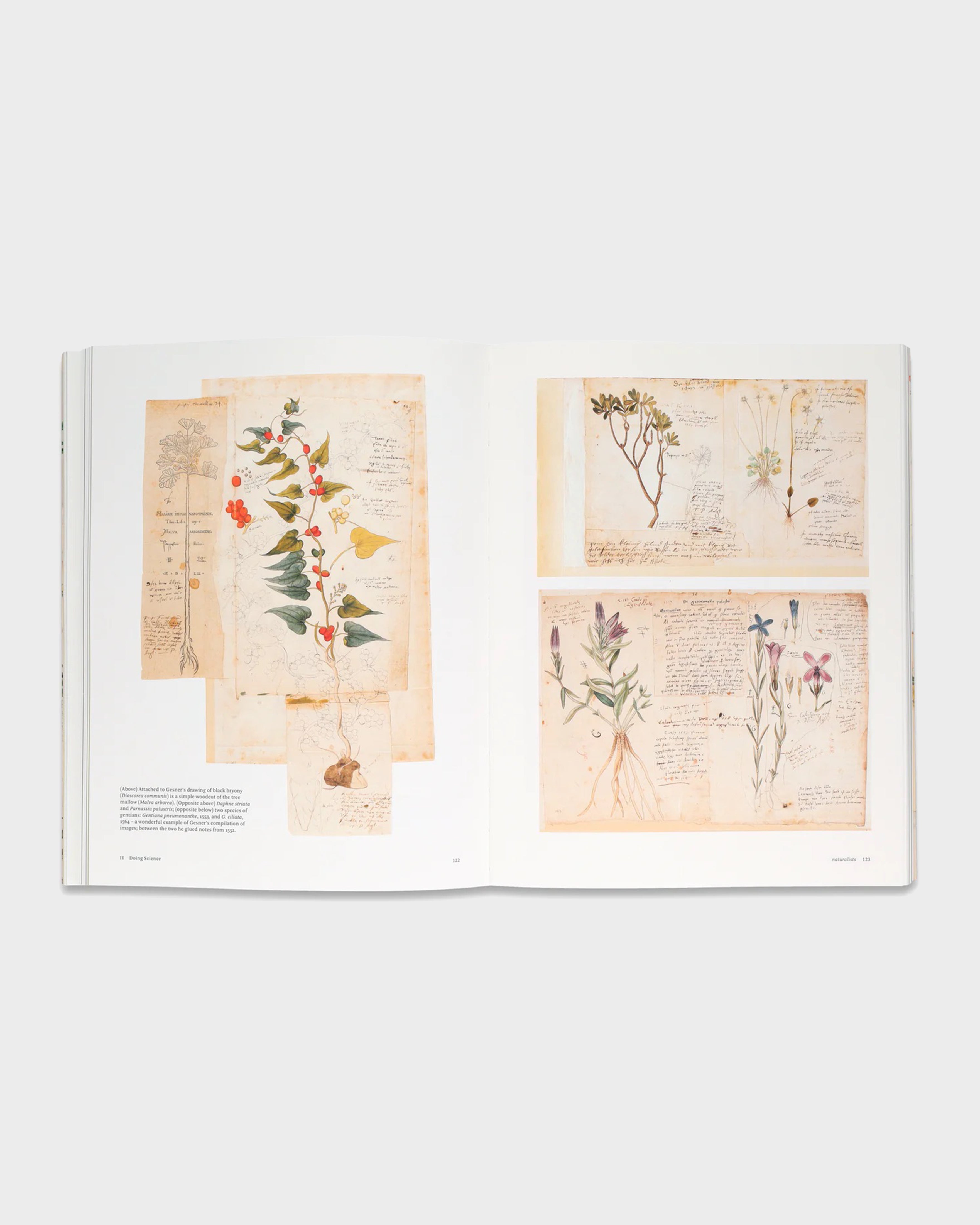
While highly finished drawings and paintings frequently feature in histories of botanical art, the preparatory sketches, first impressions and creative thoughts on paper behind them are rarely seen and have often remained hidden and locked away.
Botanical Sketchbooks brings these personal and vividly spontaneous records gloriously back into the light. In a series of biographical portraits organized thematically into four sections, the book illuminates a range of intriguing characters, from many different countries and cultures, including Germany, France, Italy, America, Australia, Japan and China. Sketchbooks proper are joined by notebooks, journals, albums, loose pieces of paper, works on vellum, manuscripts, letters, herbarium sheets and marginalia – even one drawing on the back of an envelope.
Turning the pages of this book will be an invitation to relive extraordinary experiences, imagine lost worlds, and be immersed in the endeavours, observations and motivations of the makers of such beautiful and enchanting art.
Published by Thames & Hudson Ltd
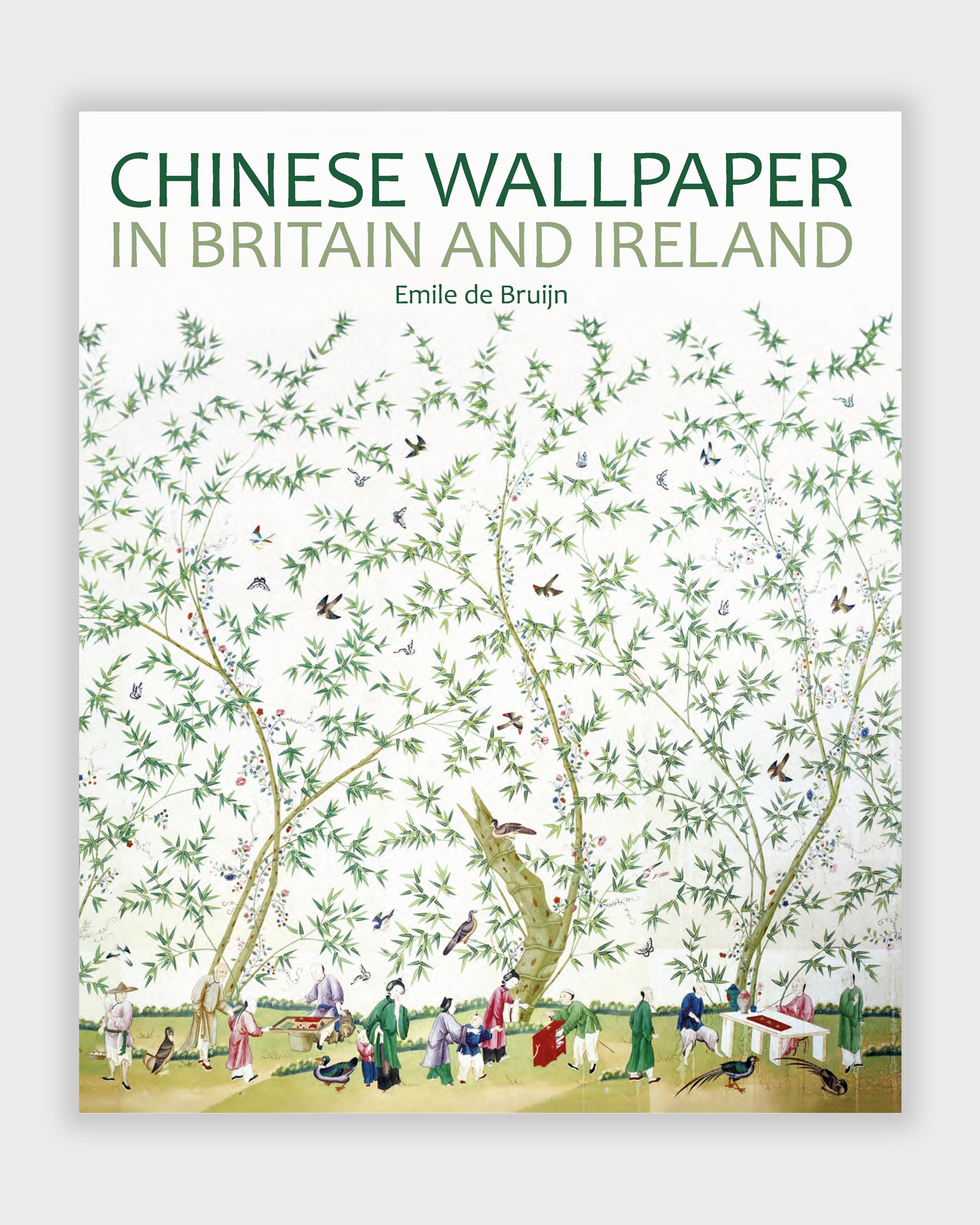
Words by Emile de Bruijn
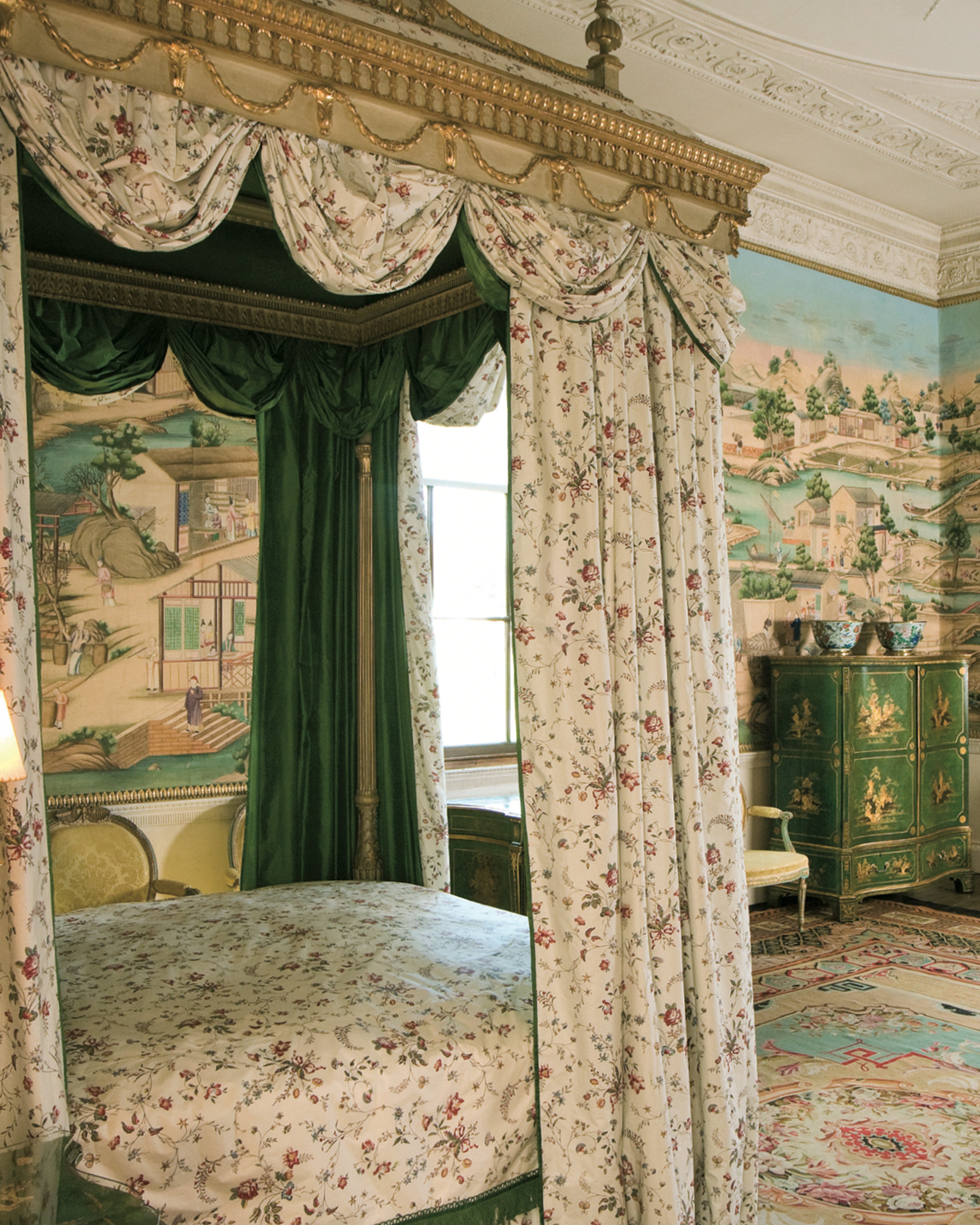
Chinese wallpaper has been an important element of western interior decoration for three hundred years. As trade between Europe and China flourished in the seventeenth century, Europeans developed a strong taste for Chinese art and design. The stunningly beautiful wall coverings now known as 'Chinese wallpaper' were developed by Chinese painting workshops in response to western demand. A sophisticated synthesis of eastern and western art, Chinese wallpapers were an early-modern global product and they are still popular and influential today.
In spite of their spectacular beauty, Chinese wallpapers have not been studied in any depth until relatively recently. This book provides an overview of some of the most significant Chinese wallpapers surviving in the British Isles. Sumptuously illustrated, it shows how these wallpapers became a staple ingredient of high-end interiors while always retaining a touch of the exotic.
The book charts the stylistic development of Chinese wallpaper, allowing individual wallpapers to be more securely dated. It also touches on the China trade, the crucial role of the paper-hangers and the social significance of Chinese-style decoration in Britain.
This is a ground-breaking resource for both scholars and designers, as well as for anyone interested in historic interior design.
Published by Bloomsbury Publishing

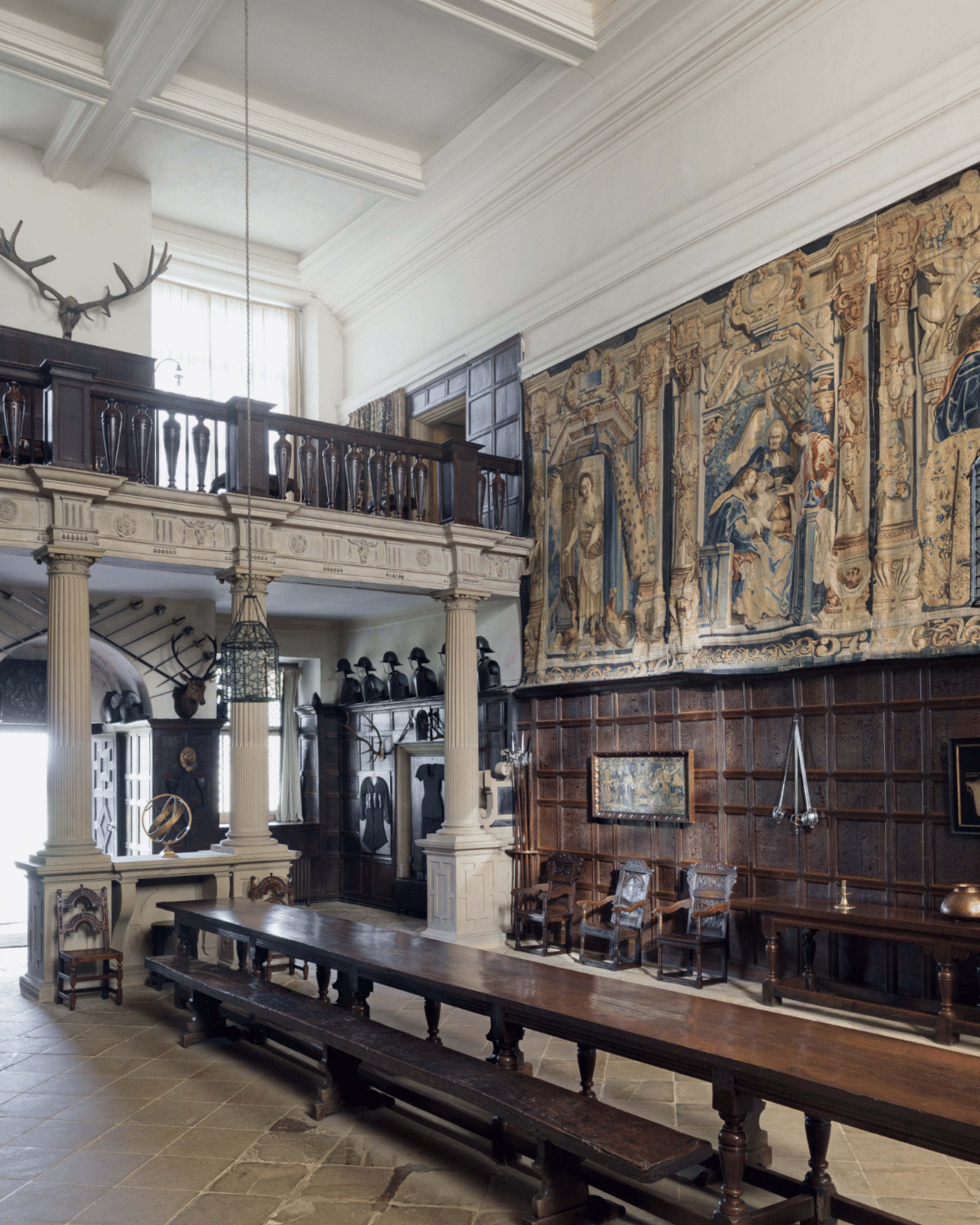
Words by Helen Wyld
Woven with dazzling images from history, mythology and the natural world, and breath-taking in their craftsmanship, tapestries were among the most valuable and high-status works of art available in Europe from the medieval period to the end of the eighteenth century. Over 600 historic examples hang in National Trust properties in England and Wales – the largest collection in the UK.
This beautifully illustrated study by tapestry expert Helen Wyld, in association with the National Trust, offers new insights into these works, from the complex themes embedded in their imagery, to long-forgotten practices of sacred significance and ritual use. The range of historical, mythological and pastoral themes that recur across the centuries is explored, while the importance of the 'revival' of tapestry from the late nineteenth century is considered in detail for the first time. Although focussed on the National Trust's collection, this book offers a fresh perspective on the history of tapestry across Europe.
Both the tapestry specialist and the keen art-history enthusiast can find a wealth of information here about woven wall hangings and furnishings, including methods of production, purchase and distribution, evolving techniques and technologies, the changing trends of subject matter across time, and how tapestries have been collected, used and displayed in British country houses across the centuries.
Published by Bloomsbury Publishing
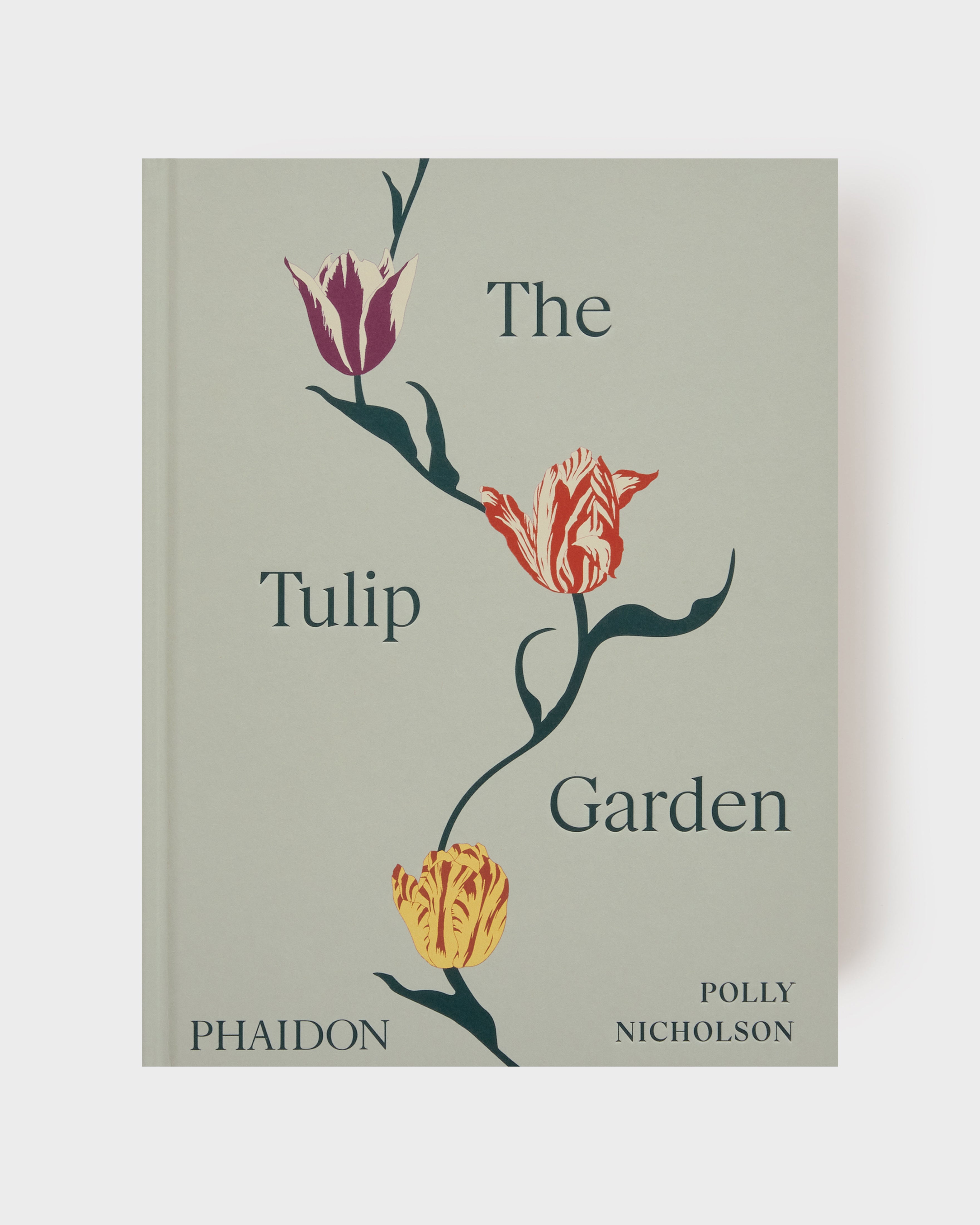
Words by Polly Nicholson
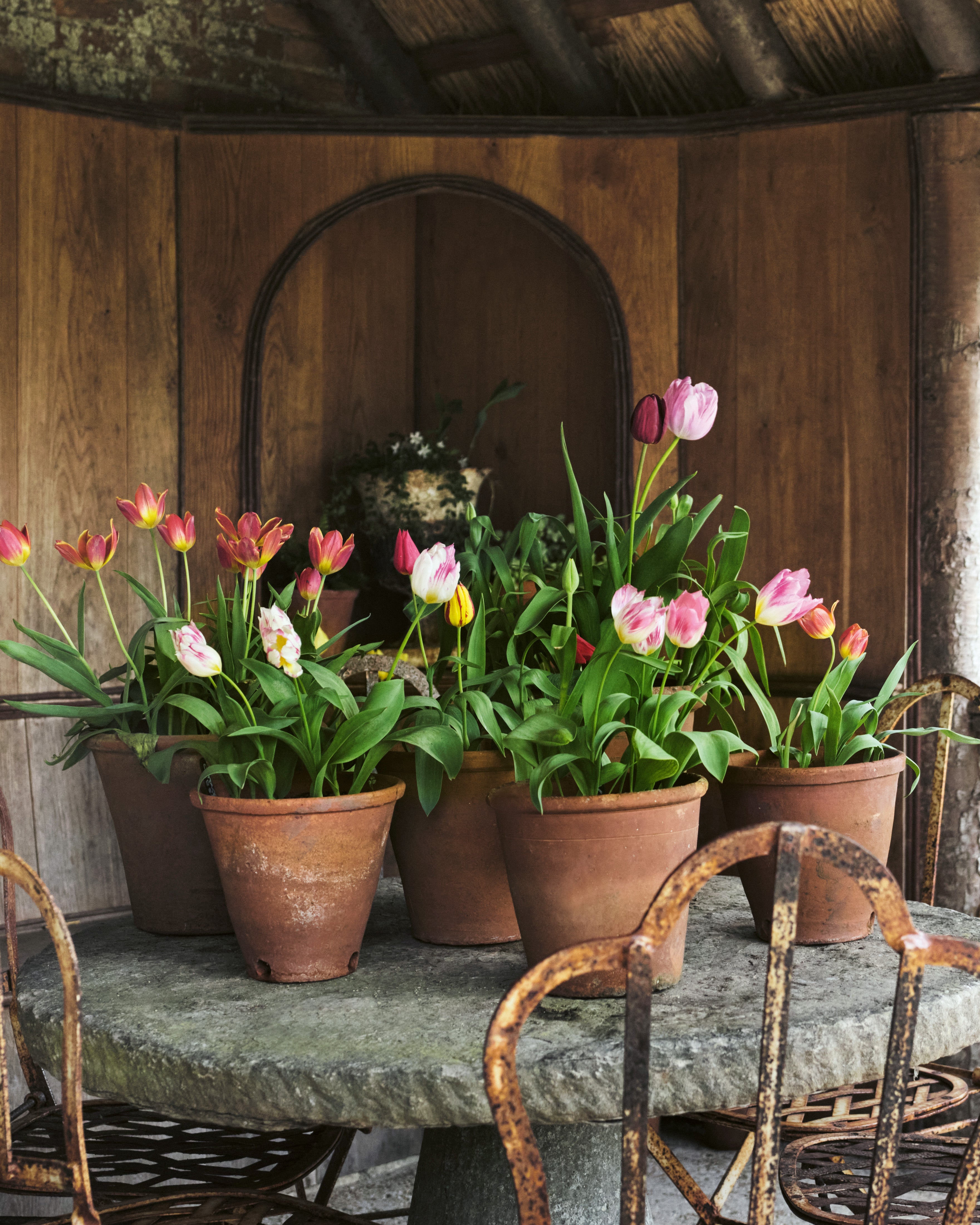
Tulips are one of the world’s most popular flowers, with over 2,500 varieties produced in the Netherlands each year. This spectacular book showcases a unique collection of rare and covetable tulips at Blacklands, the beautiful English country garden of tulip expert Polly Nicholson.
Combining the flower’s rich cultural history with growing advice, Nicholson provides a comprehensive introduction to cultivating species, historic Dutch and English Florists’ tulips, and annual garden tulips. Featuring all types of tulip – from wild, species tulips to old Dutch cultivars, as well as English Florists’, and the ever popular annual garden tulips – she also offers modern context and sensible and practical advice for gardeners, based on her personal horticultural experience.
Bringing to life varieties that date back to the 16th century, Nicholson demonstrates how these treasured bulbs and more modern varieties of these enchanting spring flowers can be grown today – whether in herbaceous borders, naturalized in grass, in containers, gravel, meadow settings, or in the garden for cutting.
The Tulip Garden is an essential reference for tulip lovers, florists, and gardeners, but also, with newly commissioned photography by Andrew Montgomery, an inspirational resource, tapping into the zeitgeist for sustainable flowers and organic gardening, focusing on one of the world’s most popular flowers.
Published by Phaidon Press
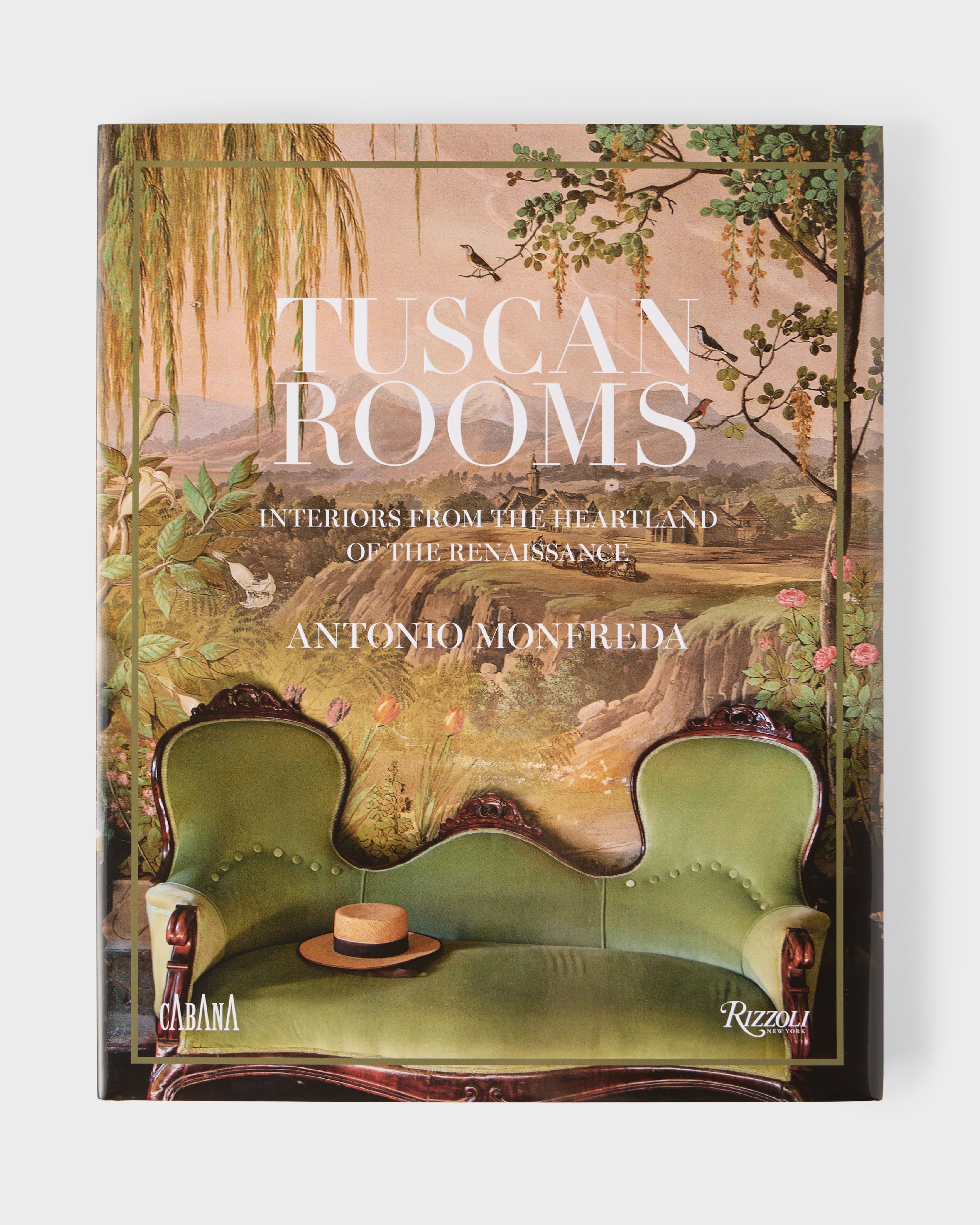
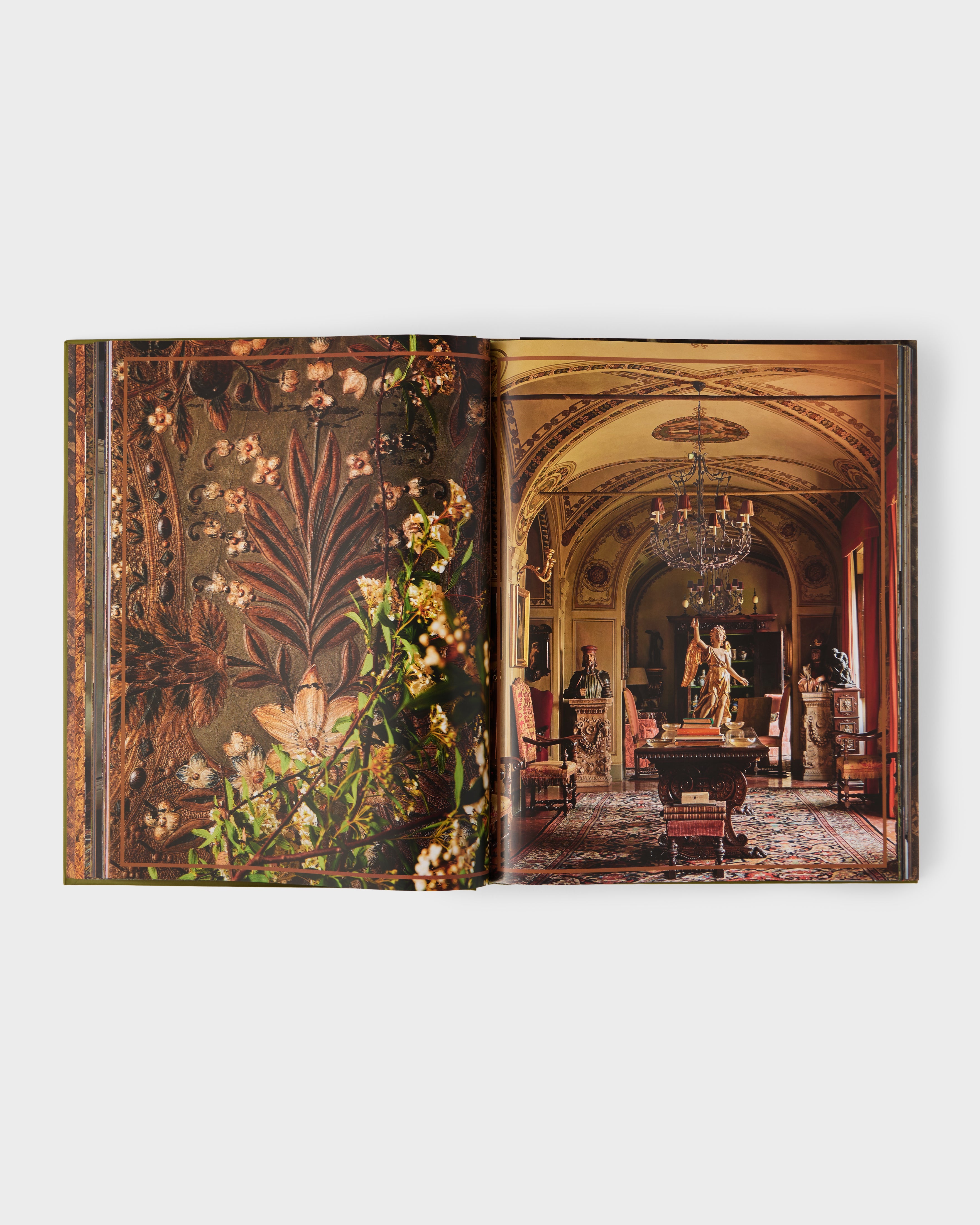
An exclusive look into Tuscan interiors that have the hallmarks of magazine’s coverage of remarkable, eclectic, and dramatic spaces.
Tuscany’s historical residences tell stories that no mere guidebook can capture. The houses that dot the landscape—from the stately Medici villas to the more humble yet charming farmhouses—are not just structures but also symbols of a way of life, a lasting testament to the fusion of an agrarian lifestyle, picturesque towns, notable architecture, fine craft, and art.
In the book’s foreword, Cabana founder Mondadori writes, “Tuscany is not merely a region; it is a living canvas, a dreamscape that has cradled the imagination of artists, poets, and thinkers for centuries.” The interiors presented in this book are a celebration of the talents of the diverse contemporary homeowners, who are keeping the region’s creative spirit alive. Houses brim with the output of skilled craftsmen, exquisite tapestries, brocades and damasks, objects arranged as if painterly still lifes, fantastical murals, rare books, furniture from a range of periods, and fine porcelain.
The houses, many published here for the first time, include a gentle hilltop in Maremma where late interior designer Manfredi della Gherardesca filled his family’s castle with superb collections of decorative and fine arts; a rustic coastal retreat where the boundaries between indoor and outdoor are blurred; the Pucci family palace, where a kaleidoscopic twentieth-century fashion phenomenon was born in a Renaissance setting; and a country hideaway where local decorative arts are astutely paired with more worldly objects, a colorful patchwork of Argentinian and Moroccan carpets and African figurines. Tuscany is the birthplace of Renaissance art and thought, a creative explosion that still resonates today. The interiors in this book are a testament to the ongoing legacy of creative rebirth in a most glorious setting.
Published by
Rizzoli
No account yet?
Create an Account