

Words by Wydanie: Angielski
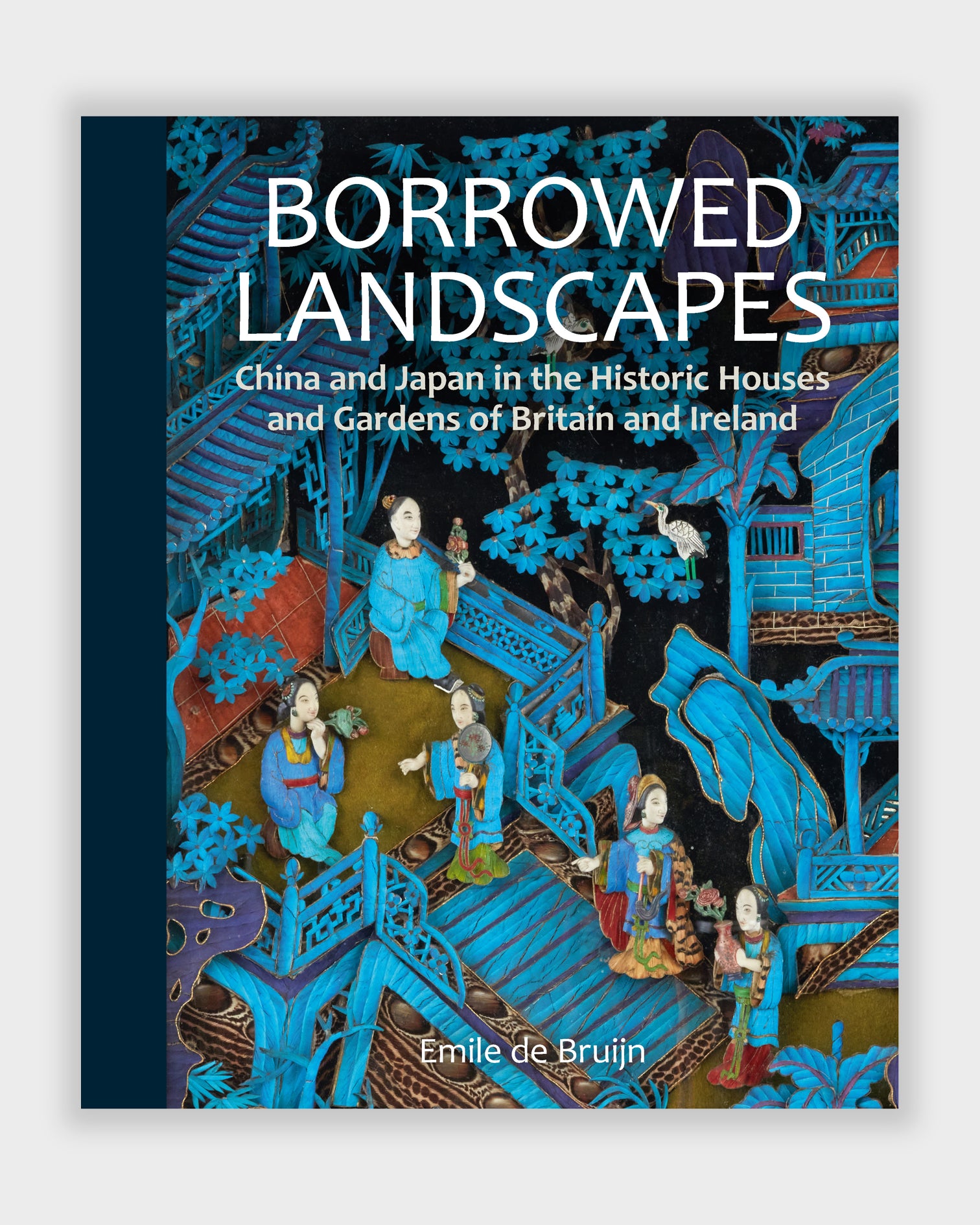
A beautifully illustrated exploration of the impact of Chinese and Japanese material culture on the historic houses and gardens of Britain and Ireland.
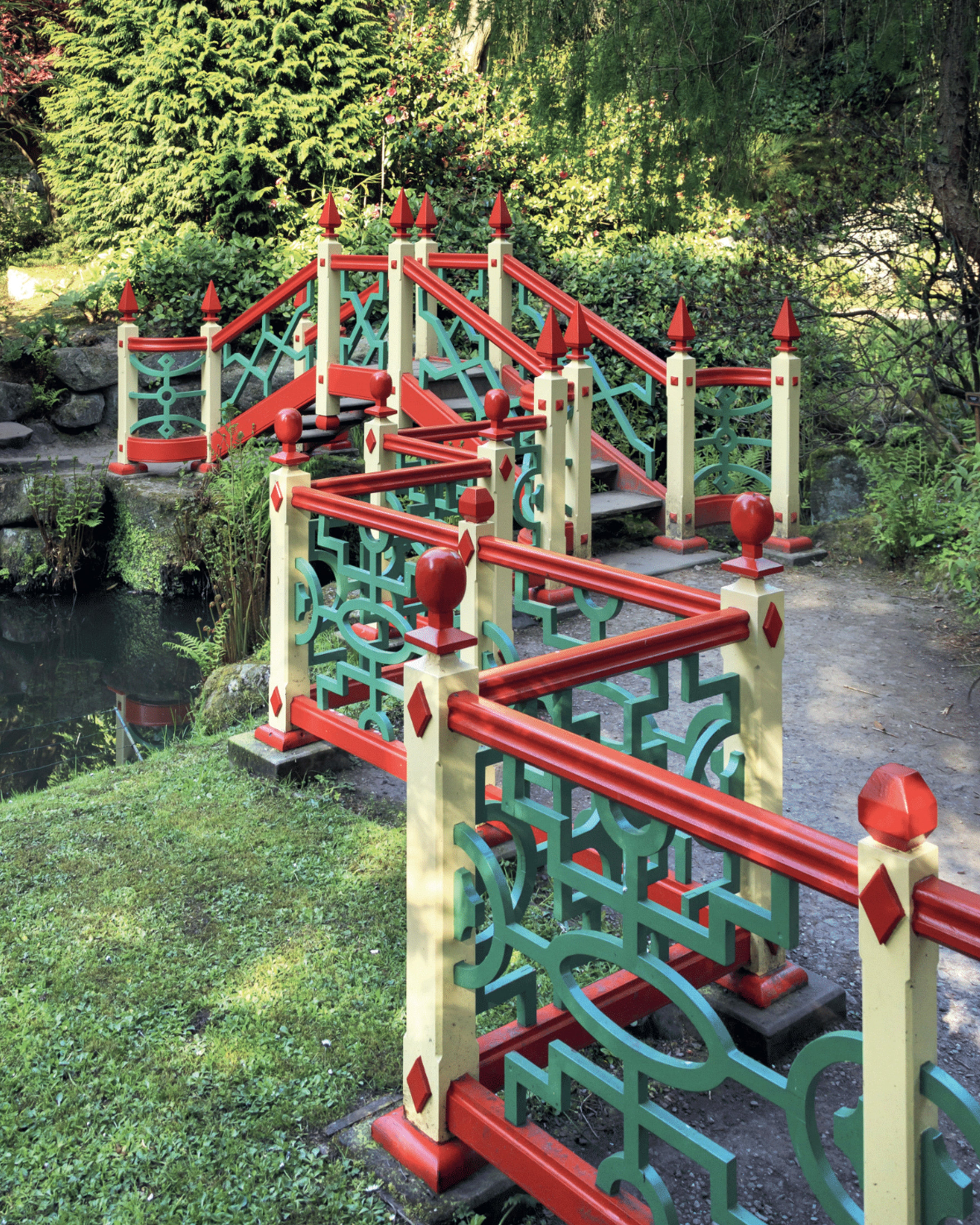
The art and ornament of China and Japan have had a deep impact in the British Isles. From the seventeenth century onwards, the design and decoration of interiors and gardens in Britain and Ireland was profoundly influenced by the importation of Chinese and Japanese luxury goods, while domestic designers and artisans created their own fanciful interpretations of 'oriental' art. Those hybrid styles and tastes have traditionally been known as chinoiserie and japonisme, but they can also be seen as elements of the wider and still very relevant phenomenon of orientalism, or the way the West sees the East.
Illustrated with a wealth of new photography and published in association with the National Trust, Borrowed Landscapes is an engaging survey of orientalism in the Trust's historic houses and gardens across England, Wales and Northern Ireland. Drawing on new research, Emile de Bruijn demonstrates how elements of Chinese and Japanese culture were simultaneously desired and misunderstood, dismembered and treasured, idealised and caricatured.
Published by Philip Wilson Publishers
Words by Helen Bynum
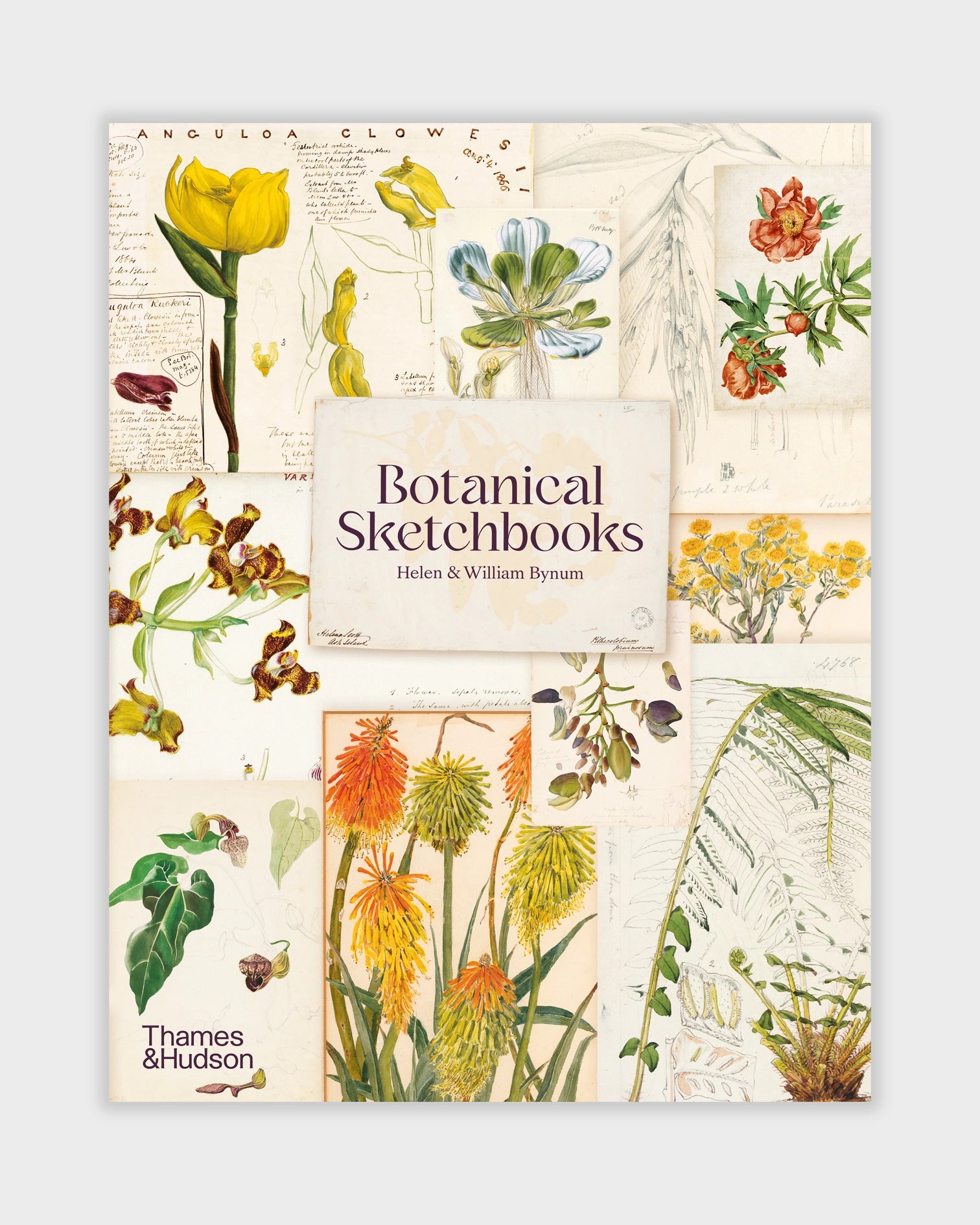
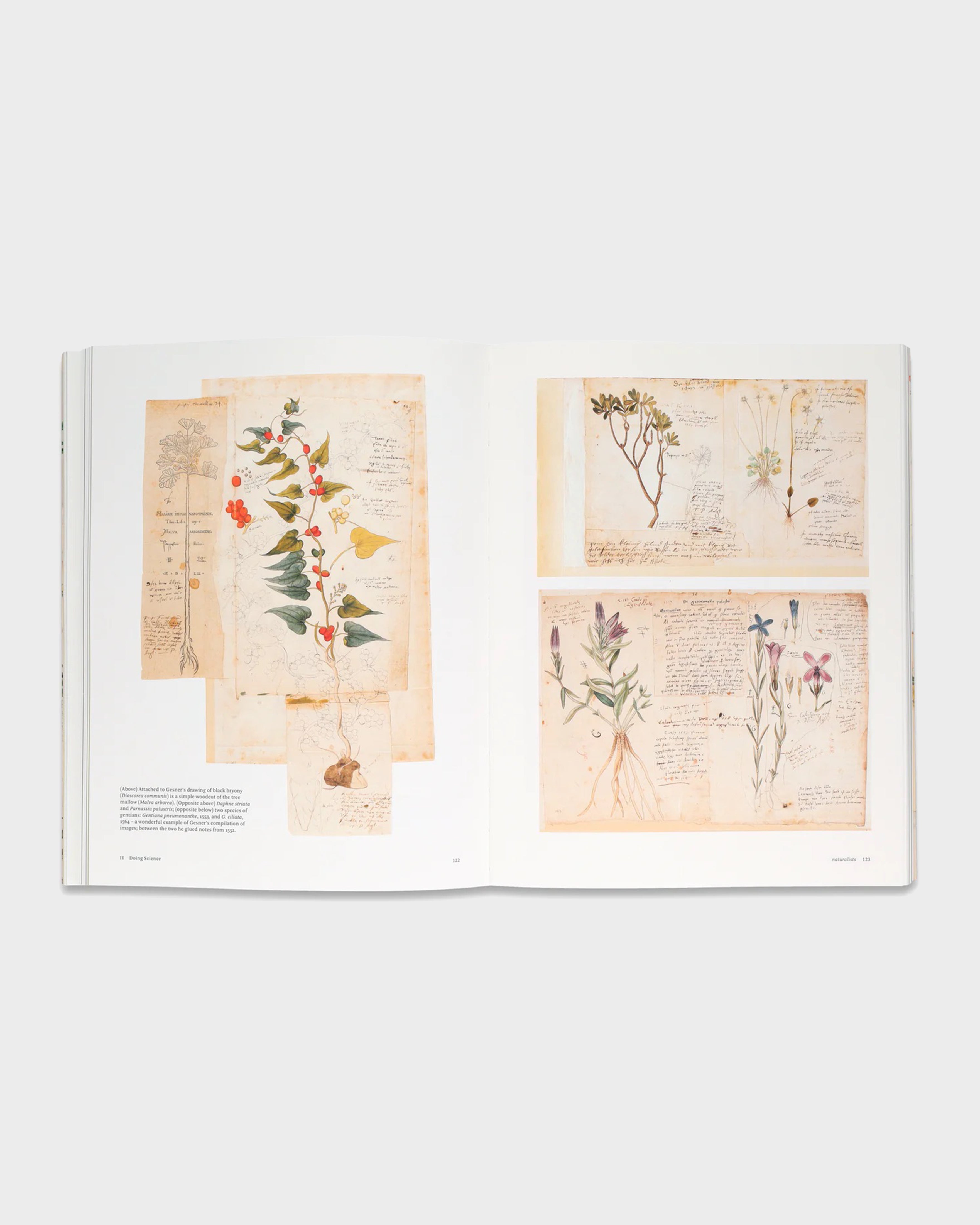
While highly finished drawings and paintings frequently feature in histories of botanical art, the preparatory sketches, first impressions and creative thoughts on paper behind them are rarely seen and have often remained hidden and locked away.
Botanical Sketchbooks brings these personal and vividly spontaneous records gloriously back into the light. In a series of biographical portraits organized thematically into four sections, the book illuminates a range of intriguing characters, from many different countries and cultures, including Germany, France, Italy, America, Australia, Japan and China. Sketchbooks proper are joined by notebooks, journals, albums, loose pieces of paper, works on vellum, manuscripts, letters, herbarium sheets and marginalia – even one drawing on the back of an envelope.
Turning the pages of this book will be an invitation to relive extraordinary experiences, imagine lost worlds, and be immersed in the endeavours, observations and motivations of the makers of such beautiful and enchanting art.
Published by Thames & Hudson Ltd
Words by John Martin Robinson
Photographs by Ashley Hicks
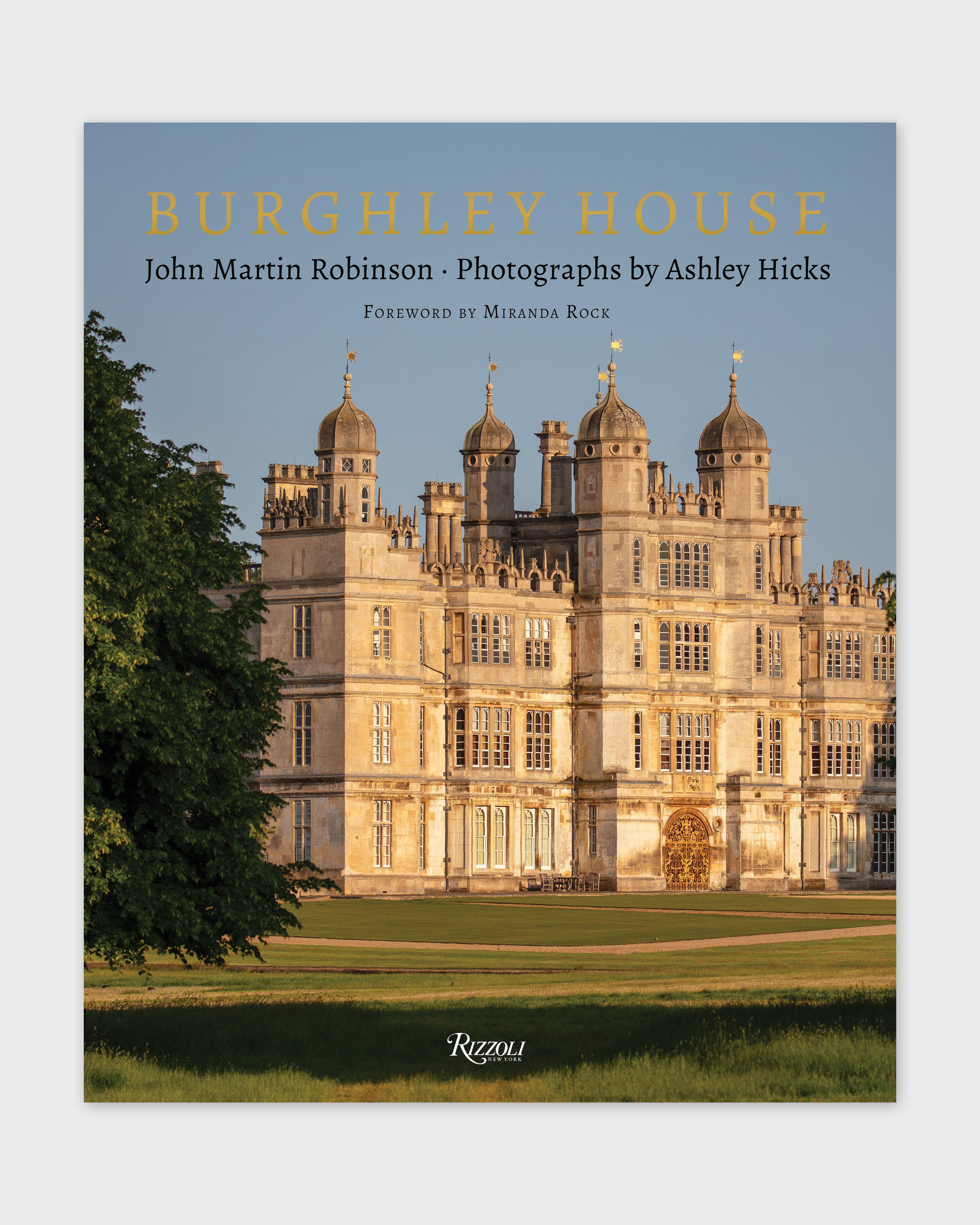
Conceived by William Cecil, Lord High Treasurer to Queen Elizabeth I, and built between 1555 and 1587, Burghley House is a testament to the ambition and vision of the most powerful courtier of the first Elizabethan age.
Designed by Cecil himself, in consultation with the Dutch Renaissance architect and painter Hans Vredeman de Vries, the architecture and interiors at Burghley reflect a mix of contemporary fashionable influences. The house’s facades are each markedly different, with a striking and ornate Gothic gatehouse beneath a roofline of cupolas and obelisks, and with French and Italian styles visible in the windows and pilasters. And inside, where the State Rooms house remarkable collections of furniture, textiles, and Old Master paintings acquired over the centuries, Cecil’s Gothic-style Old Kitchen remains alongside the magnificent Renaissance staircase and Italianate fireplace in the Great Hall.
From Burghley’s inception as Cecil’s “prodigy house” to its remarkable renovation and the development of its parklands by Capability Brown in the eighteenth century, to the estate’s preservation efforts today, this is a rare and detailed look inside one of the gems in the British landscape. With sumptuous photography made specially for the book and imagery drawn from Burghley’s private archives, this book is a privileged tour of Burghley House and its remarkable history.
Published by Rizzoli
Delivery in 2 weeks
Words by The Editors Of Gardens Illustrated
Introduction by Stephanie Mahon
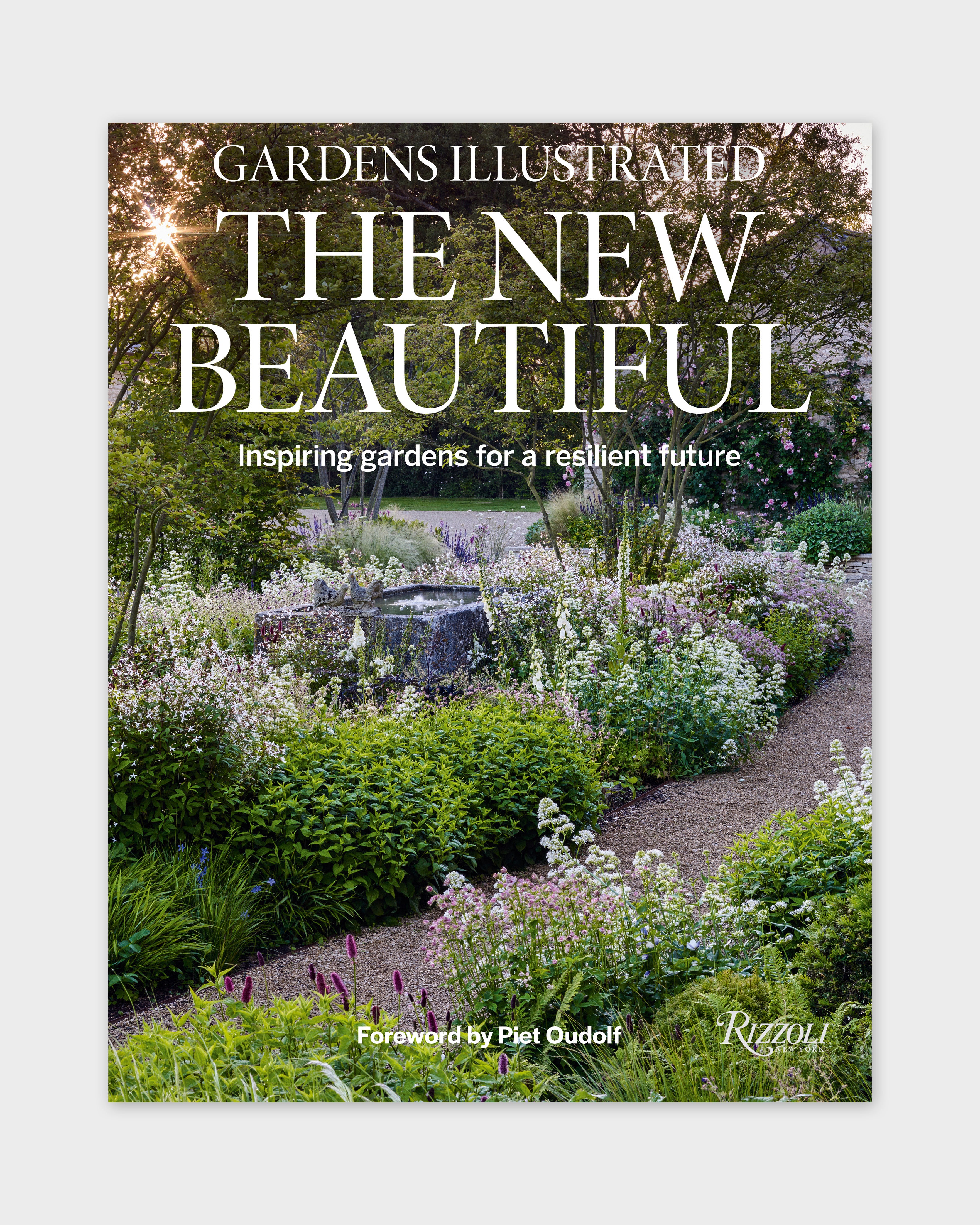
The first book from today’s leading garden magazine, renowned for its stylish features, outstanding photography, and top-notch garden writing full of insights and advice. The editors have selected over fifty of their favorite gardens in a mix of scales and in a variety of climates to appeal to garden enthusiasts everywhere.
Gardens Illustrated is today’s most popular gardening periodical, thanks to its lavishly photographed features on contemporary, forward-thinking gardens that focus on irresistible plants and clever designs. Through these gardens, each selected by the magazine’s editors for a truly exceptional trait, readers will visit the best new gardens from the United States, United Kingdom, and around the world. The scales range from small city spaces aiming to bring biodiversity deep into the built environment to country estates photographed with a new lens on ecology and sustainability, and were created by today’s top garden designers, including Andrea Cochran, Arabella Lennox-Boyd, Peter Korn, Dan Pearson, Andy Salter, Tom Stuart-Smith, Andy Sturgeon, Urquhart & Hunt, and Keith Wiley.
From loose, waving gardens that appear as unexpected mini meadows and support wildlife in small urban backyards to pleached hornbeams that act as a living fence to distinguish the borders of a lush patio from the landscape beyond and gardens that show the best new ideas for hardscape, pathways, fountains, and pergolas, readers will take away hundreds of ideas for incorporating successful plant combinations and other design elements into their own home gardens. Text by the best garden writers relays plenty of plant identification information, tips for successful growth, and most important, provides insight into how these top designers conceived of and implemented the ideas that make each and every featured garden a place full of memorable atmosphere, charm, and relaxation.
Published by Rizzoli
Delivery in 2 weeks
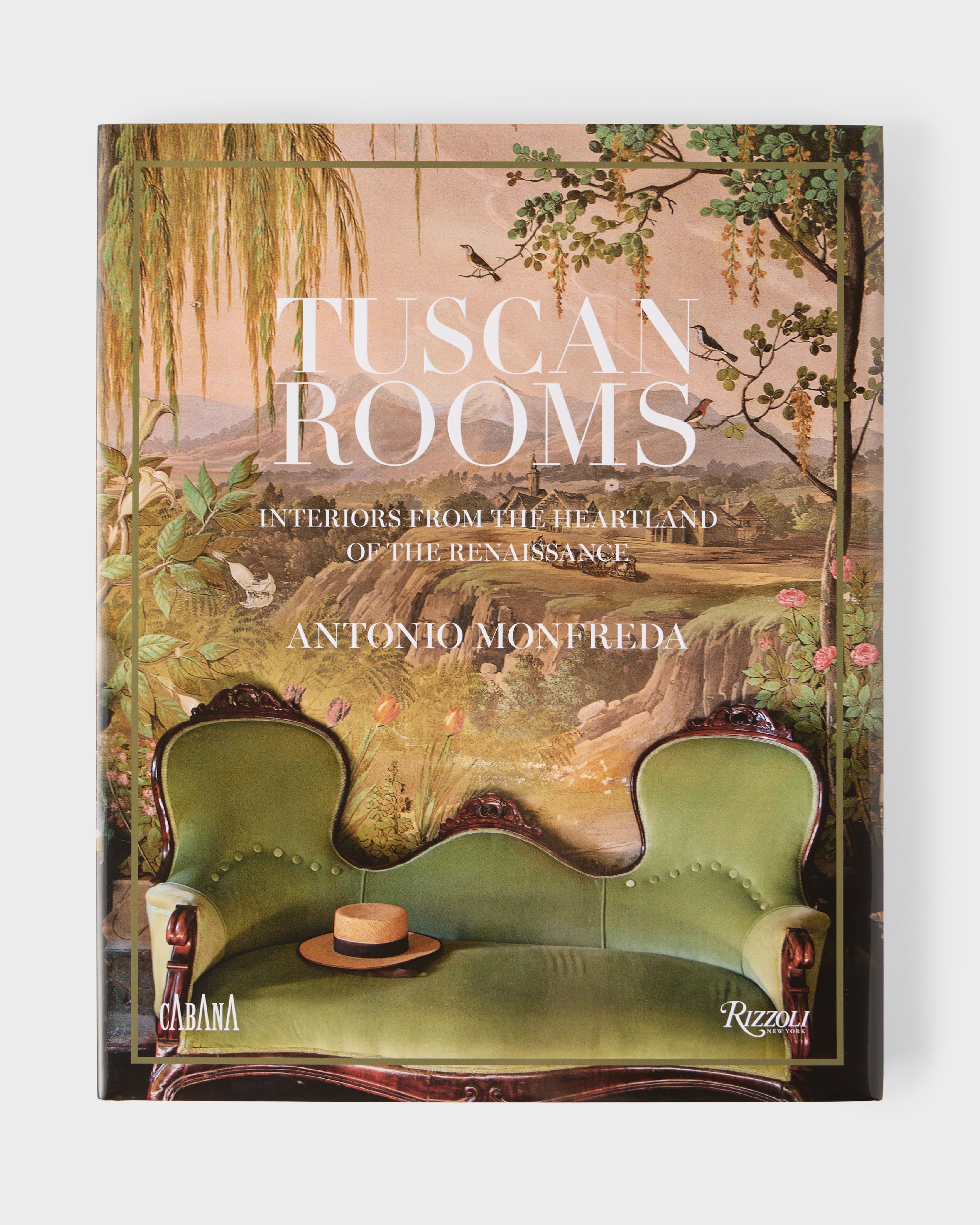
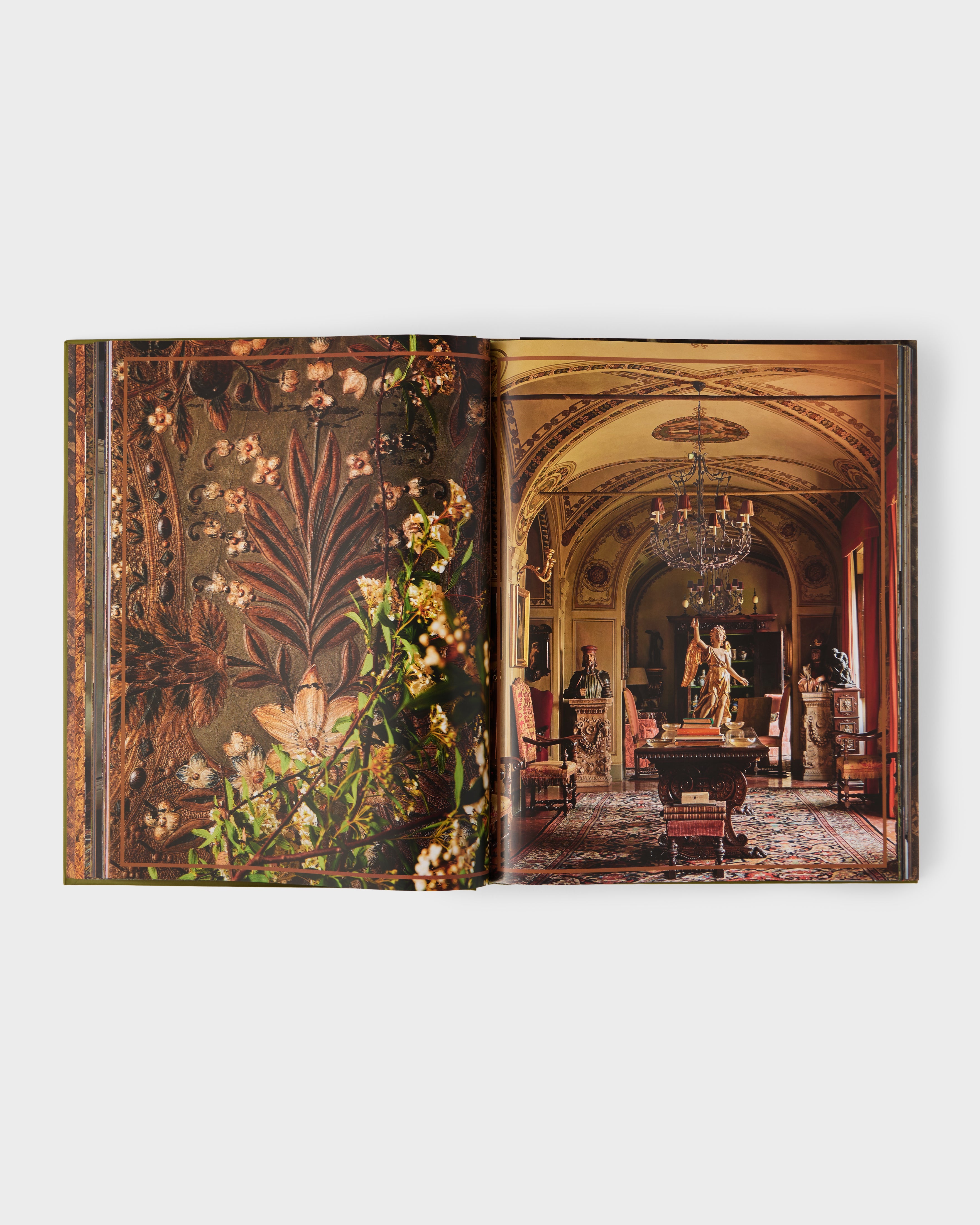
An exclusive look into Tuscan interiors that have the hallmarks of magazine’s coverage of remarkable, eclectic, and dramatic spaces.
Tuscany’s historical residences tell stories that no mere guidebook can capture. The houses that dot the landscape—from the stately Medici villas to the more humble yet charming farmhouses—are not just structures but also symbols of a way of life, a lasting testament to the fusion of an agrarian lifestyle, picturesque towns, notable architecture, fine craft, and art.
In the book’s foreword, Cabana founder Mondadori writes, “Tuscany is not merely a region; it is a living canvas, a dreamscape that has cradled the imagination of artists, poets, and thinkers for centuries.” The interiors presented in this book are a celebration of the talents of the diverse contemporary homeowners, who are keeping the region’s creative spirit alive. Houses brim with the output of skilled craftsmen, exquisite tapestries, brocades and damasks, objects arranged as if painterly still lifes, fantastical murals, rare books, furniture from a range of periods, and fine porcelain.
The houses, many published here for the first time, include a gentle hilltop in Maremma where late interior designer Manfredi della Gherardesca filled his family’s castle with superb collections of decorative and fine arts; a rustic coastal retreat where the boundaries between indoor and outdoor are blurred; the Pucci family palace, where a kaleidoscopic twentieth-century fashion phenomenon was born in a Renaissance setting; and a country hideaway where local decorative arts are astutely paired with more worldly objects, a colorful patchwork of Argentinian and Moroccan carpets and African figurines. Tuscany is the birthplace of Renaissance art and thought, a creative explosion that still resonates today. The interiors in this book are a testament to the ongoing legacy of creative rebirth in a most glorious setting.
Published by
Rizzoli
No account yet?
Create an Account