
Words by Wydanie: Angielski
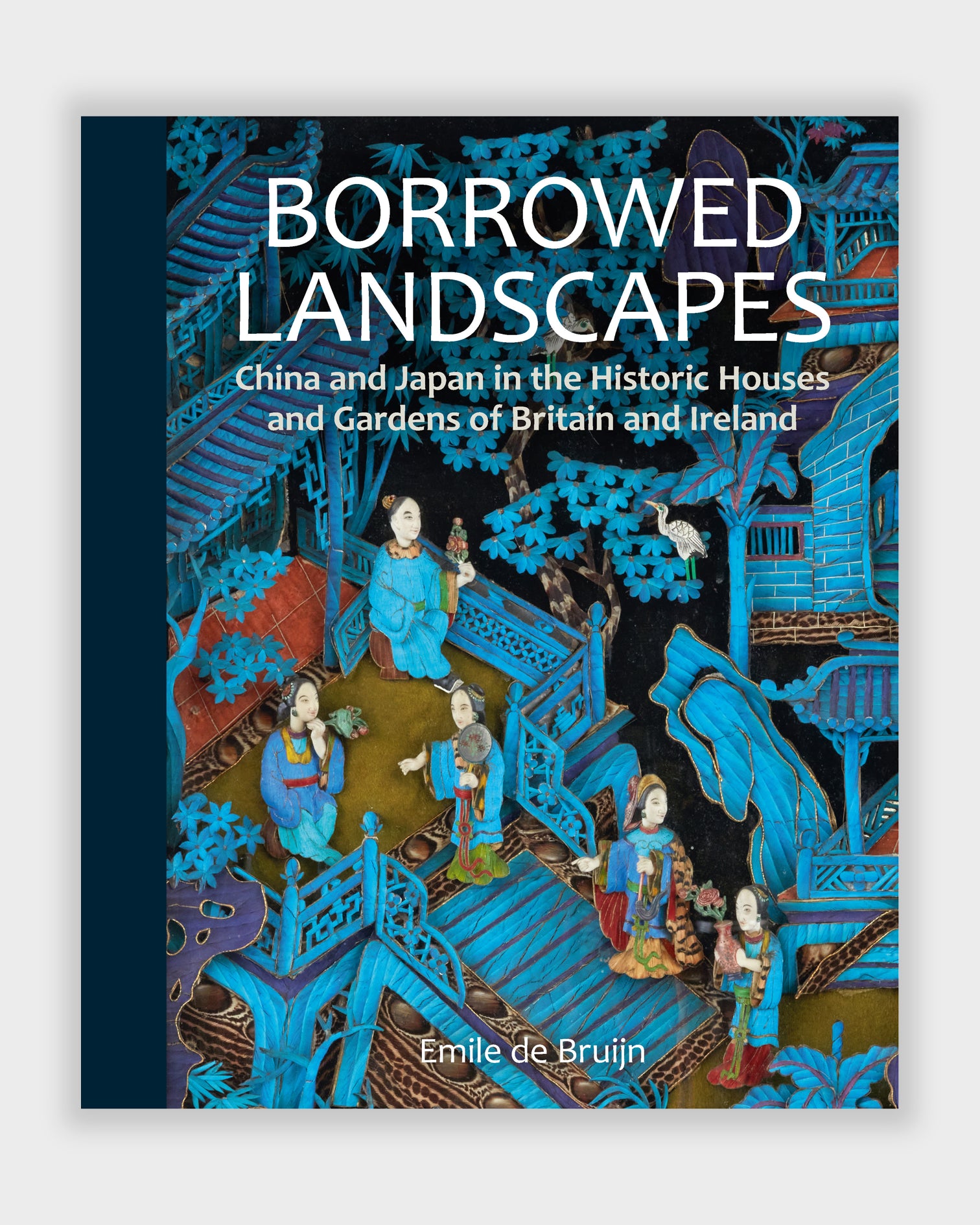
A beautifully illustrated exploration of the impact of Chinese and Japanese material culture on the historic houses and gardens of Britain and Ireland.
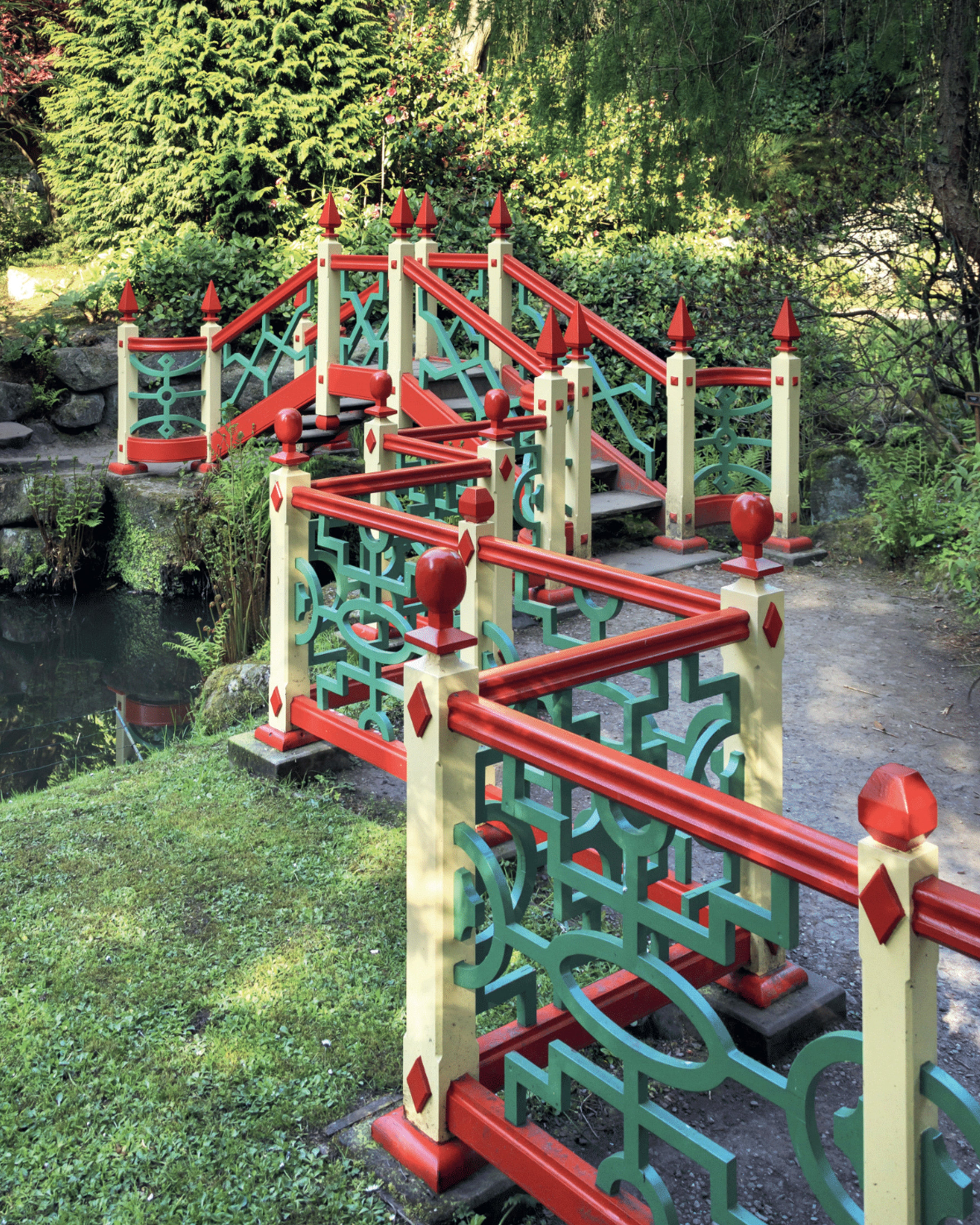
The art and ornament of China and Japan have had a deep impact in the British Isles. From the seventeenth century onwards, the design and decoration of interiors and gardens in Britain and Ireland was profoundly influenced by the importation of Chinese and Japanese luxury goods, while domestic designers and artisans created their own fanciful interpretations of 'oriental' art. Those hybrid styles and tastes have traditionally been known as chinoiserie and japonisme, but they can also be seen as elements of the wider and still very relevant phenomenon of orientalism, or the way the West sees the East.
Illustrated with a wealth of new photography and published in association with the National Trust, Borrowed Landscapes is an engaging survey of orientalism in the Trust's historic houses and gardens across England, Wales and Northern Ireland. Drawing on new research, Emile de Bruijn demonstrates how elements of Chinese and Japanese culture were simultaneously desired and misunderstood, dismembered and treasured, idealised and caricatured.
Published by Philip Wilson Publishers
Words by Livia Frescobaldi
Photographs by Alessandro Moggi, Eugenia Maffei
The home “is the place of return,” it is where “memory is”. I agree fully with Emanuele Coccia in his consideration that the setting of our private lives, the one that is most intimate and most familiar to us, is an expression of culture like a work of art or a monument of which we study the origins, the provenance and the material, craving to know and understand everything. -Livia Frescobaldi
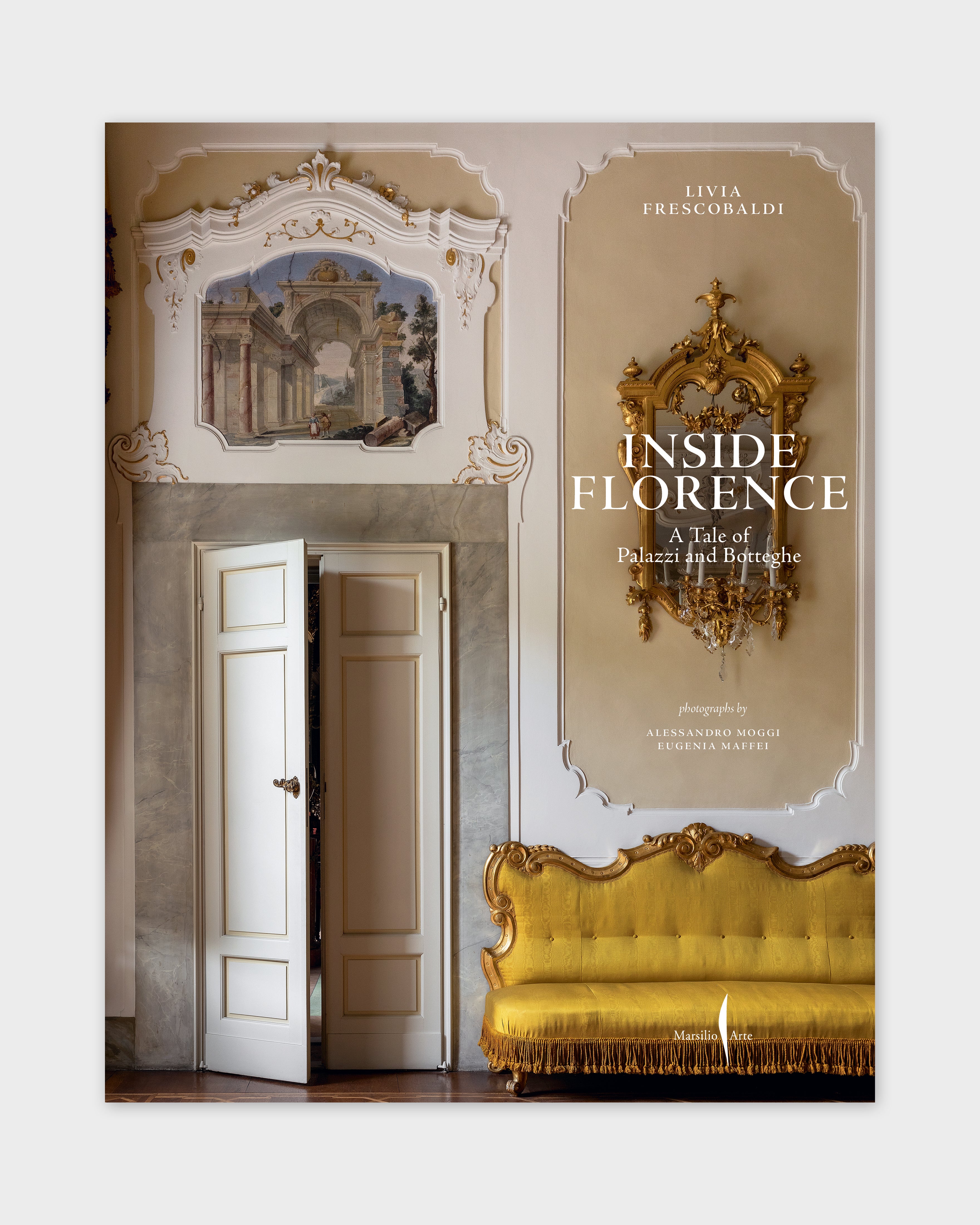
Inside Florence, published by Marsilio Arte, offers an original account of Florence stemming from a love for the preservation of its places and the desire to offer an intimate and fresh look at the beauty and age-old skills of the city’s artisan workshops, which make the Tuscan capital one of the most admired cities in the world.
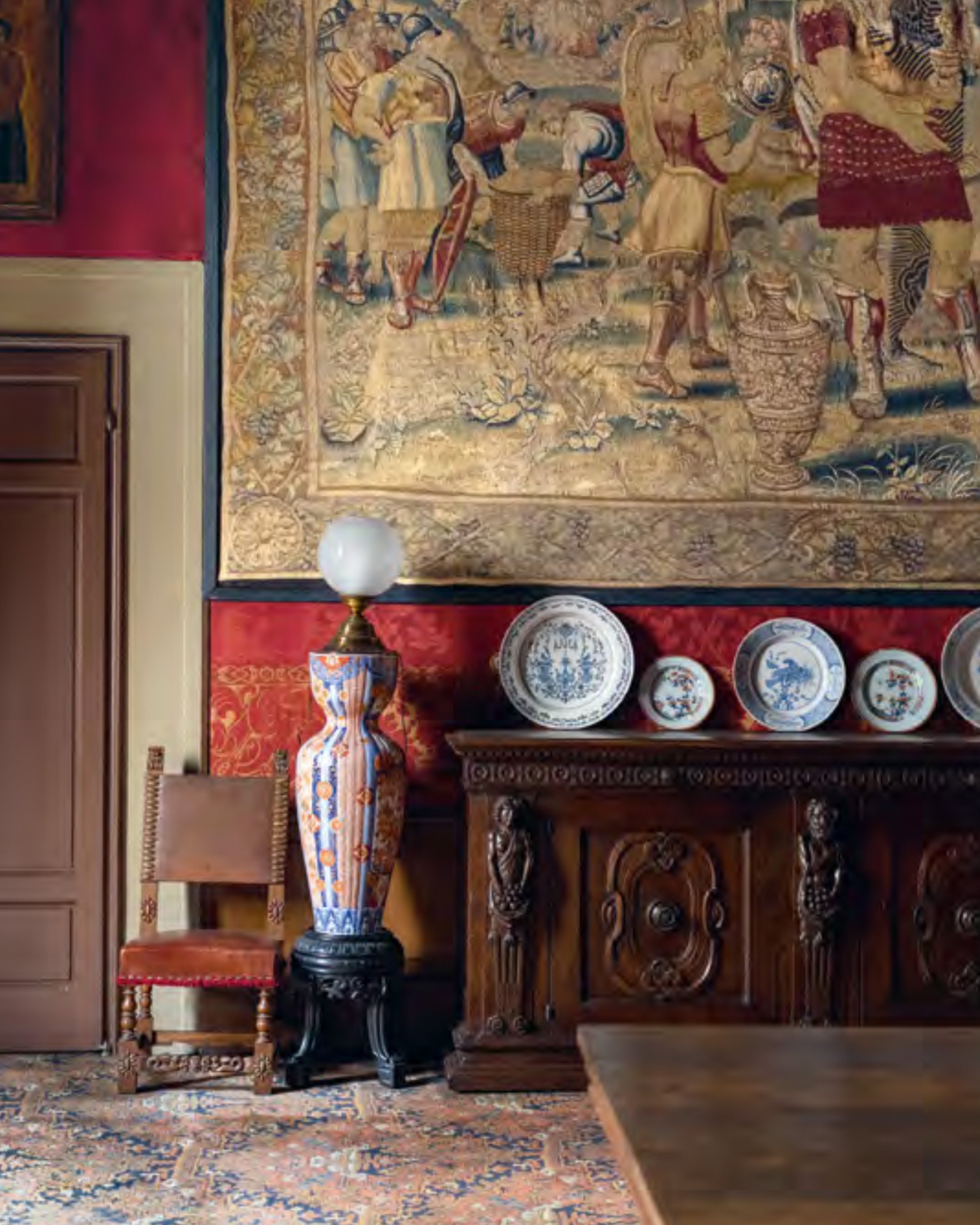
The splendid views, the meticulous details of the furnishings, the framing of the images, the care and attention in narrating and describing the opulence and refinement of the Florentine residences, are just some of the elements that author Livia Frescobaldi has selected to trace out an itinerary revealing her favourite places.
Through the photography of Alessandro Moggi and Eugenia Maffei, the book appears almost like a fresco with infinite scenarios, the protagonists of which are the heirs of a thousand-year-old history, in a difficult balance between modernity and tradition. There are sixteen sections for sixteen residences – ranging from palaces and gardens to former monasteries – each linked to a specific form of craftsmanship: the first pairing described is that between Palazzo Frescobaldi and the Antico Setificio Fiorentino, with a union rendered indissoluble by the customised Frescobaldi fabric, which has been in production since time immemorial. Inside Florence does not merely hold up a mirror to Florence’s architectural and artistic wealth, but is also an act of love towards those professional artisans who, as Leonardo Ferragamo states in his introductory text, ‘continue to create the history of the future with their ingenious, persevering and dedicated passion’.
Enriched and enhanced by the introductions of Eugenio Giani, President of the Region of Tuscany, and Bernabò Bocca, President of the Fondazione CR Firenze, the books stresses the uniqueness and historic nature of the city of Florence, that jealously guards its art professions and artisan workshops, its well-known palaces and more hidden ones, its gardens and spaces dedicated to contemporary times. The itinerary proposed in its pages has been planned for those who want to live Florence, rather than just visit it.
Published by Marsilio Arte
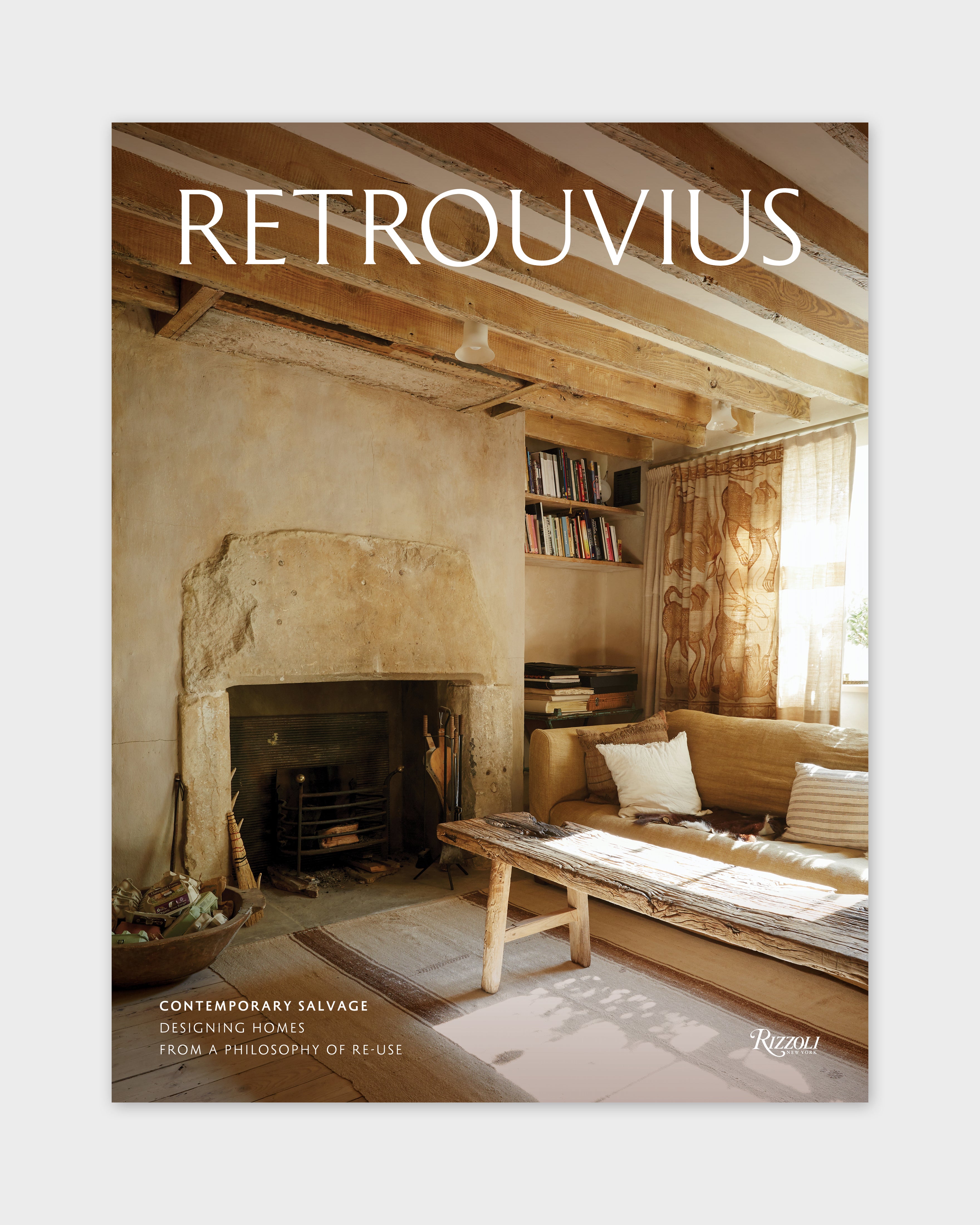
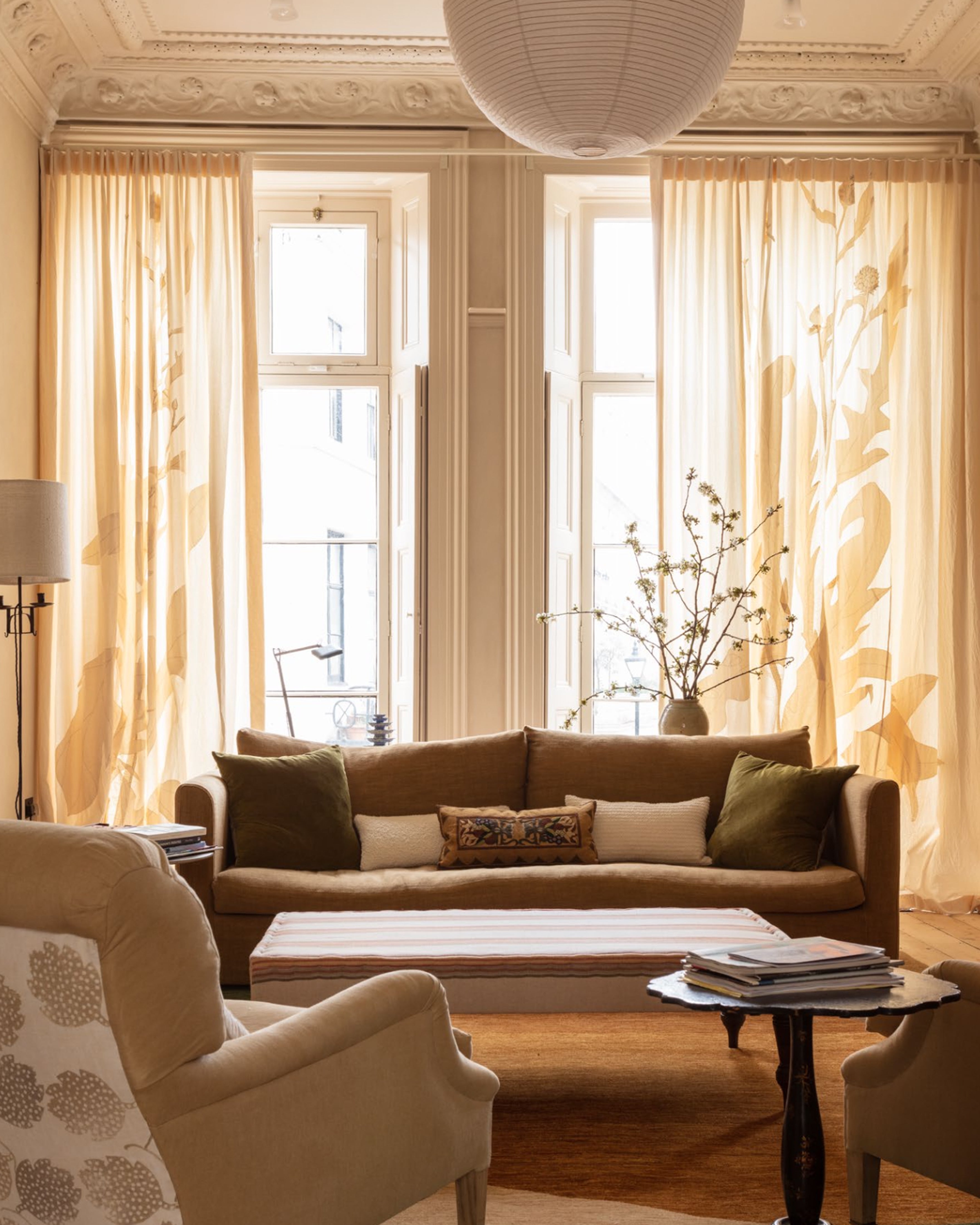
Words by Maria Speake
London-based design studio Retrouvius has carved a unique and important niche in the interior design and architecture spheres by blending architectural salvage with innovative design. Every project is a reinvention of the past and a promise made to our shared future.
In a world increasingly defined by the fleeting and the disposable, Retrouvius stands as a beacon of sustainability, creativity, and enduring beauty in interior design. Each space transformed by the studio is imbued with a history and a character uniquely its own, and a deep respect and sensitivity for original, historic designs and materials.
As interior designers and architects increasingly adopt sustainable practices to reduce their environmental footprint, Retrouvius has been discovering new life in the old and patinaed, new purpose in the centuries overlooked. Its work is a testament to the belief that sustainability can be synonymous with sophistication, and that the past can beautifully and intelligently inform the present.
This important volume is an invitation to explore the world of Retrouvius through the design studio’s most significant projects. Through stunning photography and insightful texts, this book journeys into the heart of spaces that are as functional as they are artful, as timeless as they are tailored to contemporary living.
Published by Rizzoli
Delivery in 2 weeks

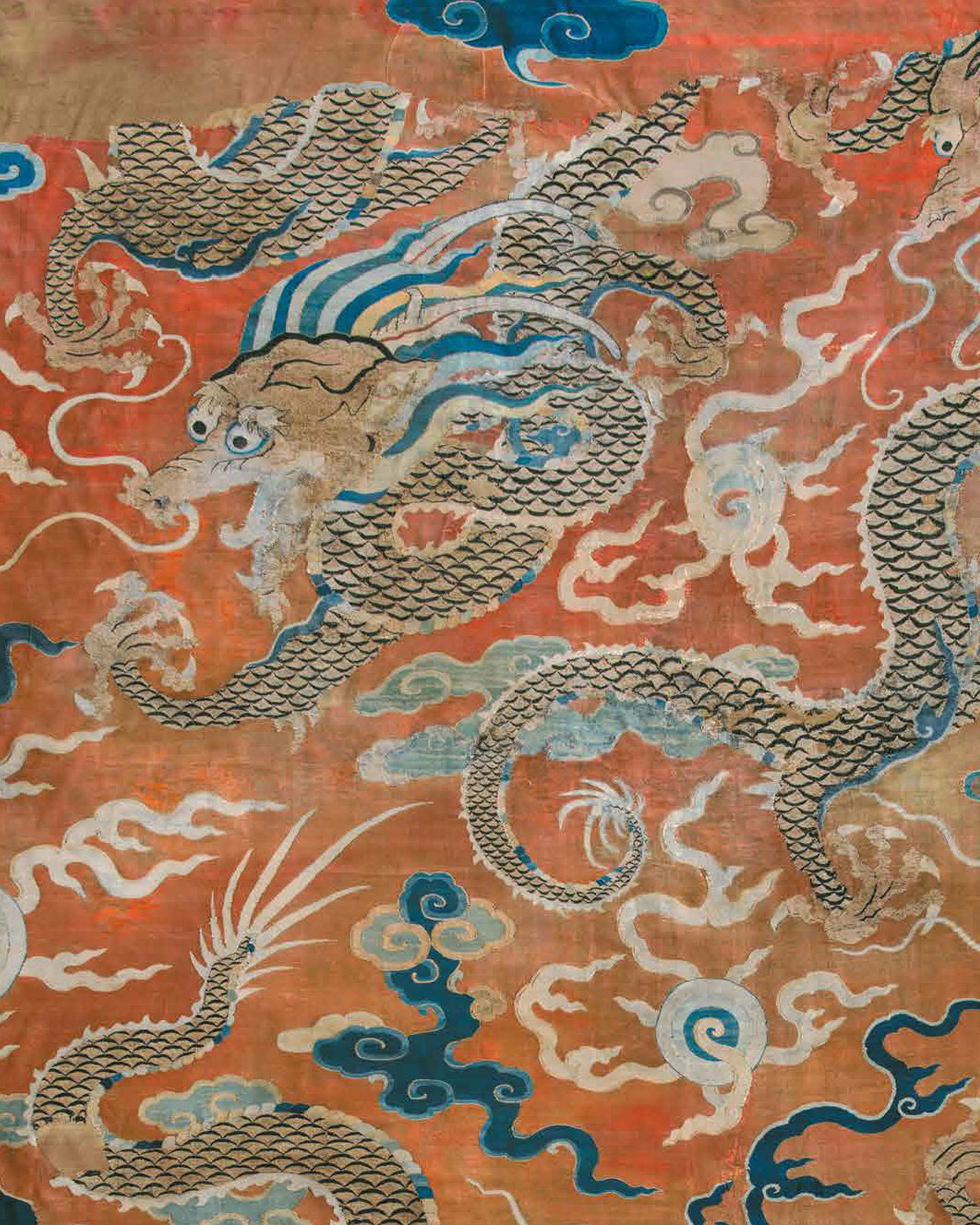
Words by Mariachiara Gasparini, Jacqueline Simcox, Eiren Shea
A captivating journey through the rich tapestry of Asian history, this beautiful and informative book delves into the opulent world of historic textiles. Covering a period when decorative textiles were the ultimate luxury, it showcases the craftsmanship, cultural significance, and artistic expressions woven into each cloth.
It provides a comprehensive overview of the Silk Road and the exchange of ideas, goods, and techniques that fueled the flourishing textile industry across Asia over centuries, from the Byzantine Empire to the Tang and Song dynasties and beyond.
A series of engaging essays highlights the significant features of The Silk Road Textile Collection, exploring the samites of Central Asia with their luxurious silk and intricately woven animal and geometric patterns; studying the exquisite embroideries of the Liao dynasty up close; and examining the imperial textiles of the Ming and Qing dynasties, when power and prestige were expressed through sumptuous court costume.
Perfect for art lovers, historians, and all those captivated by the beauty of textiles, this impeccably packaged volume unravels the fascinating stories embedded in the fabric of ancient Asia.
Published by Prestel
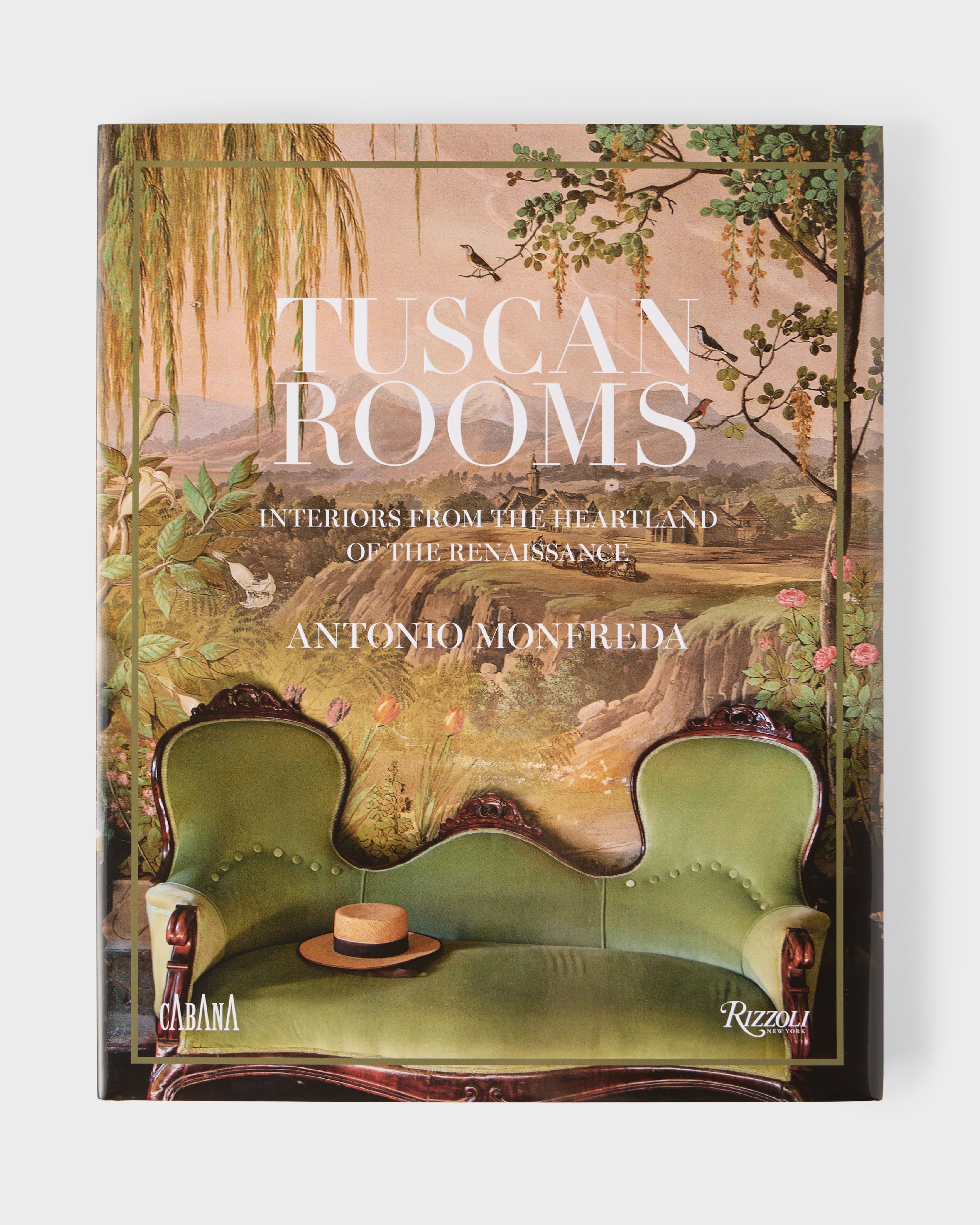
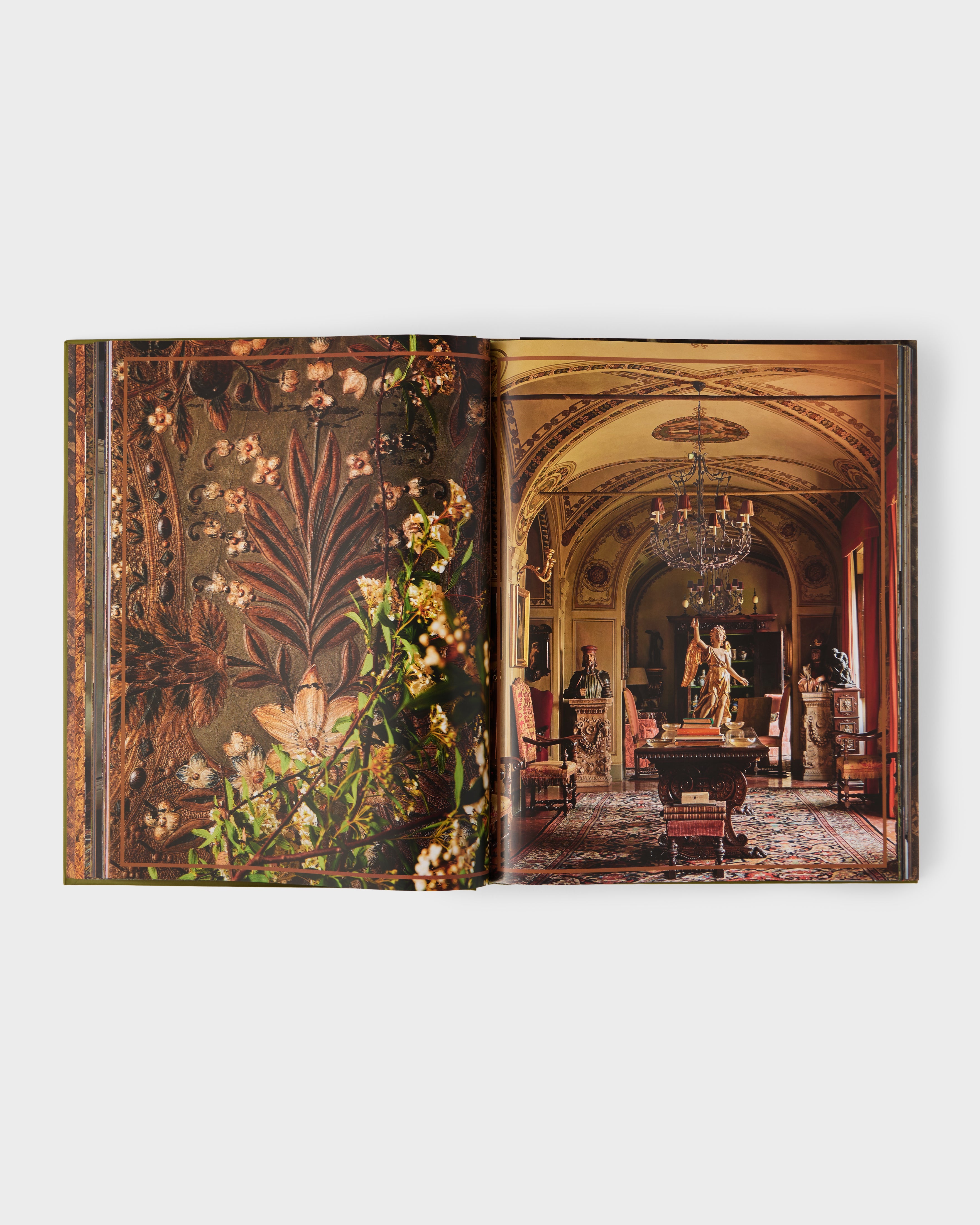
An exclusive look into Tuscan interiors that have the hallmarks of magazine’s coverage of remarkable, eclectic, and dramatic spaces.
Tuscany’s historical residences tell stories that no mere guidebook can capture. The houses that dot the landscape—from the stately Medici villas to the more humble yet charming farmhouses—are not just structures but also symbols of a way of life, a lasting testament to the fusion of an agrarian lifestyle, picturesque towns, notable architecture, fine craft, and art.
In the book’s foreword, Cabana founder Mondadori writes, “Tuscany is not merely a region; it is a living canvas, a dreamscape that has cradled the imagination of artists, poets, and thinkers for centuries.” The interiors presented in this book are a celebration of the talents of the diverse contemporary homeowners, who are keeping the region’s creative spirit alive. Houses brim with the output of skilled craftsmen, exquisite tapestries, brocades and damasks, objects arranged as if painterly still lifes, fantastical murals, rare books, furniture from a range of periods, and fine porcelain.
The houses, many published here for the first time, include a gentle hilltop in Maremma where late interior designer Manfredi della Gherardesca filled his family’s castle with superb collections of decorative and fine arts; a rustic coastal retreat where the boundaries between indoor and outdoor are blurred; the Pucci family palace, where a kaleidoscopic twentieth-century fashion phenomenon was born in a Renaissance setting; and a country hideaway where local decorative arts are astutely paired with more worldly objects, a colorful patchwork of Argentinian and Moroccan carpets and African figurines. Tuscany is the birthplace of Renaissance art and thought, a creative explosion that still resonates today. The interiors in this book are a testament to the ongoing legacy of creative rebirth in a most glorious setting.
Published by
Rizzoli
No account yet?
Create an Account