



Words by Elena Tsareva
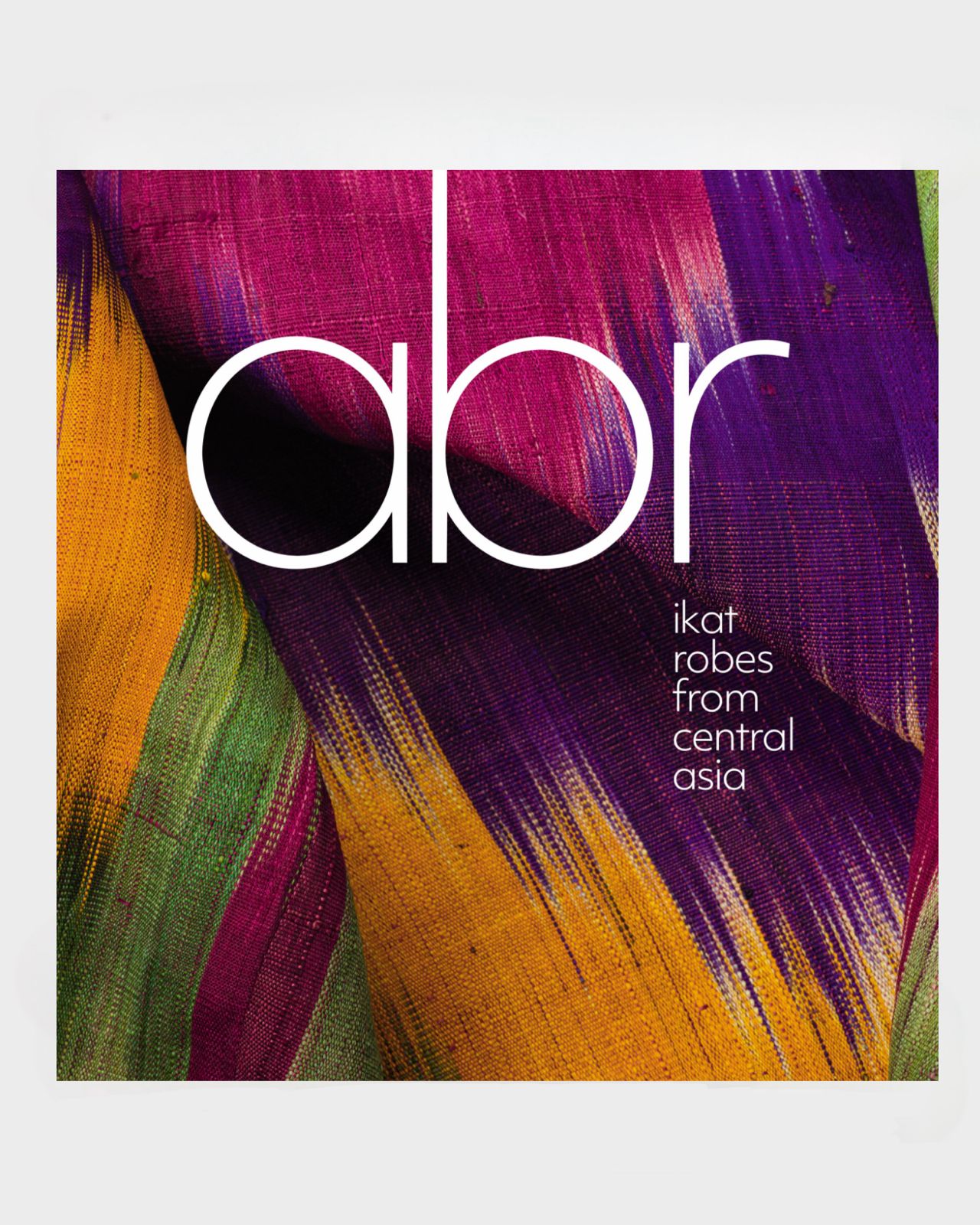
Ikat textiles, known as abr in their lands of origin in Central Asia, are beloved by collectors, decorators and textile devotees across the world. This book presents a new approach to the intricately patterned silk textiles by focusing on complete robes from a major private collection. These items of clothing tell stories about their wearers: their home, identity and place in society. By studying the history, making, and changing fashions of ikat robes, the past is brought to life. It quickly becomes clear that the power and influence of Central Asian costume reached far beyond the borders of modern Uzbekistan, inspiring imitations and providing visual stimuli for avant-garde artists.
With stunning photography and previously unpublished research findings, this publication is a new take on ikat costume for those interested in the history of textiles and fashion, but also for those wishing to admire the sheer beauty and exquisite craftsmanship of these remarkable textiles.
Published by Hali Publications Ltd
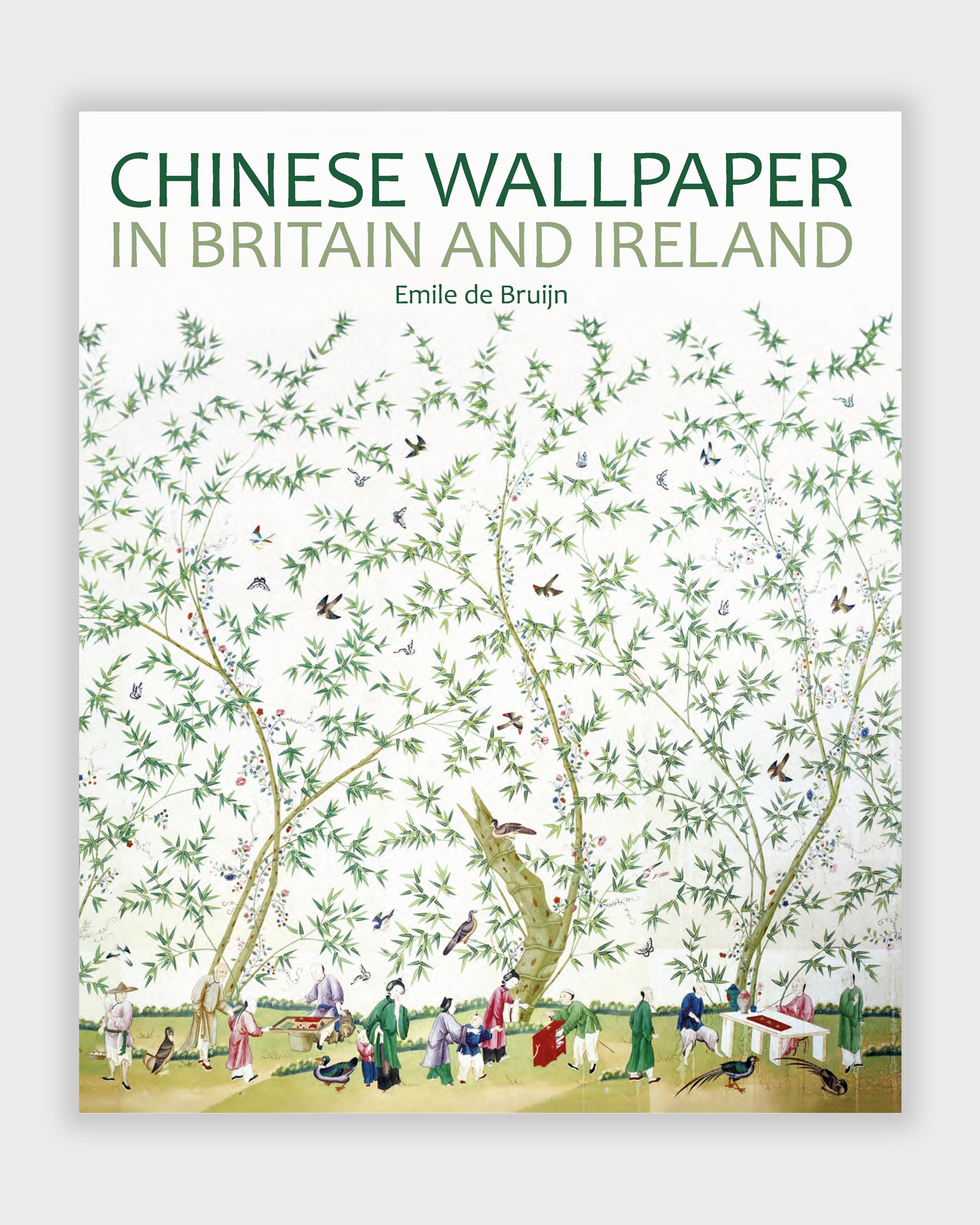
Words by Emile de Bruijn
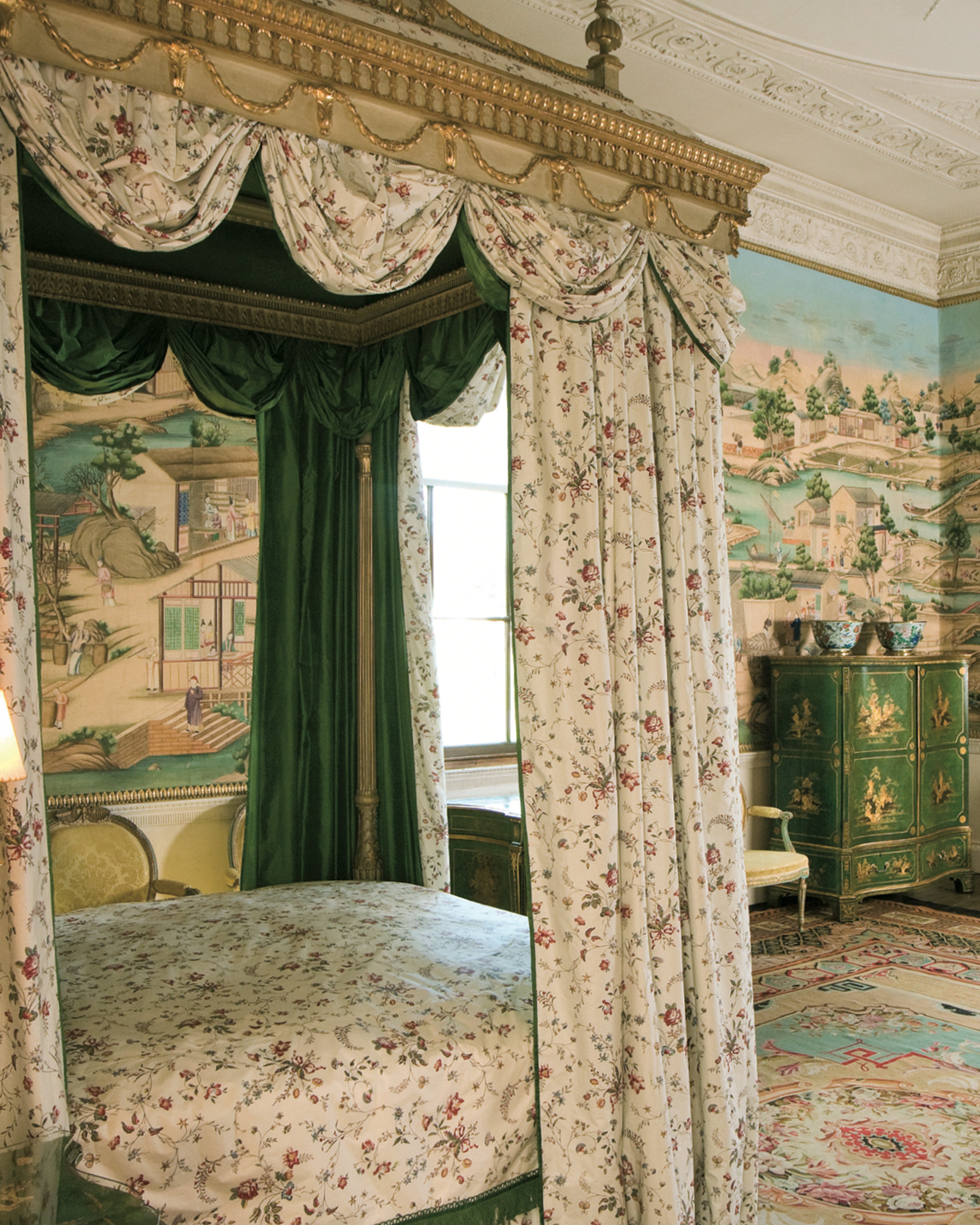
Chinese wallpaper has been an important element of western interior decoration for three hundred years. As trade between Europe and China flourished in the seventeenth century, Europeans developed a strong taste for Chinese art and design. The stunningly beautiful wall coverings now known as 'Chinese wallpaper' were developed by Chinese painting workshops in response to western demand. A sophisticated synthesis of eastern and western art, Chinese wallpapers were an early-modern global product and they are still popular and influential today.
In spite of their spectacular beauty, Chinese wallpapers have not been studied in any depth until relatively recently. This book provides an overview of some of the most significant Chinese wallpapers surviving in the British Isles. Sumptuously illustrated, it shows how these wallpapers became a staple ingredient of high-end interiors while always retaining a touch of the exotic.
The book charts the stylistic development of Chinese wallpaper, allowing individual wallpapers to be more securely dated. It also touches on the China trade, the crucial role of the paper-hangers and the social significance of Chinese-style decoration in Britain.
This is a ground-breaking resource for both scholars and designers, as well as for anyone interested in historic interior design.
Published by Bloomsbury Publishing
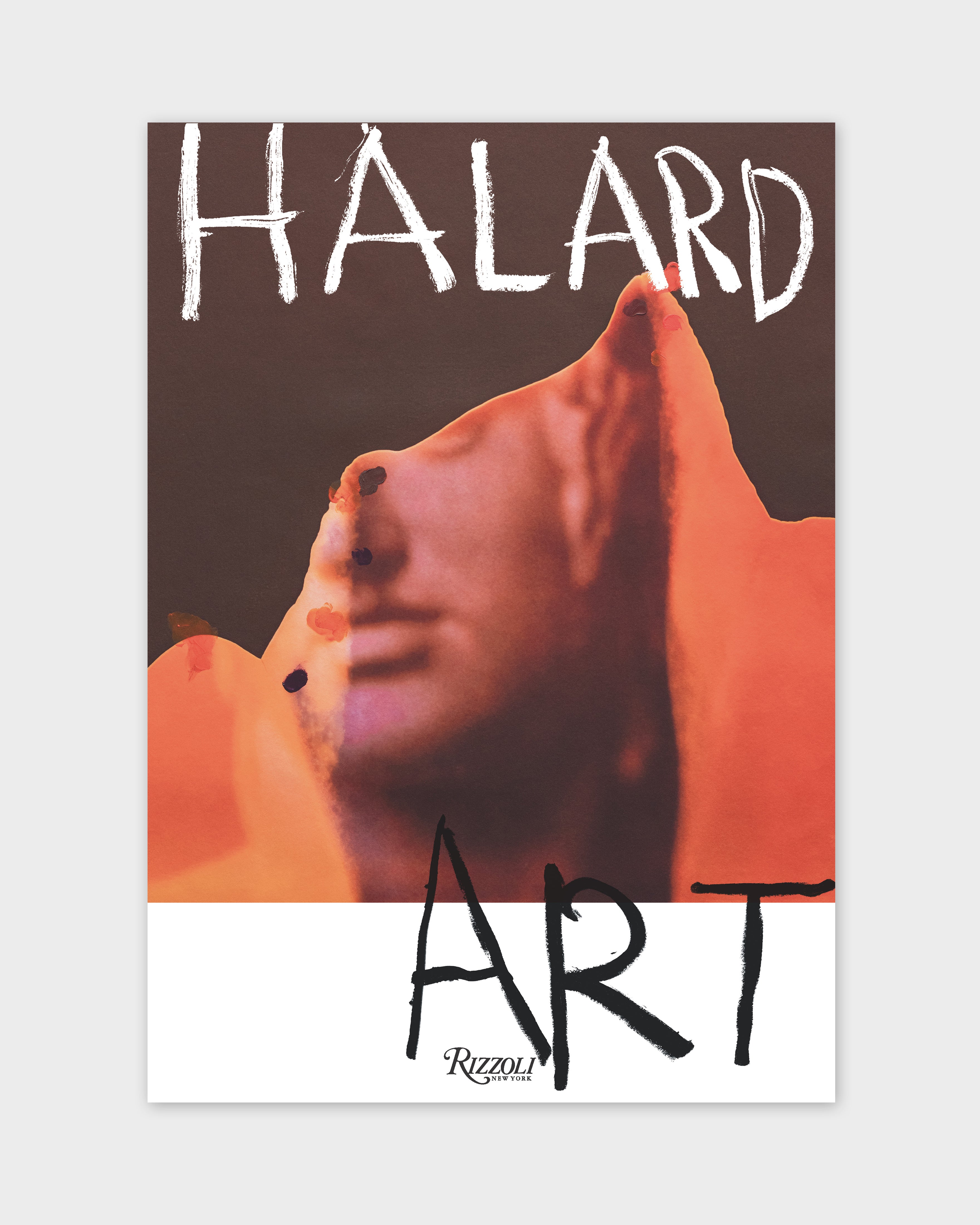
Words by Francois Halard
The master photographer’s compelling images of his two most intimate passions: art and flowers.
“His photography has an innate capacity to evoke emotion and tell stories that linger in the mind long after the image is seen,” writes Dries Van Noten in the foreword to this two-volume series of images.
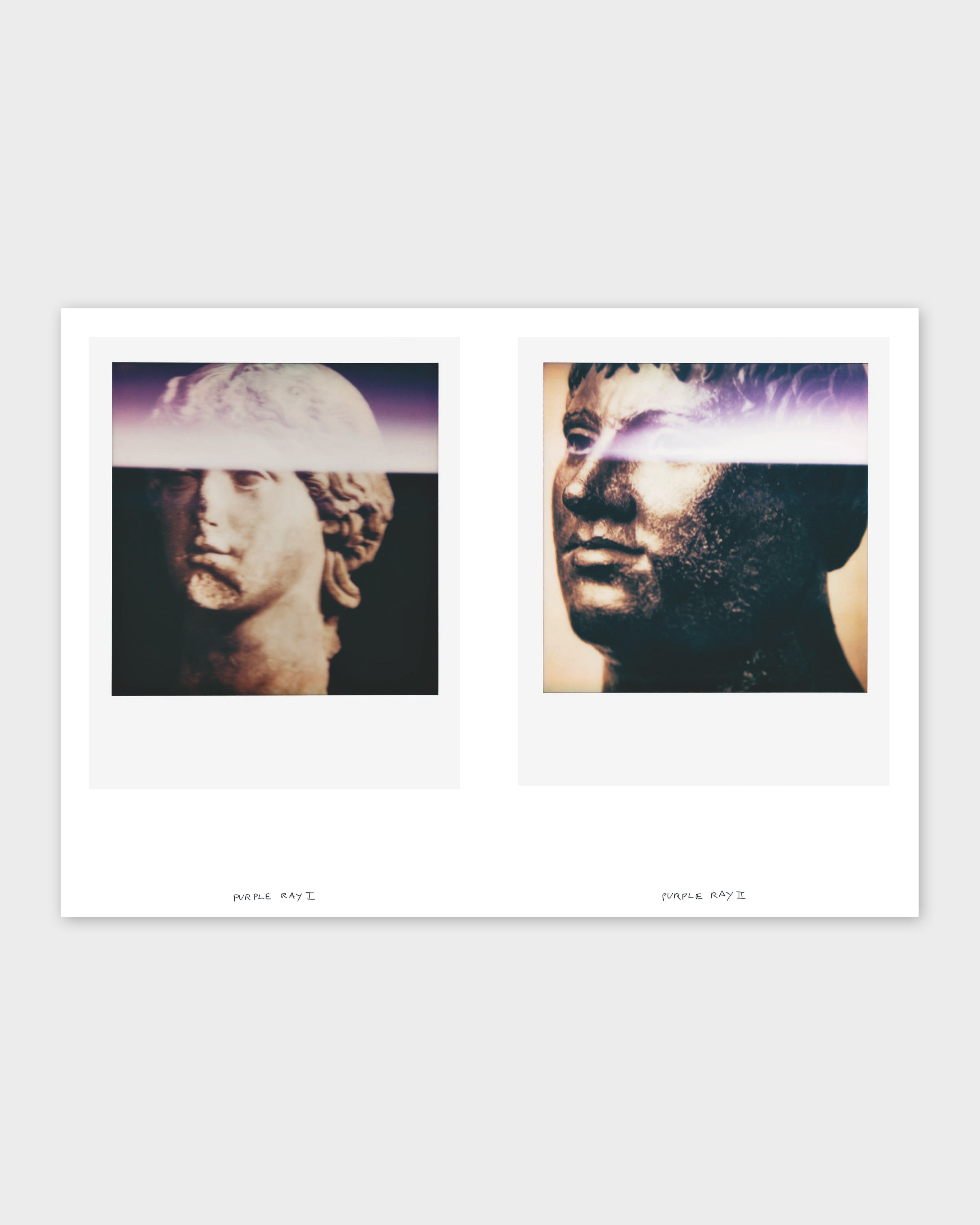
Long revered for his personal photography of the world’s most celebrated buildings and interiors, Halard strikes a new path with two new bodies of work. Confined to his house in Arles after a shoulder injury in early 2024, Halard began photographing the objects immediately surrounding him with his Polaroid camera. In turns traditional and abstract, the Flowers series is a captivating exploration of nature’s beauty. As beautifully described by fashion designer Dries Van Noten, “The Polaroid captures a fleeting moment, blossoming into a lasting memory, while the real flower, vibrant and alive, ultimately withers away, reminding us that beauty can be both preserved and ephemeral.”
In the second series, Art, Halard has enlarged a select number of his Polaroids, which he then worked on top with paint, wax, and other materials to give the final results a strong, layered sense of history and memory. Many of the images are made of ancient statuaries or details of Renaissance paintings from Italy and Greece—the tight crop of a marble head, or the folds of 15th-century drapery. “I am delving into the idea that antiquity can be modern,” Halard states in his interview with art curator Bice Curiger, “I like to start with a specific object to turn it into another, transitory object.” Halard’s transformation of the ephemeral into the permanent, in the case of his flowers; and the permanent into the ephemeral, in the case of his Classical-inspired artworks—give power and beauty to these compelling images.
Published by Rizzoli
Delivery in 2 weeks
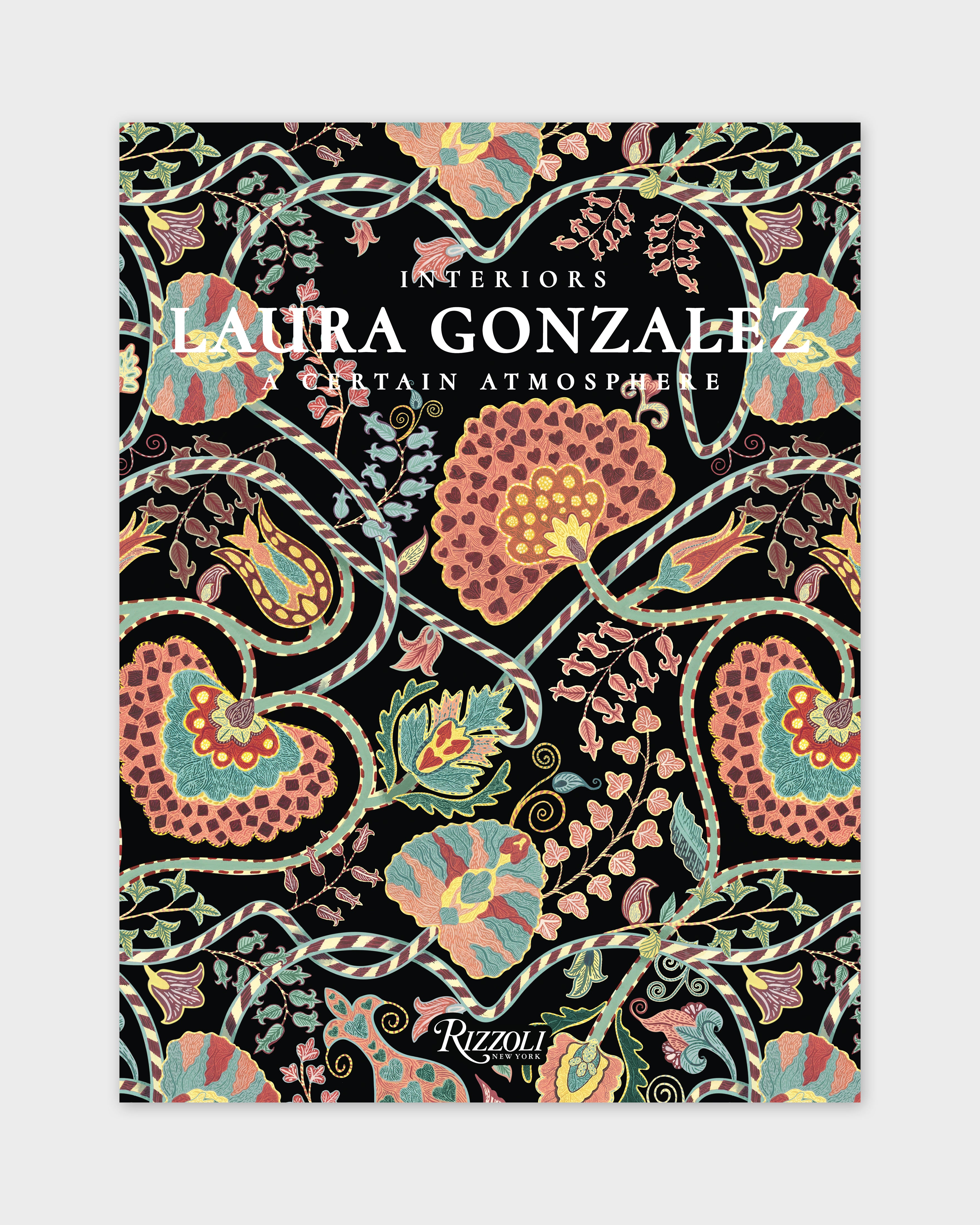
Words by Laura Gonzalez
Text by Cédric Saint André Perrin
Known for her chic mix-and-match style, one of Paris’s most in-demand interior designers presents her most standout projects in a highly anticipated debut monograph.
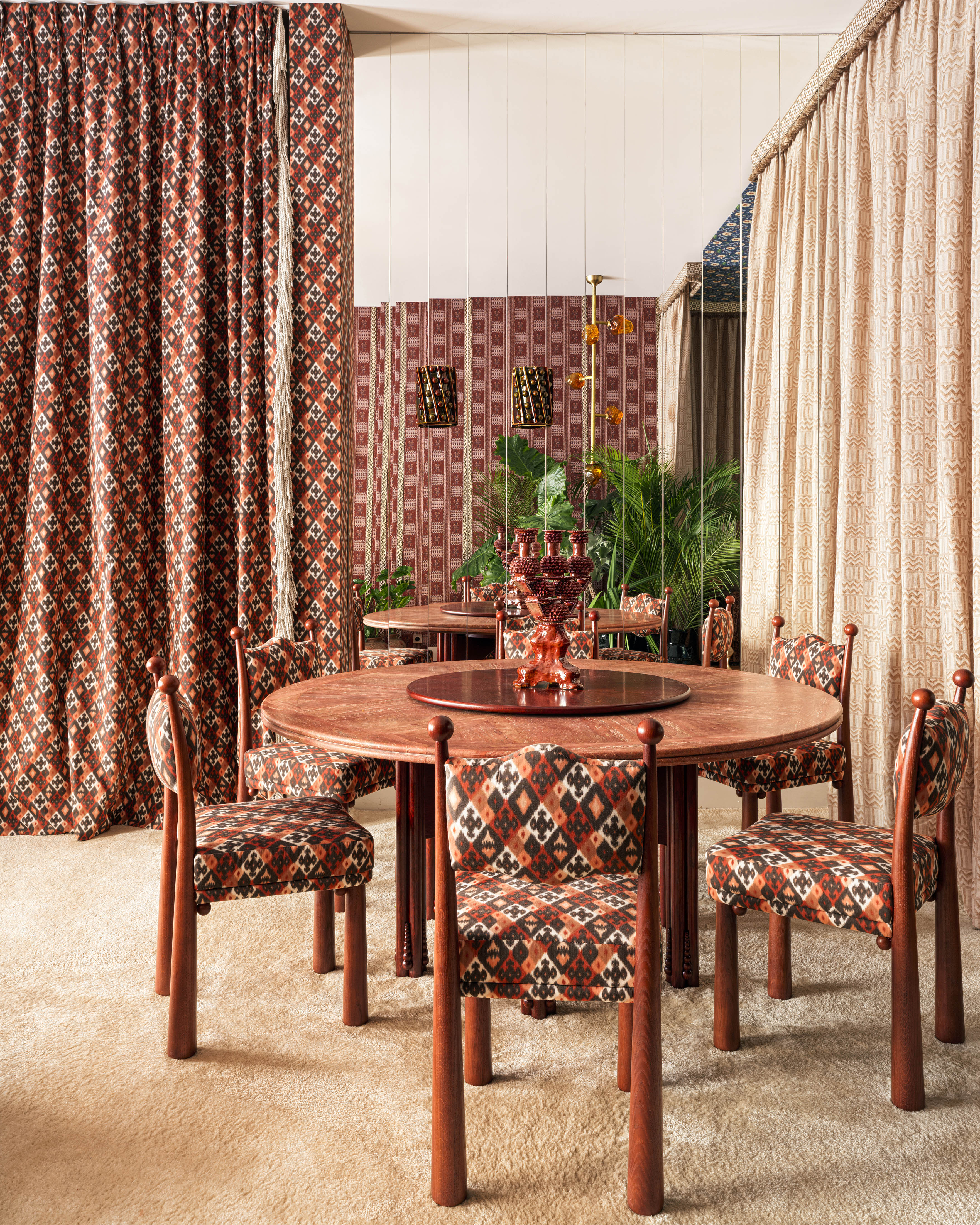
A designer and architect renowned for inventing rich patterns, textures, and joyful details, Laura Gonzalez’s interiors exude a vibrant boldness tempered by elegant romanticism. She draws inspiration from a classical world imbued with contemporary sophistication, as well as diverse cultural influences from Chinese and Indian to French and Spanish. Gonzalez’s eye for pairing palettes and her hallmark whimsical touches have transformed her into one of the French capital’s most popular designers, with luxury brands and the trendiest hotels calling upon her know-how.
Beautifully printed in Italy with a luxurious cloth cover enlivened with a bold pattern, this debut volume presents a selection of Gonzalez’s finest projects, including private residences, boutiques, such as the sumptuous Cartier mansion in New York, restaurants and hotels such as the Saint James in Paris’s posh 16th arrondissement, and Gonzalez’s pastoral private country house in Mandeville, France. Readers will delight in exuberant combinations of materials, patterns, and furniture in plush textures and diverse finishes that define her audacious spaces.
Published by Rizzoli
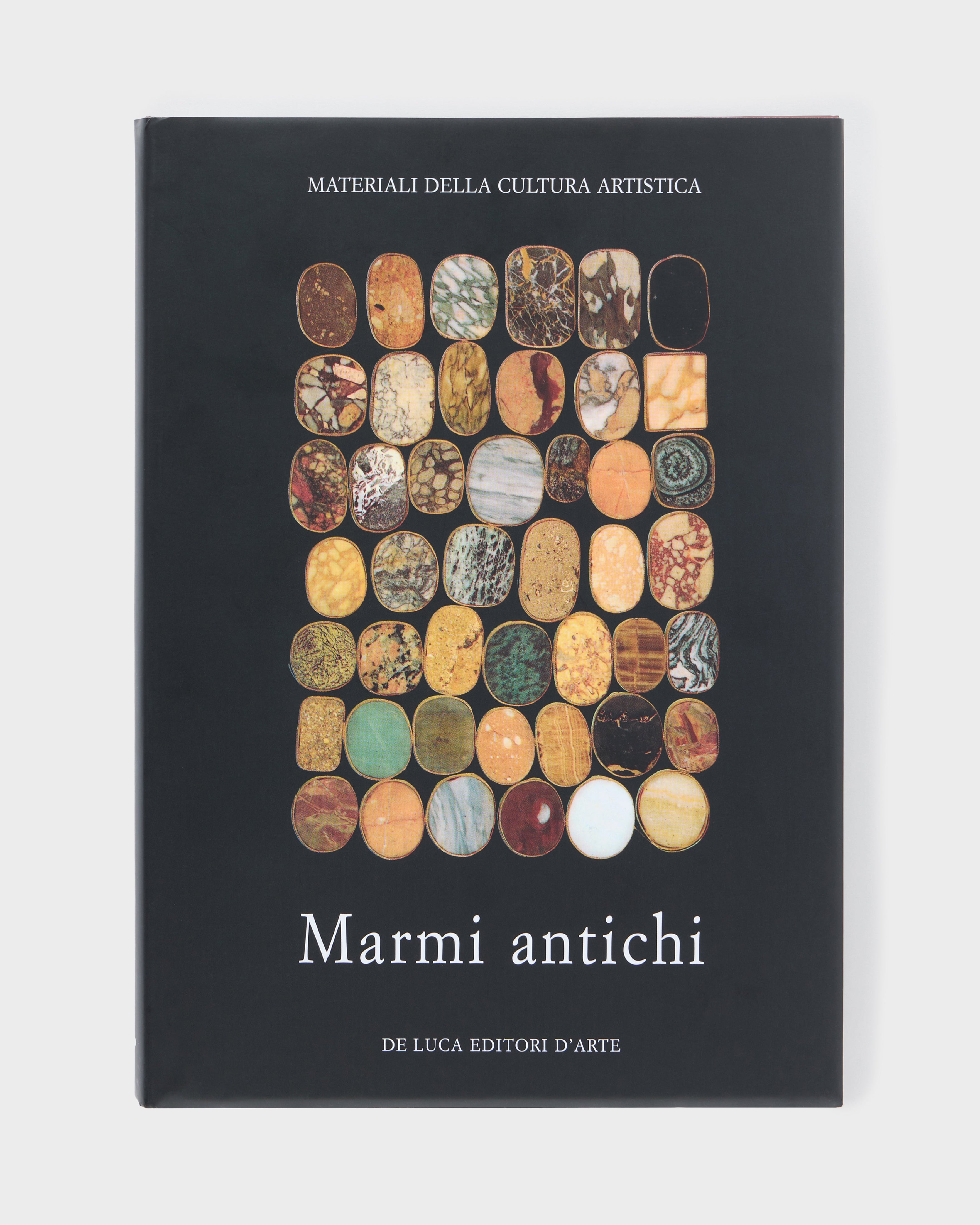
Edited by Gabriele Borghini
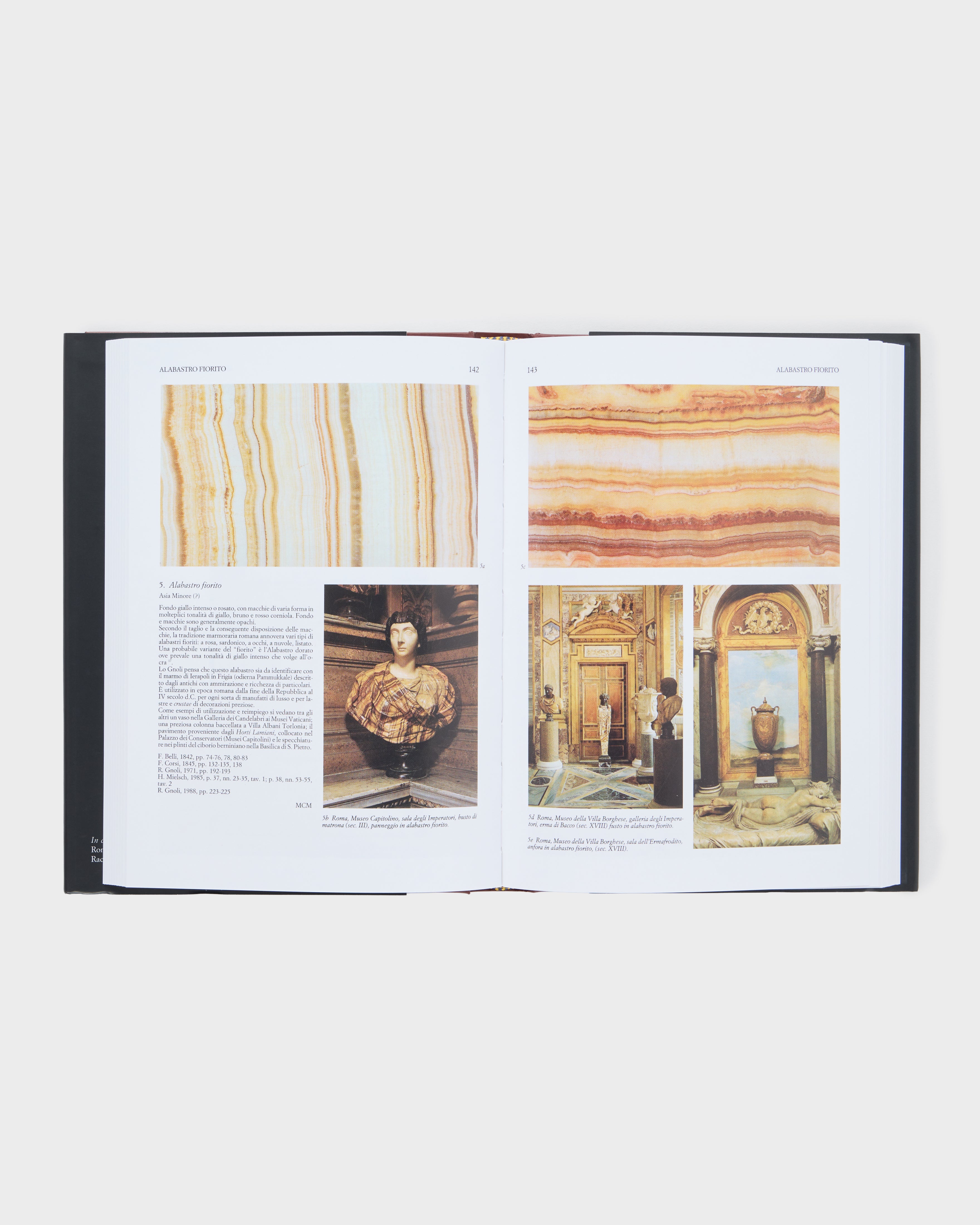
Marmi antichi is an essential reference work for restorers, art historians, and enthusiasts of classical materials. The book delves into the examination of raw stone and its processing, tracing a chronological arc from the Egyptians to the Romans. It continues by exploring medieval and modern practices of the "marmorari" (marble workers), including reuse, the Cosmati, and 17th-century specialized decorators. The volume concludes with a reasoned catalog of various marble types, providing valuable guidance for recognizing and assessing their aesthetic and structural characteristics.
Published by De Luca Editori
No account yet?
Create an Account