




Words by Alexis Kugel
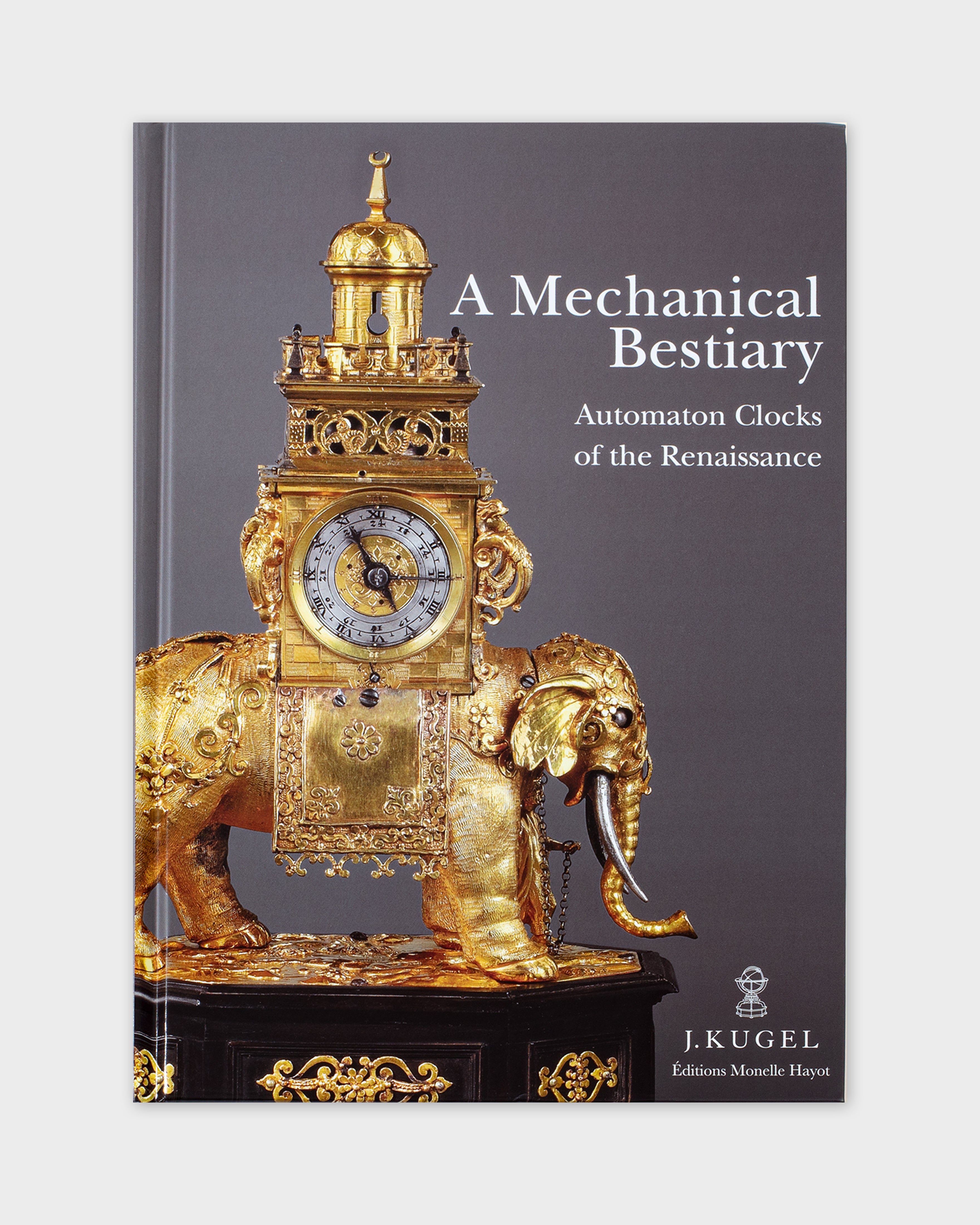
This exhibition, Galerie Kugel’s tenth, continues the tradition of seeking out little-known but fascinating fields in the art world. Renaissance automaton clocks have never been the subject of scientific study, authors of horological reference works devoting at best merely a chapter to them.
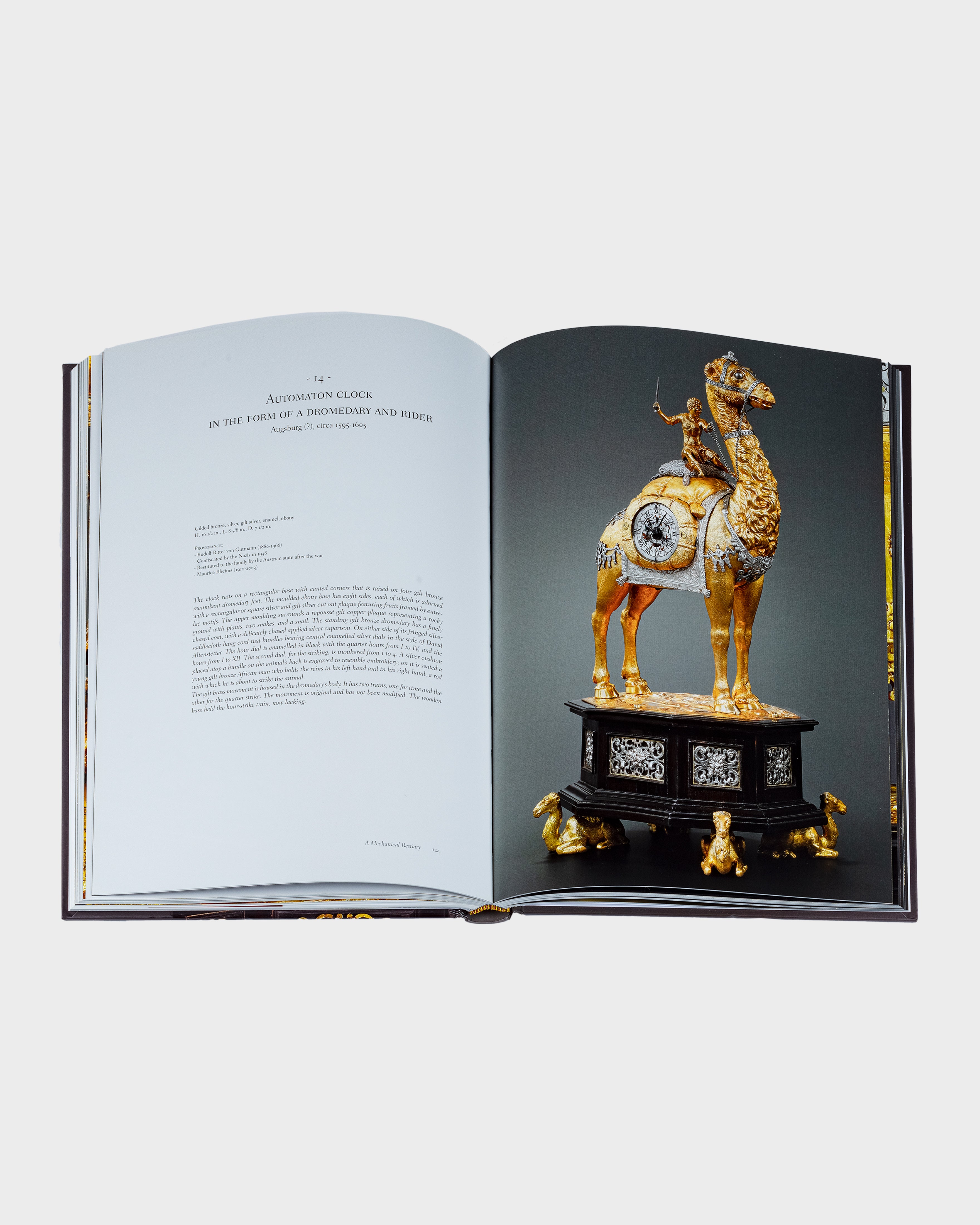
These automaton clocks date from 1580 to 1630 and were for the most part created in Augsburg, the main German artistic centre of the time. These wonderful objects combine the arts of sculpture and horology. Rivalling in fantasy and ingenuity, they fascinated the European courts. Today, they can be found in museums holding great princely collections in Vienna, Dresden, Munich. Automaton clocks were also used as diplomatic presents.
The thirty-one automaton clocks presented in this exhibition and book are the largest group ever displayed. While studying them we have made surprising discoveries. For example, the troubling similarities between some of the most extraordinary anonymous clocks displayed here: the Elephant (cat. 3), the large Pacing Lion and his Tamer (cat. 7), the large Seated Lion (cat. 9), and the Chariot of Bacchus (cat. 11), which strongly argue for their having been produced in the same workshop. Among all the clocks published in this book, only one comes from Nuremberg (cat. 21). The chronological presentation that we chose also led us to rethink the conventional dating of certain pieces.
The title “Mechanical Bestiary” is somewhat restrictive, for among the clocks presented here, a quarter represent human figures without animals, and certain pieces possess no mechanical movements. Yet the thirty-one pieces assembled here clearly form a homogeneous and coherent whole. All were created for the same reason: to amuse and delight the collectors of their time.
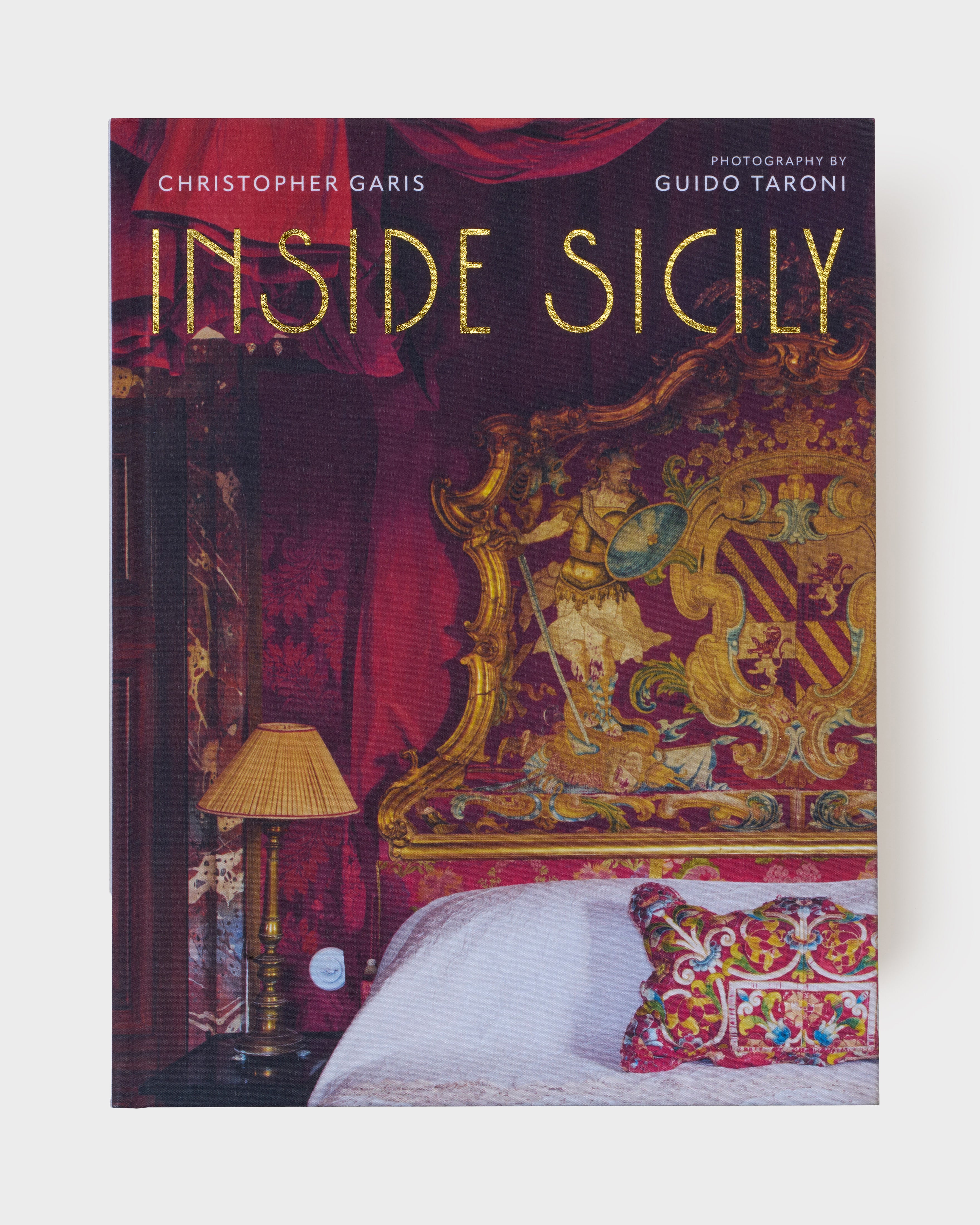
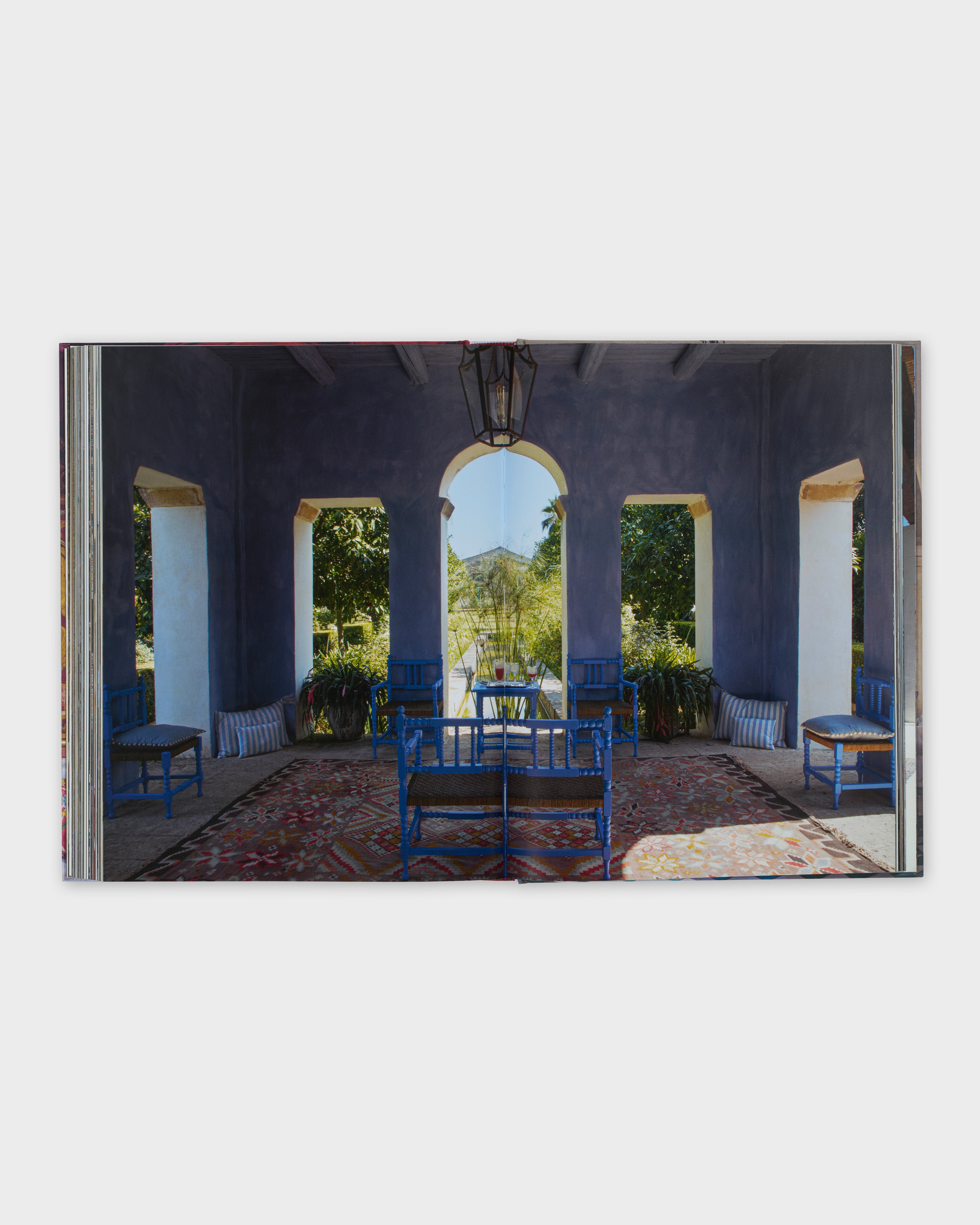
An ode to the ever-changing landscapes of the Mediterranean’s largest island, this book takes readers on a captivating journey from Sicily’s dazzling coastline and the Aeolian Islands to the volcanic foothills of the majestic Mount Etna. From the gilded and frescoed ceilings of aristocratic palazzos to the muted tones of sun-bleached rustic dwellings, the extraordinary homes seen here reveal the rich tapestry of design at the heart of Sicily’s enigmatic and captivating soul. Sicily, a cradle of architectural styles, reflects its Ancient Greek and Roman heritage, enriched by Byzantine and Arab influences and crowned with the opulence of Sicilian Baroque.
This cultural tapestry comes alive in the island’s grand palazzos, rural masserie (farmhouses), and lovingly restored villas, all brought to life in this exquisite volume. Step inside Casa Cuseni in Taormina, the historic home of English painter Robert Kitson, which once hosted luminaries such as Giacomo Balla and D.H. Lawrence, whose creativity is reflected in its remarkable décor. Visit the Aeolian retreat of visionary architect Ettore Sottsass, founder of the Memphis Group, and writer and design critic Barbara Radice.
Featuring stunning interiors photography by Guido Taroni and rich insights by author Christopher Garis, Inside Sicily celebrates the island’s unparalleled fusion of traditions.
Lead Time:
2 weeks
Edited by Gabriele Borghini
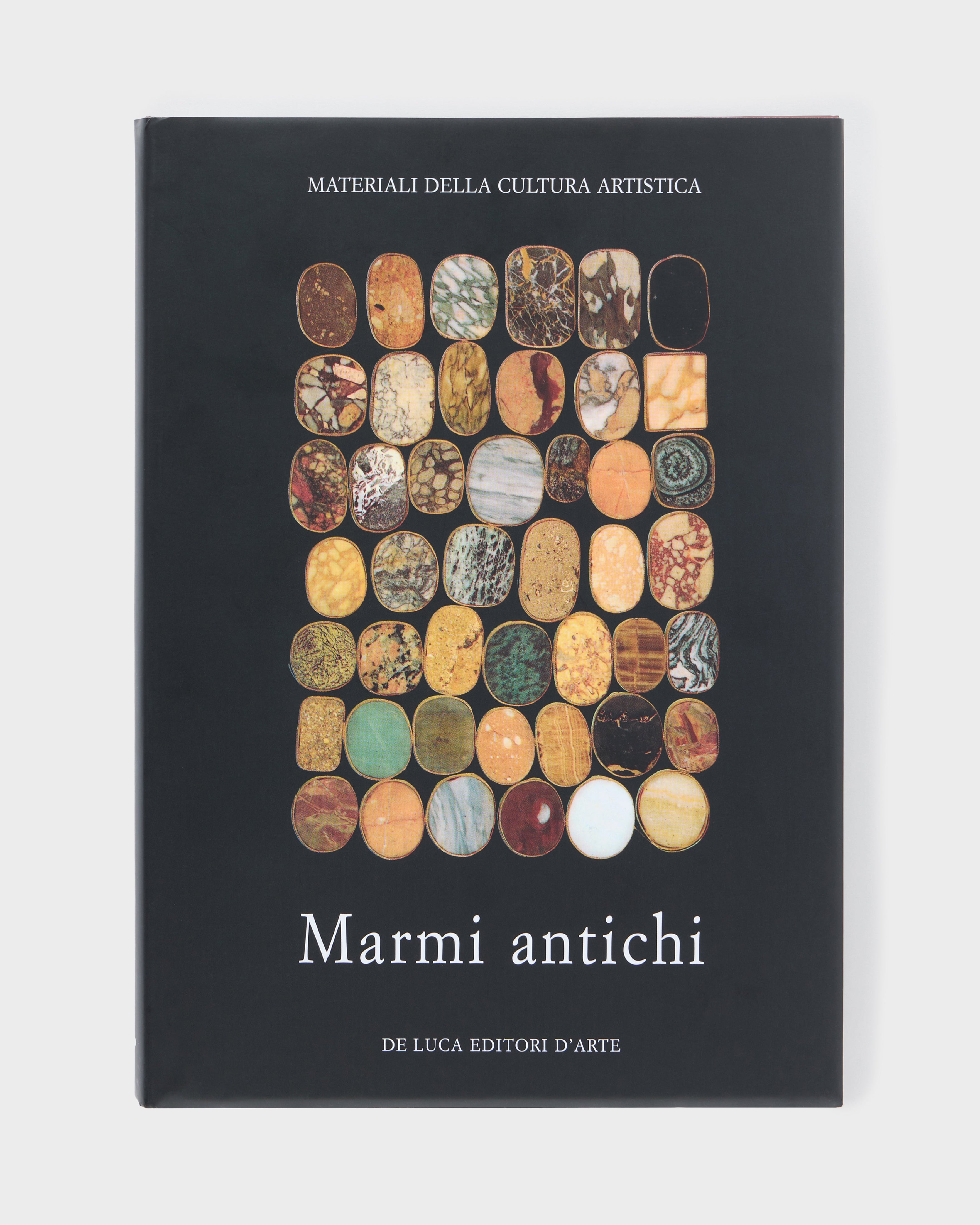
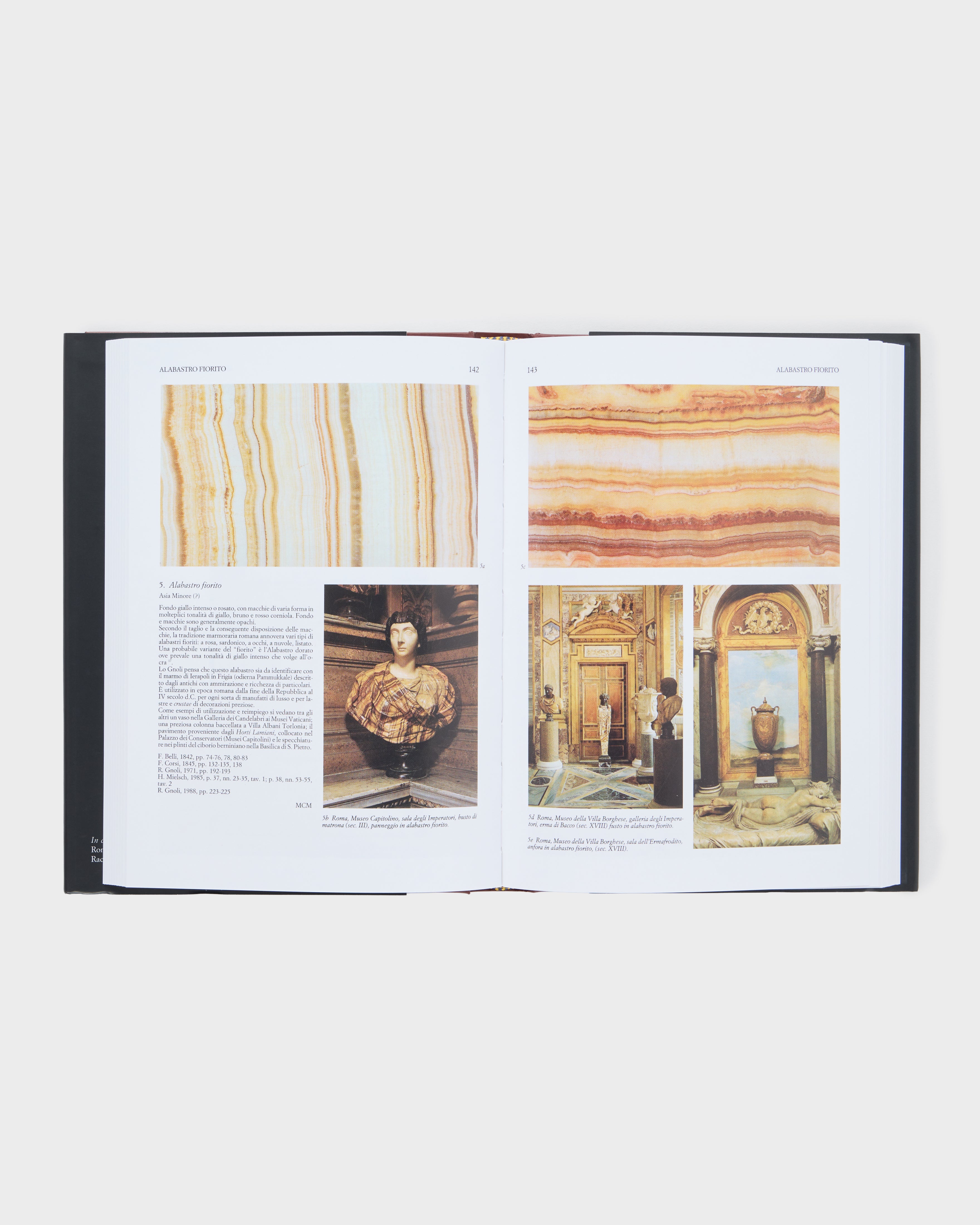
Marmi antichi is an essential reference work for restorers, art historians, and enthusiasts of classical materials. The book delves into the examination of raw stone and its processing, tracing a chronological arc from the Egyptians to the Romans. It continues by exploring medieval and modern practices of the "marmorari" (marble workers), including reuse, the Cosmati, and 17th-century specialized decorators. The volume concludes with a reasoned catalog of various marble types, providing valuable guidance for recognizing and assessing their aesthetic and structural characteristics.
Published by De Luca Editori
Words by David Lane and Marina Tweed
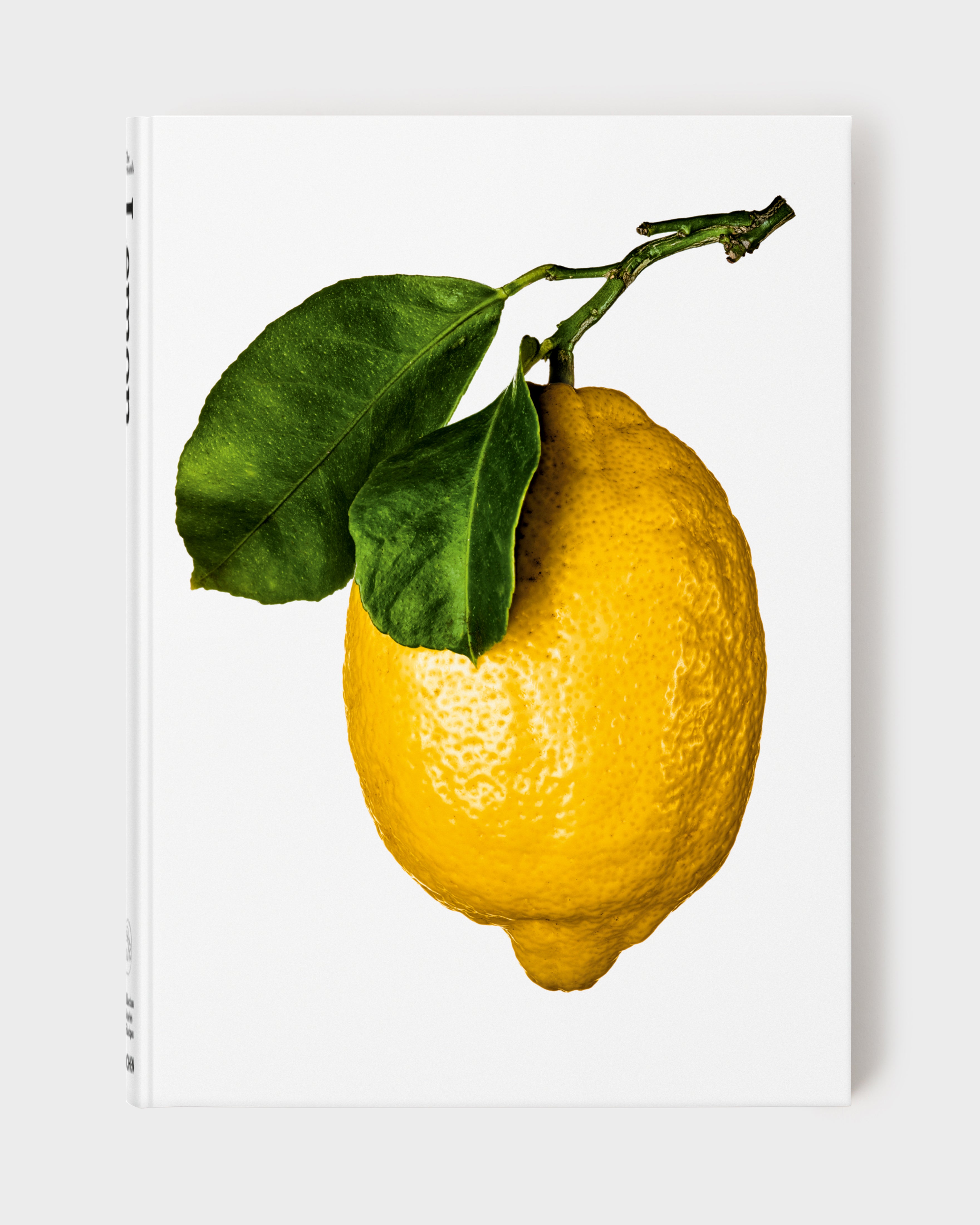
The deceptively simple lemon takes center stage in the second volume of TASCHEN’s collaboration with The Gourmand, masters of the rich intersection of food and art. The star of Renaissance gardens, that shaped the Medici dynasty, have the power to ward off scurvy, had a hand in forming the mob, and whose juice has been used as an invisible ink since 600 CE to pen covert messages, these joyful yellow orbs are ripe with intrigue. The Gourmand charts the fruit’s astonishingly intricate genealogy, explores its role as a literary device for the likes of Joan Didion, F. Scott Fitzgerald, Tom Wolfe, and James Joyce, and examines its unique representation of the American dream through lemonade stands.
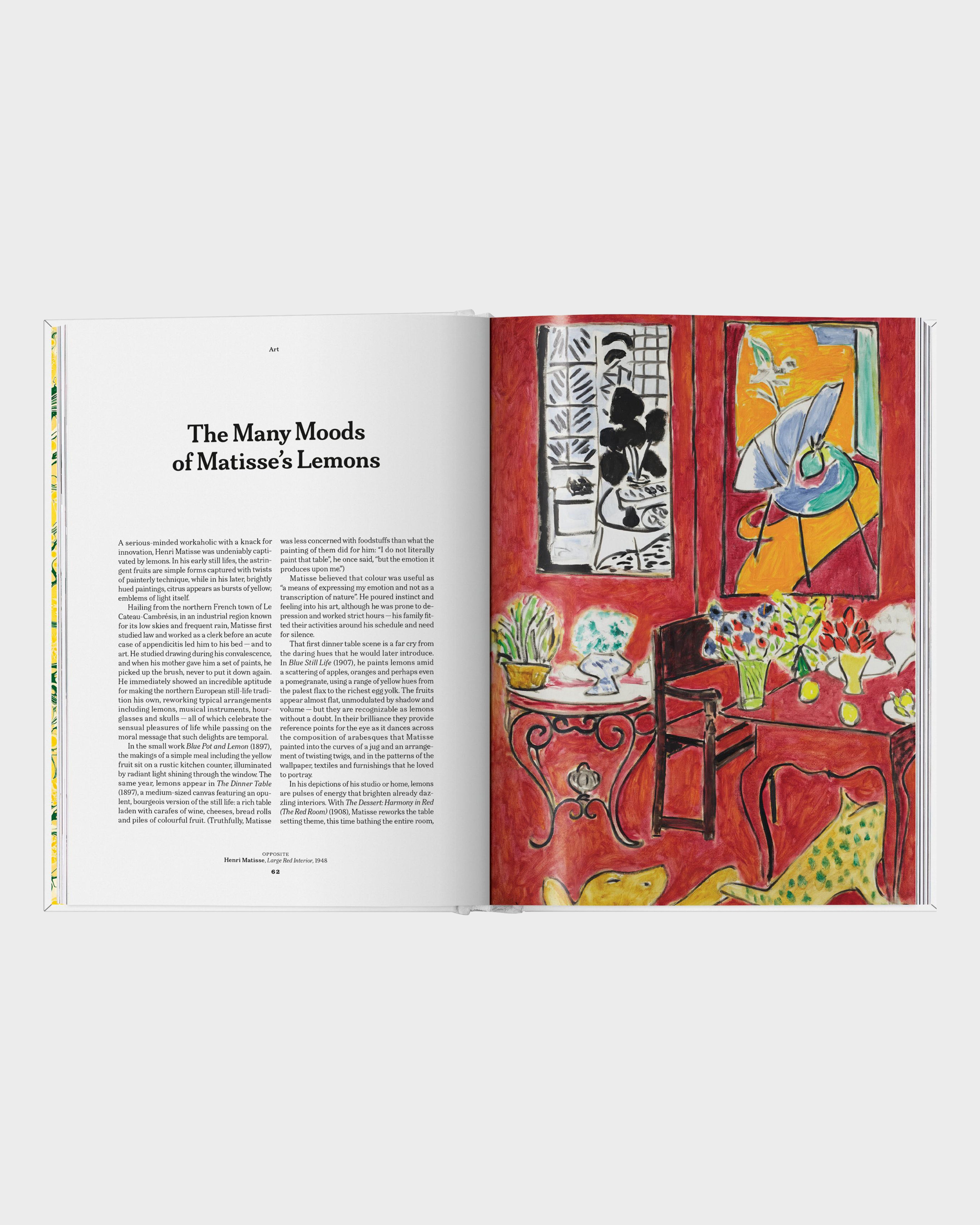
A favorite subject of art history’s giants, the lemon captivates in the still lifes of Old Masters and inspired the breakthroughs of modern visionaries like Picasso, Matisse, and Warhol. Lemons also find themselves at the cutting edge of design in Philippe Starck’s iconic Juicy Salif and the unassuming yet revolutionary Jif Lemon. Their presence extends to the decorative arts, gracing everything from Arts and Crafts wallpapers to mythological ceramics. Even the famed Bloomsbury Group found lemons entangled in their literary love affairs.
Accompanying these citrus-centric anecdotes are a foreword by chef and acclaimed food writer Simon Hopkinson and an introduction by art critic and author Jennifer Higgie alongside more than 60 lemon-infused recipes across global cuisines and for every occasion—including perfect poultry, decadent sauces, classic cocktails, and indulgent desserts, with custom photography by Bobby Doherty.
Published by Taschen
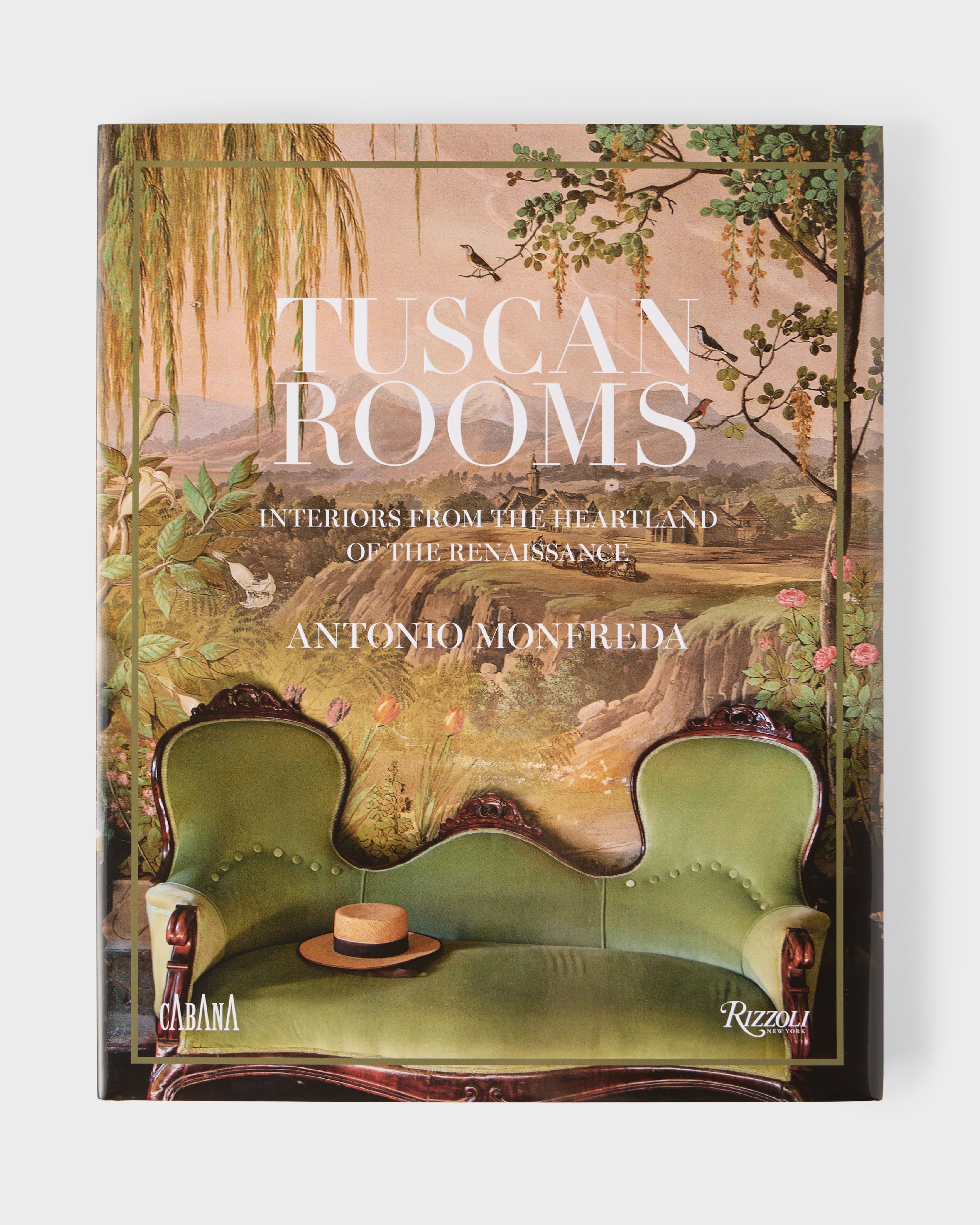
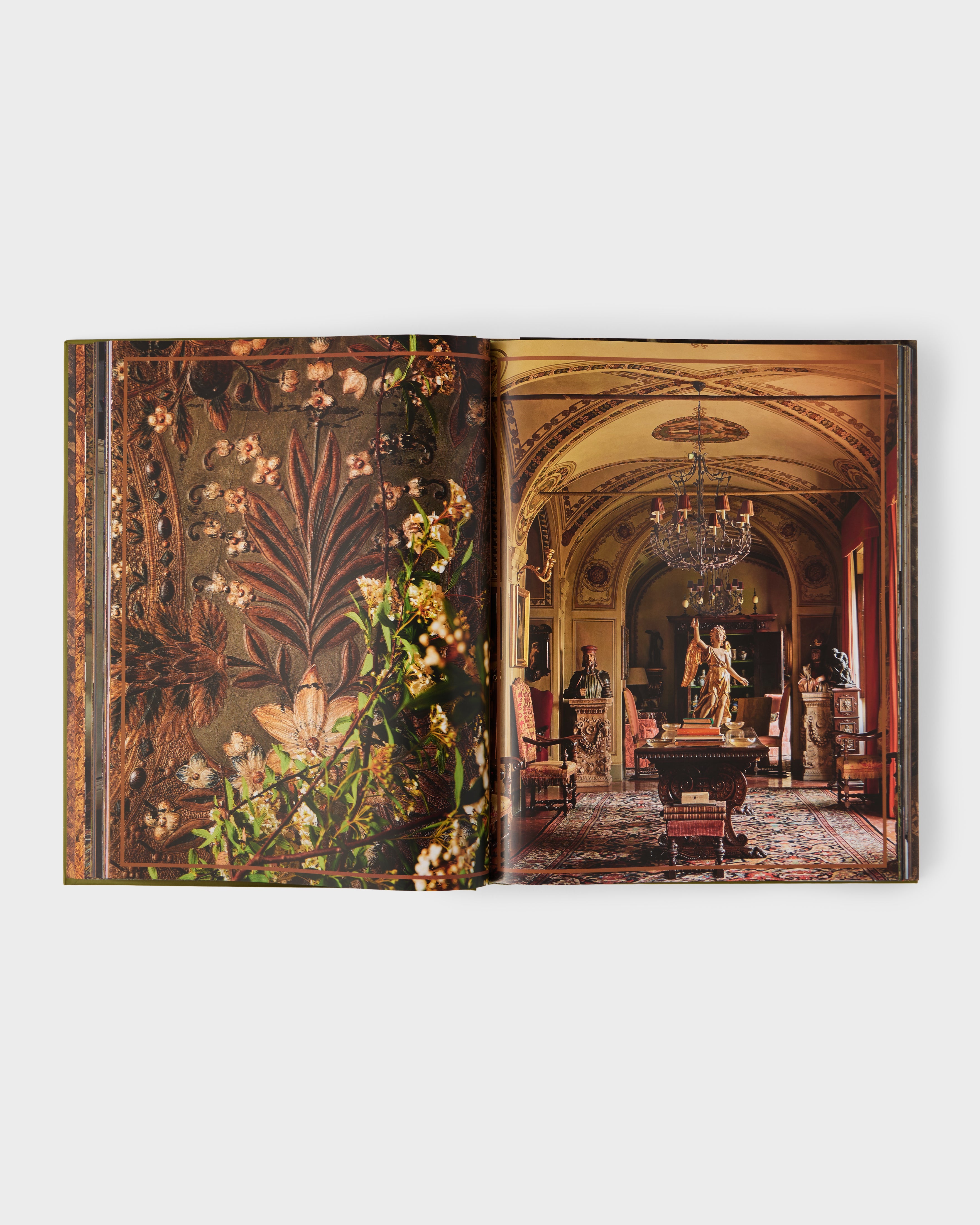
An exclusive look into Tuscan interiors that have the hallmarks of magazine’s coverage of remarkable, eclectic, and dramatic spaces.
Tuscany’s historical residences tell stories that no mere guidebook can capture. The houses that dot the landscape—from the stately Medici villas to the more humble yet charming farmhouses—are not just structures but also symbols of a way of life, a lasting testament to the fusion of an agrarian lifestyle, picturesque towns, notable architecture, fine craft, and art.
In the book’s foreword, Cabana founder Mondadori writes, “Tuscany is not merely a region; it is a living canvas, a dreamscape that has cradled the imagination of artists, poets, and thinkers for centuries.” The interiors presented in this book are a celebration of the talents of the diverse contemporary homeowners, who are keeping the region’s creative spirit alive. Houses brim with the output of skilled craftsmen, exquisite tapestries, brocades and damasks, objects arranged as if painterly still lifes, fantastical murals, rare books, furniture from a range of periods, and fine porcelain.
The houses, many published here for the first time, include a gentle hilltop in Maremma where late interior designer Manfredi della Gherardesca filled his family’s castle with superb collections of decorative and fine arts; a rustic coastal retreat where the boundaries between indoor and outdoor are blurred; the Pucci family palace, where a kaleidoscopic twentieth-century fashion phenomenon was born in a Renaissance setting; and a country hideaway where local decorative arts are astutely paired with more worldly objects, a colorful patchwork of Argentinian and Moroccan carpets and African figurines. Tuscany is the birthplace of Renaissance art and thought, a creative explosion that still resonates today. The interiors in this book are a testament to the ongoing legacy of creative rebirth in a most glorious setting.
Published by
Rizzoli
No account yet?
Create an Account