


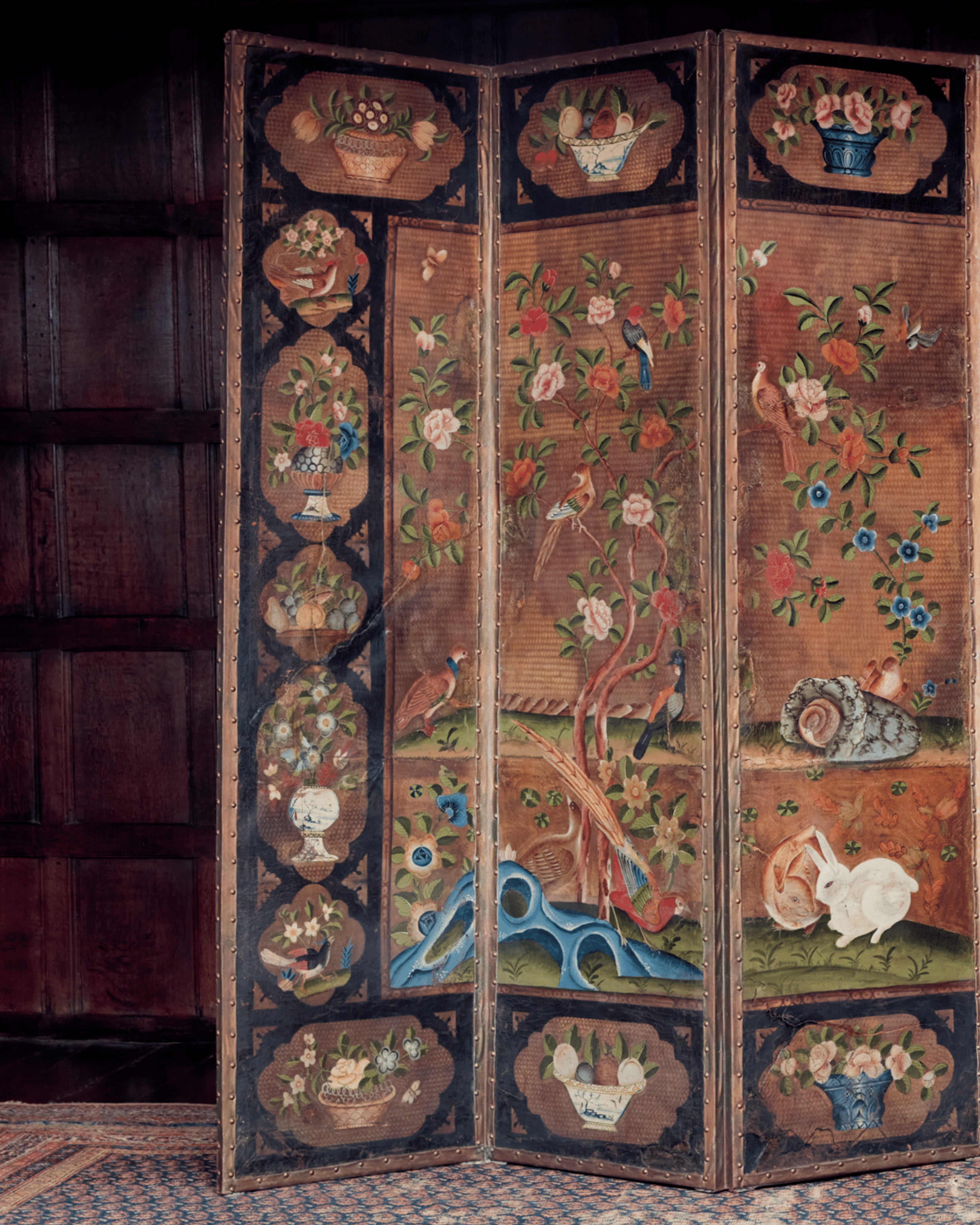







Words by Annabel Westman
Trimmings are often overlooked as mere details of a furnished interior. However, in the past they were seen as vital and costly elements in the decoration of a room. They were used not only on curtains and beds but also on wall hangings, upholstered seat furniture and cushions, providing a visual feast for the eye with their colour and intricate detail. Sometimes more expensive than the rich fabrics they enhanced, trimmings are often the only surviving evidence of a lost decorative scheme, reapplied to replacement textiles or found as fragments in the attic.
This book, the first of its kind, traces their history in Britain and Ireland from 1320 to 1970, examining the design and usage of tassels, fringe, braid (woven lace), gimp and cord and their dependence on French fashion. The substantial text links surviving items in historic houses and museums to written evidence, paintings, drawings and other primary sources to provide a firm framework for dating pieces of less-certain provenance. The importance of the 'laceman', the maker of these trimmings, is also examined within an economic and social context, together with the relationship to the upholsterer and interior decorator in the creation of a fashionable room.
Published by Bloomsbury Publishing
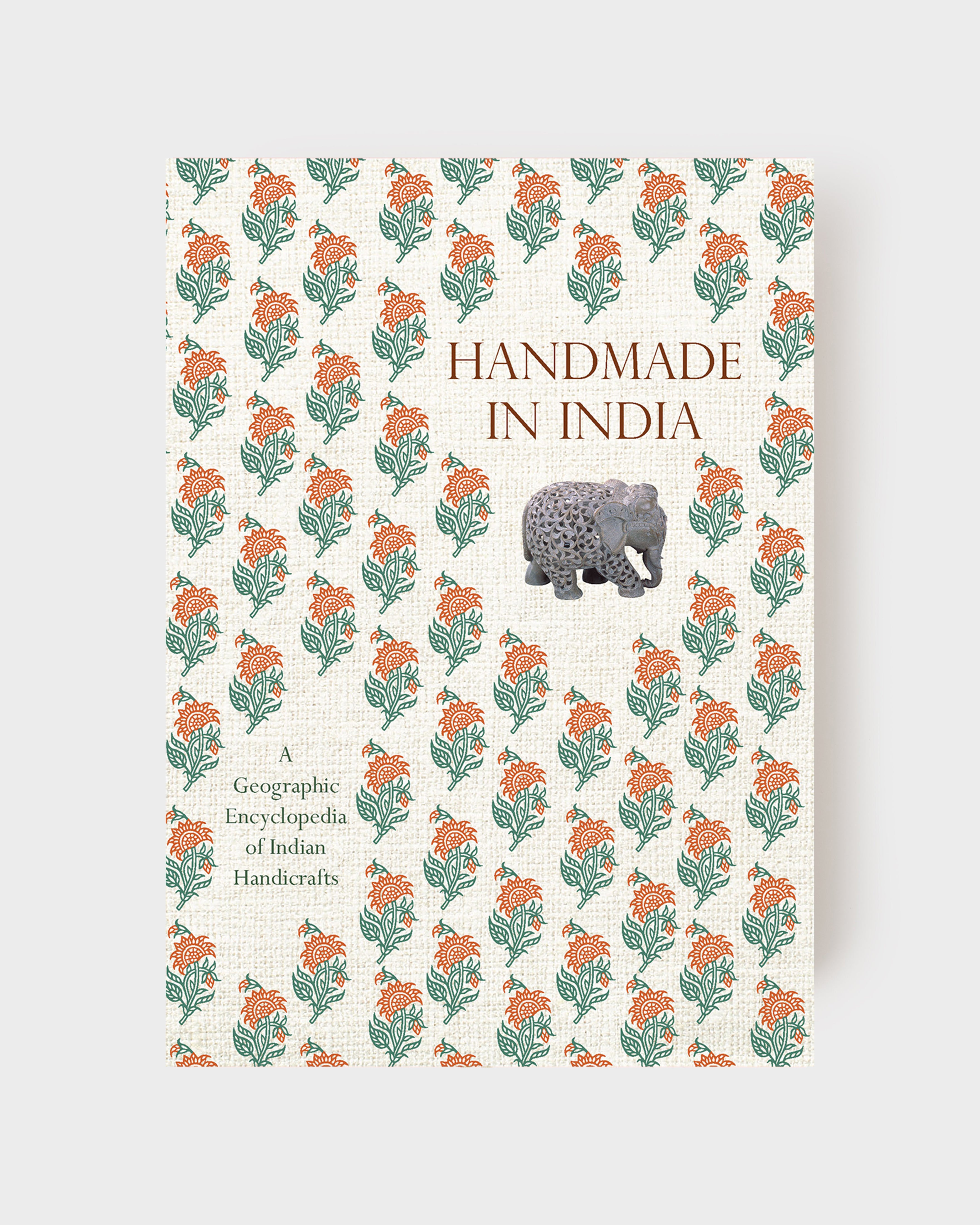
Words by Aditi Ranjan & M.P. Ranjan
Daily life in India is enriched by a colorful profusion of handmade goods, crafted with simple tools by artisans rooted in local traditions. From the richly embroidered gabba rugs of Kashmir to the polished metal mirrors of Kerala, and from the turned-wood vases of Gujarat to the coiled-cane hats of Arunachal Pradesh, the range of Indian handicrafts is as rich and varied as the country’s culture and geography.
Handmade in India is the first book to explore the entire spectrum of Indian crafts, state by state and district by district. The product of extensive fieldwork, it covers all aspects of India’s regional traditions: their historical, social, and cultural context; design and production processes; and markets old and new. Thousands of color photographs show the artisans at work, their tools, and their finished products. The broad geographic scope allows the reader to appreciate not only the astonishing diversity of Indian crafts, but also the variations (sometimes subtle, sometimes surprising) in the same craft as practiced in different regions.
This beautifully illustrated volume is an indispensable reference for product and textile designers, artists, architects, interior designers, development professionals, and collectors alike.
Published Abbeville Press
Magazine is a biannual publication, publishing each April and October. This subscription auto-renews with each issue launch.
When you subscribe today, your first charge will secure the upcoming Issue 24, shipping in mid-October. Your subscription will then renew in April 2026 for Issue 25, and continue with each subsequent issue. You will always receive an email notification before your subscription renews, and you may cancel at any time.
Magazine offers a truly immersive experience, aiming to inspire generations of globe trotters through striking photography, thoughtful prose and beautiful graphic treatments. Each issue features a cover partner with multiple cover patterns. Covers for each issue are selected at random. We are unable to guarantee specific covers at the time of delivery.
To stay informed about your subscription, please be sure to subscribe to our newsletter during checkout to receive important updates, including notifications about delivery, payment issues and cancellations.
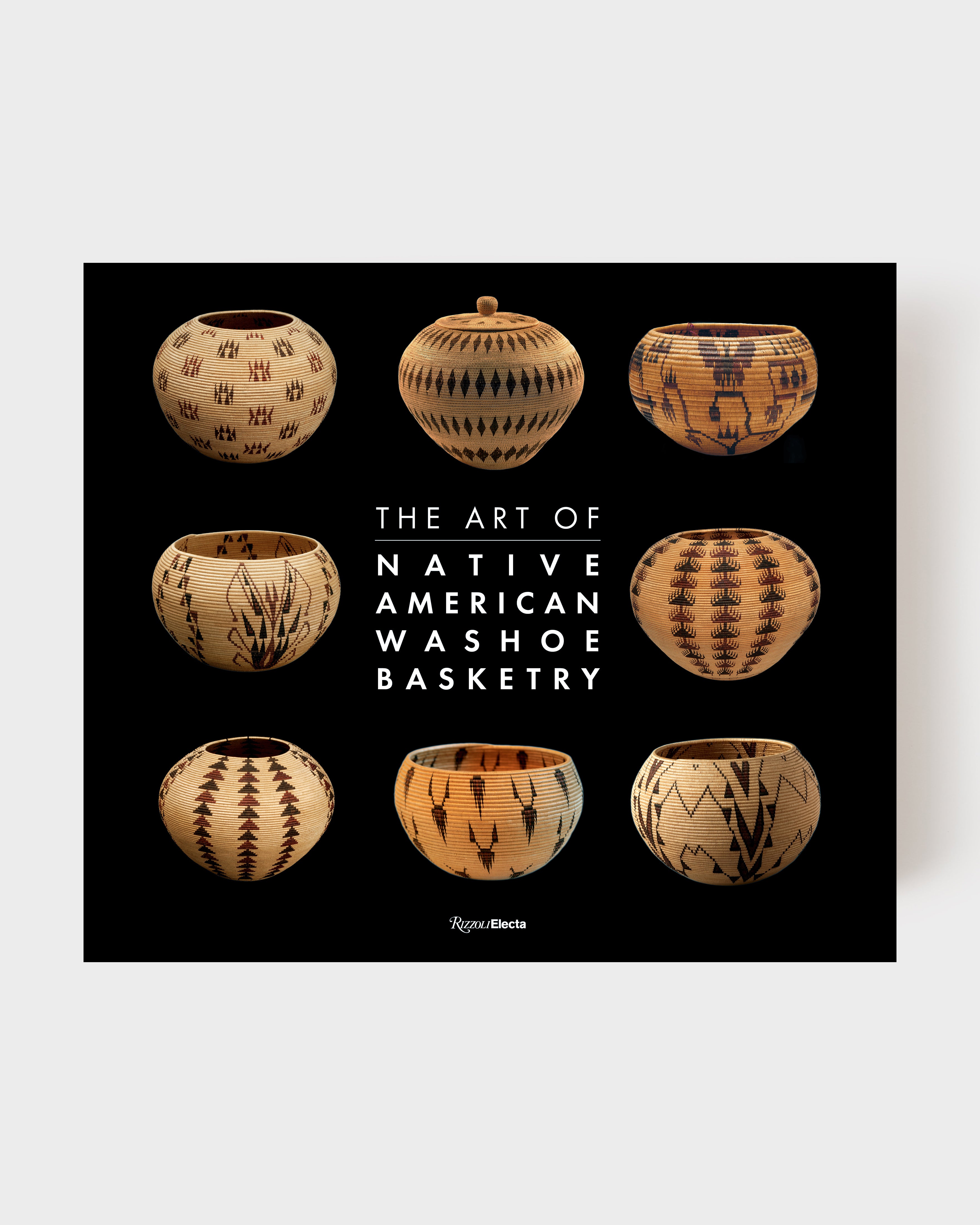
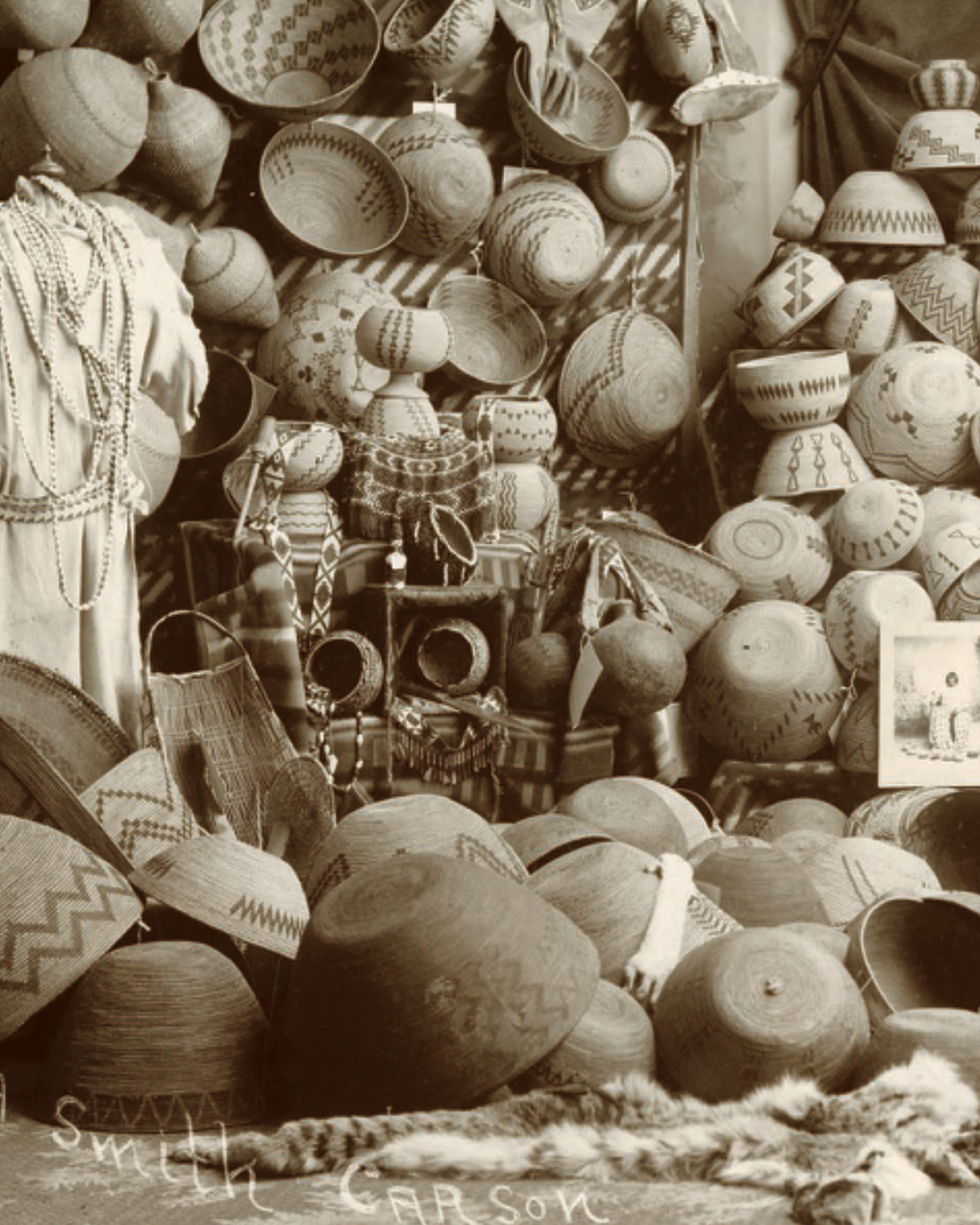
Words by Ann M. Wolfe
This large-scale book presents breathtaking Native American basketry made by the Washoe people who have lived in the Lake Tahoe region of California and Nevada for millennia.
This book explores fine art and functional basketry made by Washoe weavers, who are recognized for their intricate and meticulous weaving techniques and complex designs. Drawing inspiration and natural materials from their ancestral homelands, Washoe baskets reflect the deep cultural reverence of their makers for the environment, particularly the sacred site of Lake Tahoe, the surrounding Sierra Nevada, and adjacent valleys. Among Washoe weavers, Louisa Keyser, also known as Datsolalee, is widely regarded as one of the most innovative, important, and famous basketmakers in North America. The book provides a deeper understanding of the cultural, historical, and political contexts in which these remarkable baskets were created, making it an essential read for anyone interested in Indigenous art and culture.
Published by Rizzoli

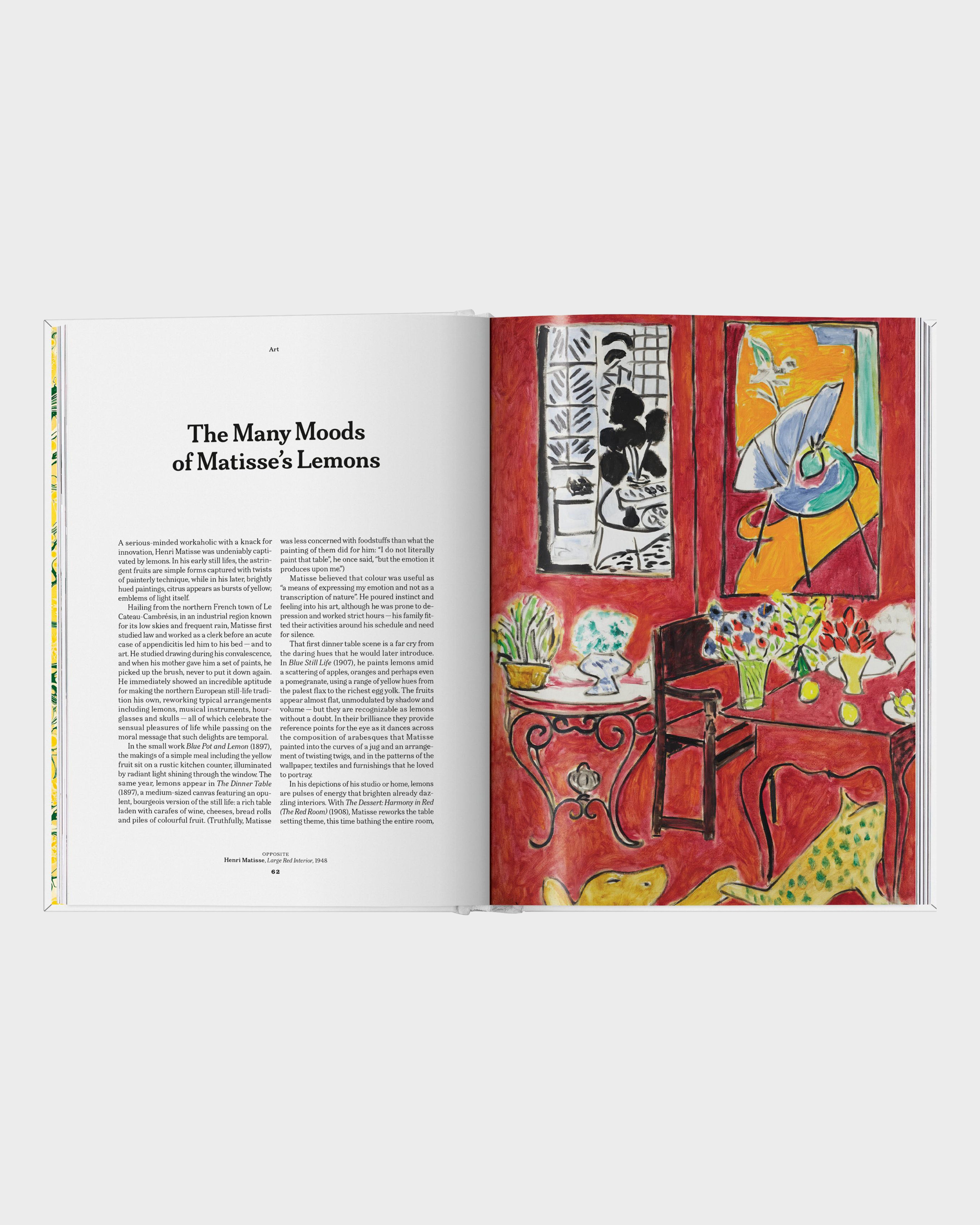
Words by David Lane and Marina Tweed
The deceptively simple lemon takes center stage in the second volume of TASCHEN’s collaboration with The Gourmand, masters of the rich intersection of food and art. The star of Renaissance gardens, that shaped the Medici dynasty, have the power to ward off scurvy, had a hand in forming the mob, and whose juice has been used as an invisible ink since 600 CE to pen covert messages, these joyful yellow orbs are ripe with intrigue. The Gourmand charts the fruit’s astonishingly intricate genealogy, explores its role as a literary device for the likes of Joan Didion, F. Scott Fitzgerald, Tom Wolfe, and James Joyce, and examines its unique representation of the American dream through lemonade stands.
A favorite subject of art history’s giants, the lemon captivates in the still lifes of Old Masters and inspired the breakthroughs of modern visionaries like Picasso, Matisse, and Warhol. Lemons also find themselves at the cutting edge of design in Philippe Starck’s iconic Juicy Salif and the unassuming yet revolutionary Jif Lemon. Their presence extends to the decorative arts, gracing everything from Arts and Crafts wallpapers to mythological ceramics. Even the famed Bloomsbury Group found lemons entangled in their literary love affairs.
Accompanying these citrus-centric anecdotes are a foreword by chef and acclaimed food writer Simon Hopkinson and an introduction by art critic and author Jennifer Higgie alongside more than 60 lemon-infused recipes across global cuisines and for every occasion—including perfect poultry, decadent sauces, classic cocktails, and indulgent desserts, with custom photography by Bobby Doherty.
Published by Taschen
No account yet?
Create an Account