
Words by Alexis Kugel
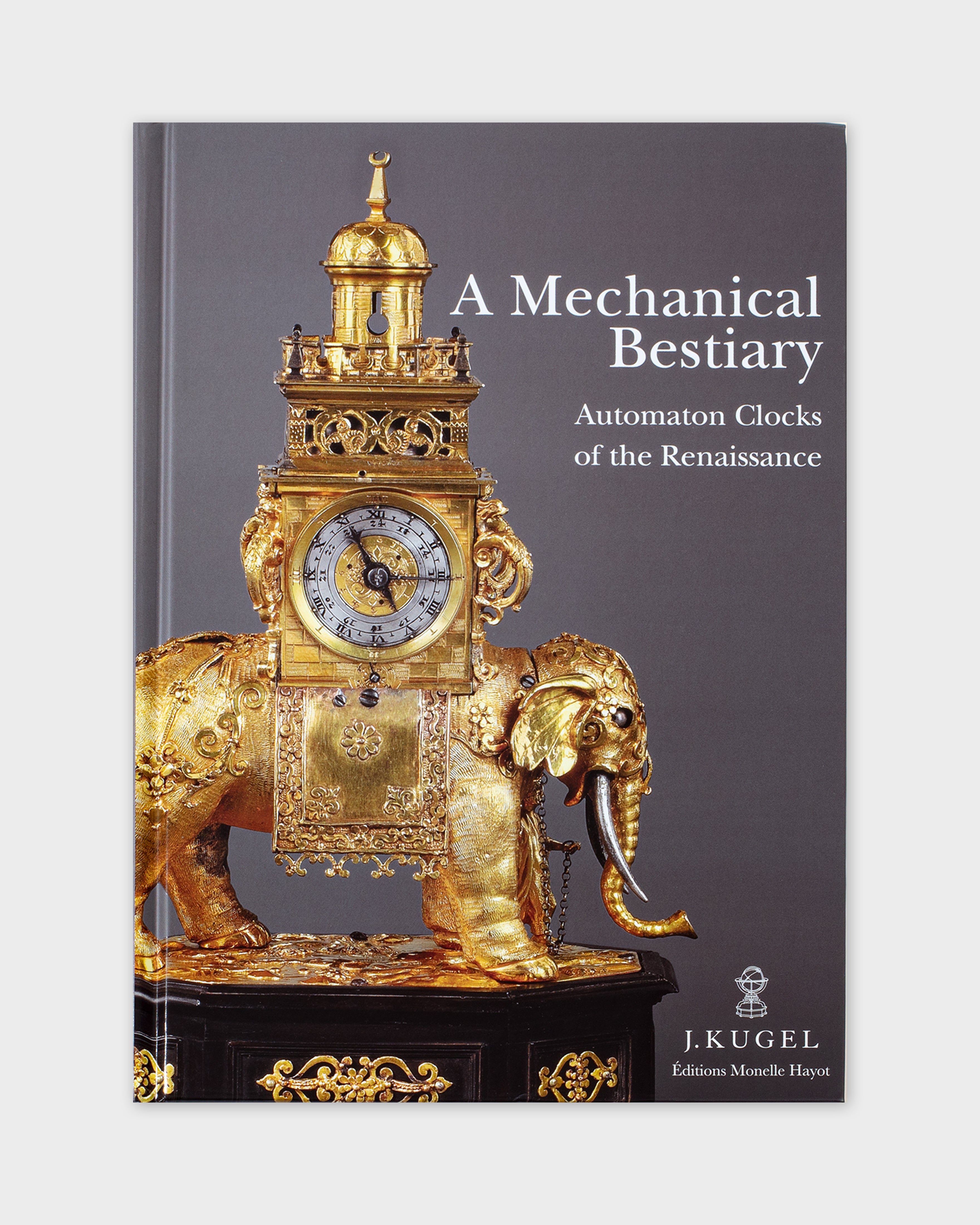
This exhibition, Galerie Kugel’s tenth, continues the tradition of seeking out little-known but fascinating fields in the art world. Renaissance automaton clocks have never been the subject of scientific study, authors of horological reference works devoting at best merely a chapter to them.
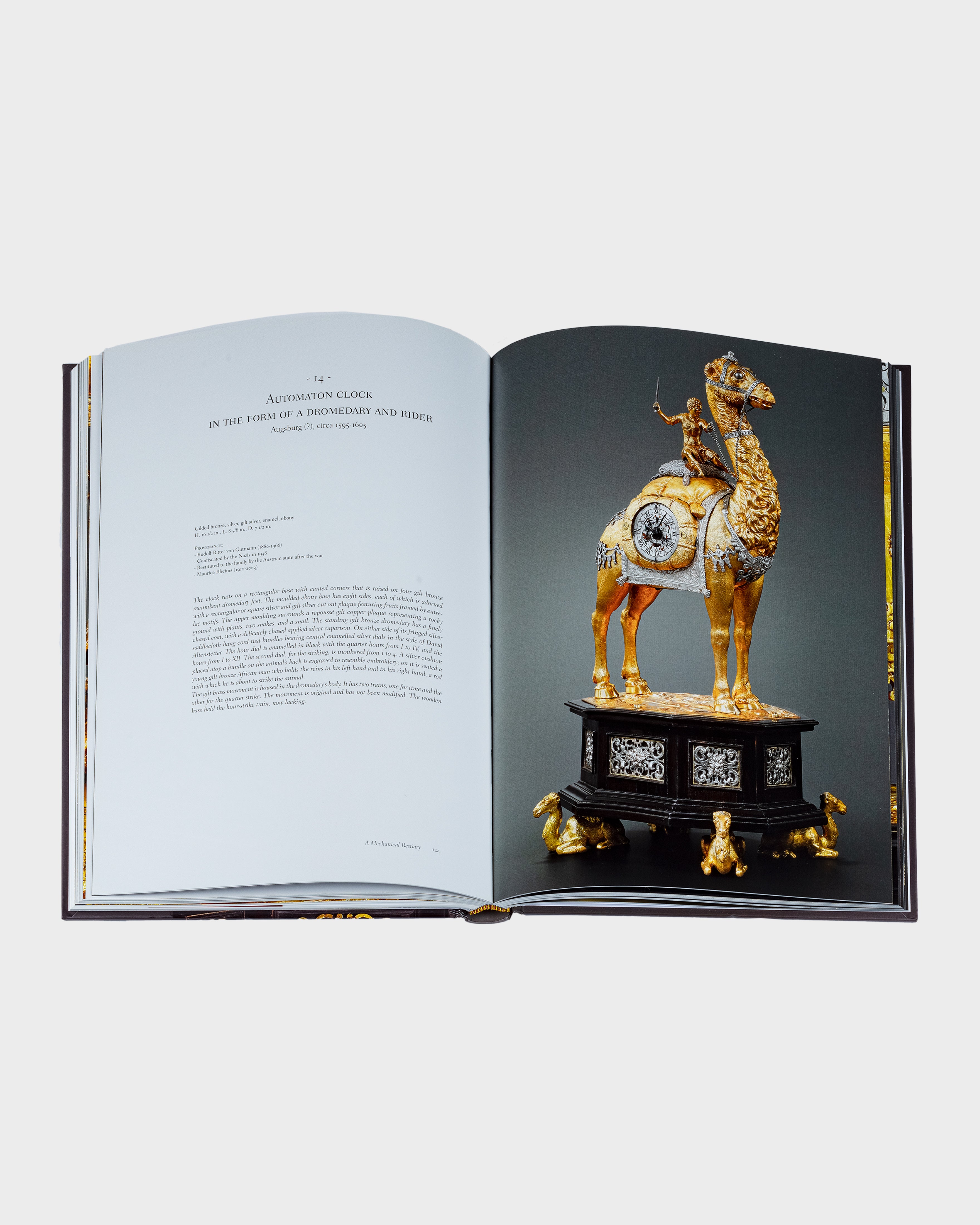
These automaton clocks date from 1580 to 1630 and were for the most part created in Augsburg, the main German artistic centre of the time. These wonderful objects combine the arts of sculpture and horology. Rivalling in fantasy and ingenuity, they fascinated the European courts. Today, they can be found in museums holding great princely collections in Vienna, Dresden, Munich. Automaton clocks were also used as diplomatic presents.
The thirty-one automaton clocks presented in this exhibition and book are the largest group ever displayed. While studying them we have made surprising discoveries. For example, the troubling similarities between some of the most extraordinary anonymous clocks displayed here: the Elephant (cat. 3), the large Pacing Lion and his Tamer (cat. 7), the large Seated Lion (cat. 9), and the Chariot of Bacchus (cat. 11), which strongly argue for their having been produced in the same workshop. Among all the clocks published in this book, only one comes from Nuremberg (cat. 21). The chronological presentation that we chose also led us to rethink the conventional dating of certain pieces.
The title “Mechanical Bestiary” is somewhat restrictive, for among the clocks presented here, a quarter represent human figures without animals, and certain pieces possess no mechanical movements. Yet the thirty-one pieces assembled here clearly form a homogeneous and coherent whole. All were created for the same reason: to amuse and delight the collectors of their time.
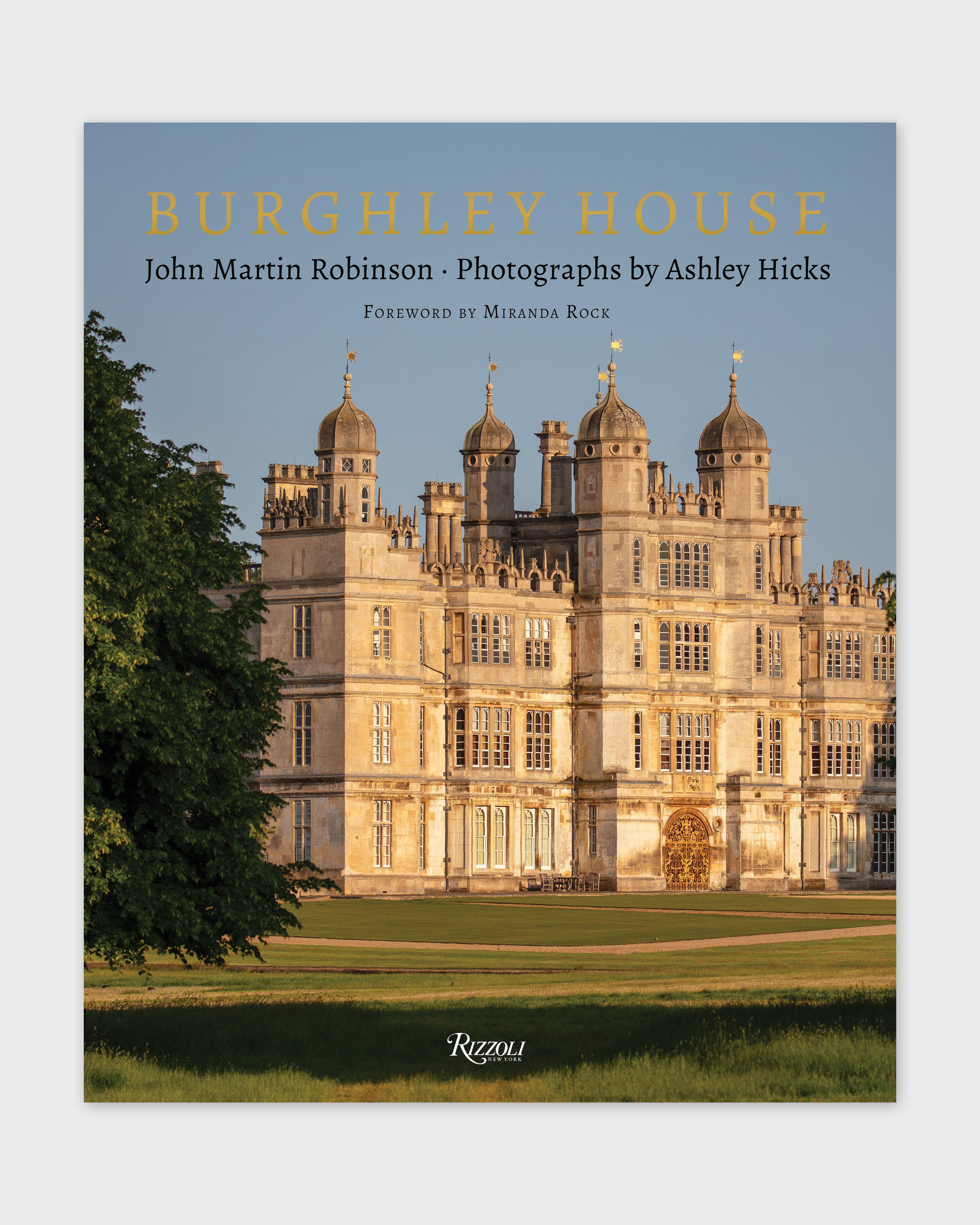
Words by John Martin Robinson
Photographs by Ashley Hicks
Conceived by William Cecil, Lord High Treasurer to Queen Elizabeth I, and built between 1555 and 1587, Burghley House is a testament to the ambition and vision of the most powerful courtier of the first Elizabethan age.
Designed by Cecil himself, in consultation with the Dutch Renaissance architect and painter Hans Vredeman de Vries, the architecture and interiors at Burghley reflect a mix of contemporary fashionable influences. The house’s facades are each markedly different, with a striking and ornate Gothic gatehouse beneath a roofline of cupolas and obelisks, and with French and Italian styles visible in the windows and pilasters. And inside, where the State Rooms house remarkable collections of furniture, textiles, and Old Master paintings acquired over the centuries, Cecil’s Gothic-style Old Kitchen remains alongside the magnificent Renaissance staircase and Italianate fireplace in the Great Hall.
From Burghley’s inception as Cecil’s “prodigy house” to its remarkable renovation and the development of its parklands by Capability Brown in the eighteenth century, to the estate’s preservation efforts today, this is a rare and detailed look inside one of the gems in the British landscape. With sumptuous photography made specially for the book and imagery drawn from Burghley’s private archives, this book is a privileged tour of Burghley House and its remarkable history.
Published by Rizzoli
Delivery in 2 weeks
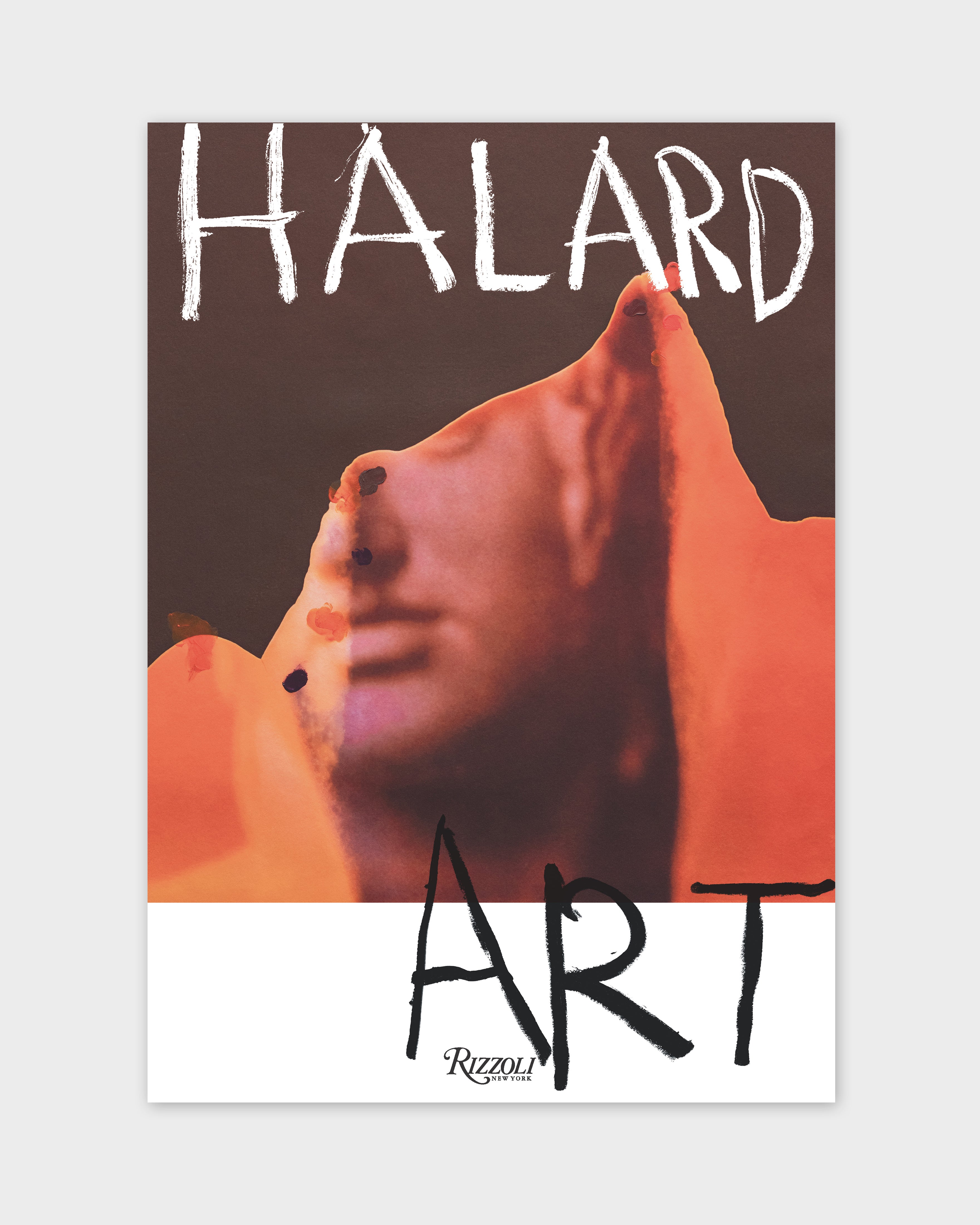
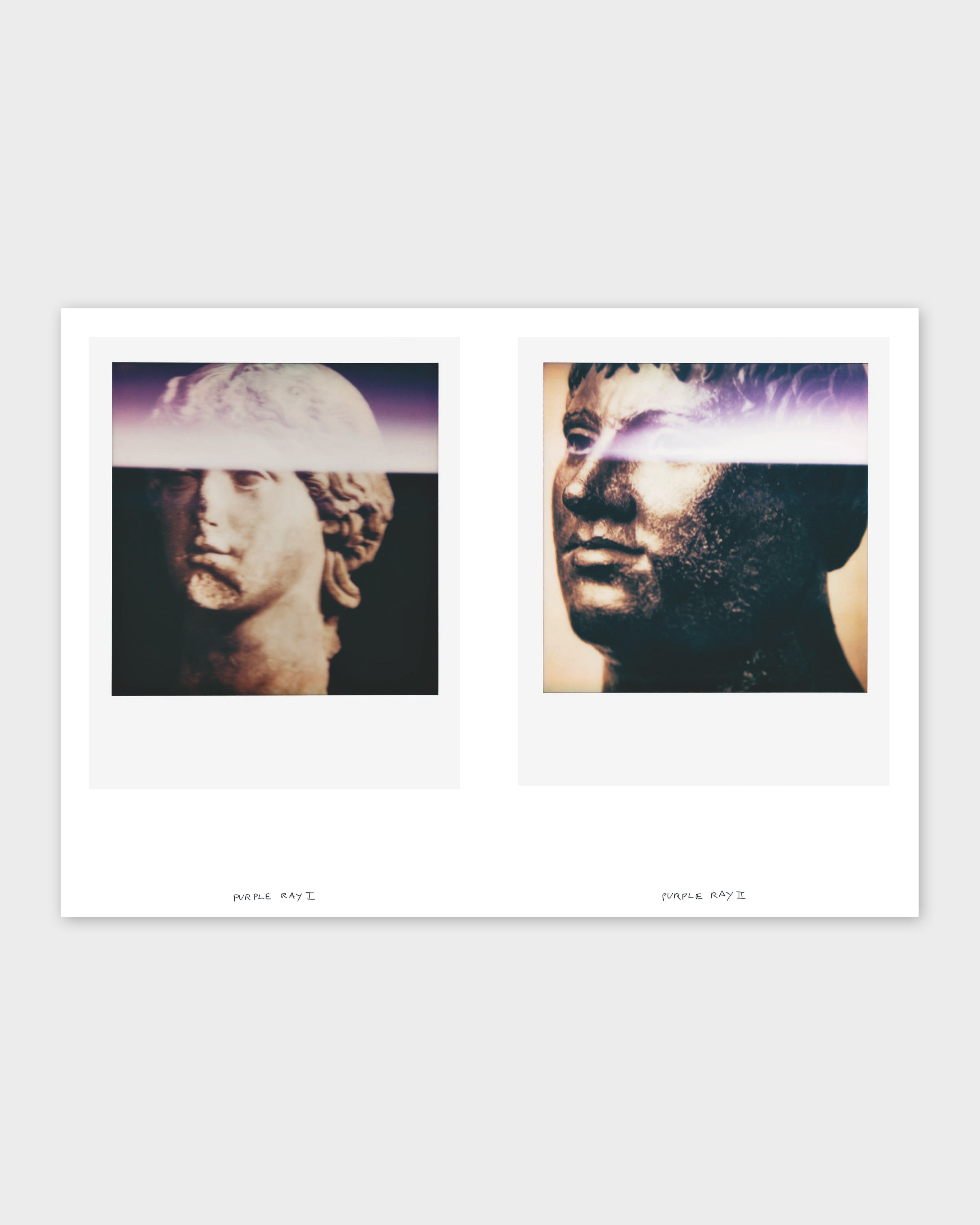
Words by Francois Halard
The master photographer’s compelling images of his two most intimate passions: art and flowers.
“His photography has an innate capacity to evoke emotion and tell stories that linger in the mind long after the image is seen,” writes Dries Van Noten in the foreword to this two-volume series of images.
Long revered for his personal photography of the world’s most celebrated buildings and interiors, Halard strikes a new path with two new bodies of work. Confined to his house in Arles after a shoulder injury in early 2024, Halard began photographing the objects immediately surrounding him with his Polaroid camera. In turns traditional and abstract, the Flowers series is a captivating exploration of nature’s beauty. As beautifully described by fashion designer Dries Van Noten, “The Polaroid captures a fleeting moment, blossoming into a lasting memory, while the real flower, vibrant and alive, ultimately withers away, reminding us that beauty can be both preserved and ephemeral.”
In the second series, Art, Halard has enlarged a select number of his Polaroids, which he then worked on top with paint, wax, and other materials to give the final results a strong, layered sense of history and memory. Many of the images are made of ancient statuaries or details of Renaissance paintings from Italy and Greece—the tight crop of a marble head, or the folds of 15th-century drapery. “I am delving into the idea that antiquity can be modern,” Halard states in his interview with art curator Bice Curiger, “I like to start with a specific object to turn it into another, transitory object.” Halard’s transformation of the ephemeral into the permanent, in the case of his flowers; and the permanent into the ephemeral, in the case of his Classical-inspired artworks—give power and beauty to these compelling images.
Published by Rizzoli
Delivery in 2 weeks
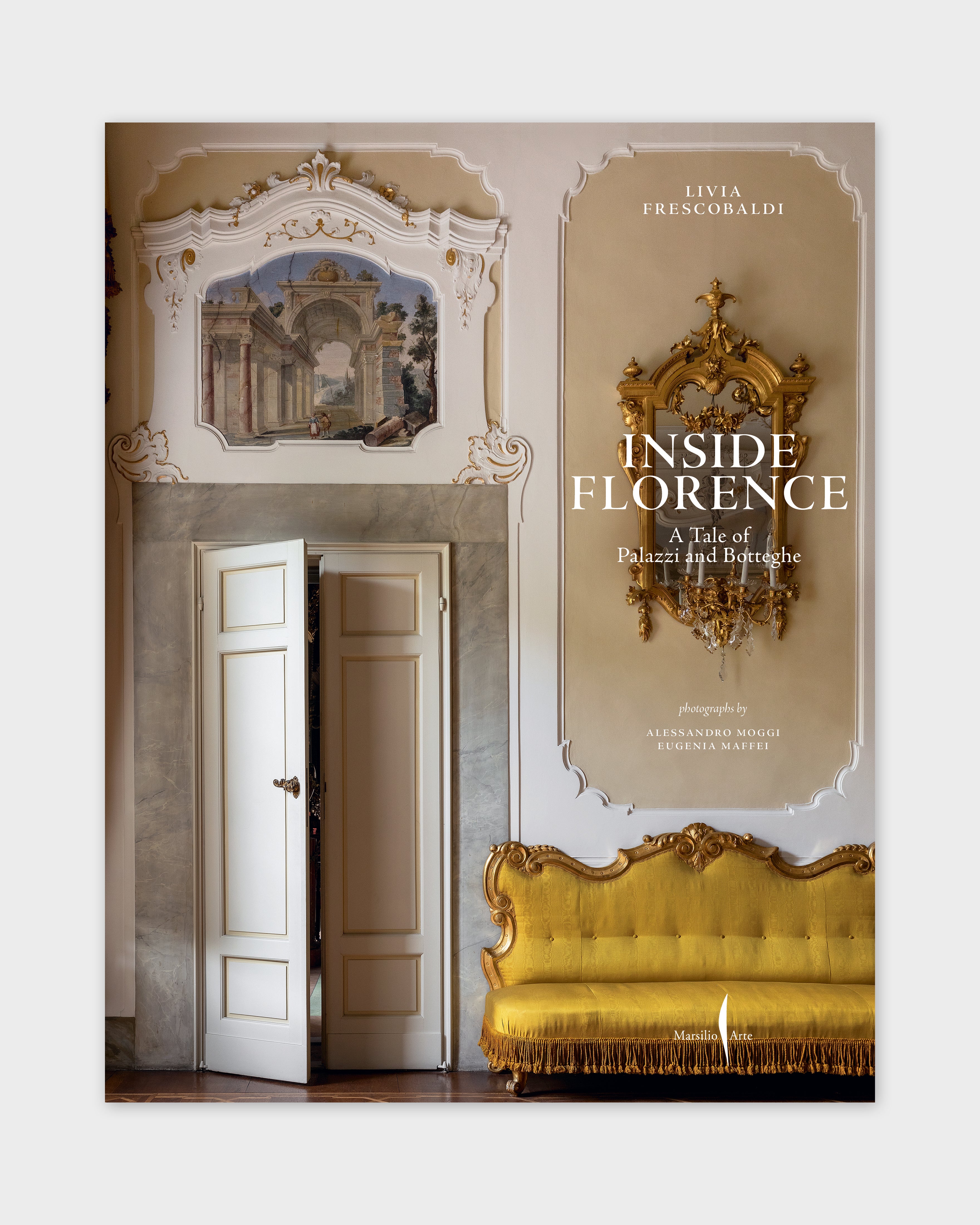
Words by Livia Frescobaldi
Photographs by Alessandro Moggi, Eugenia Maffei
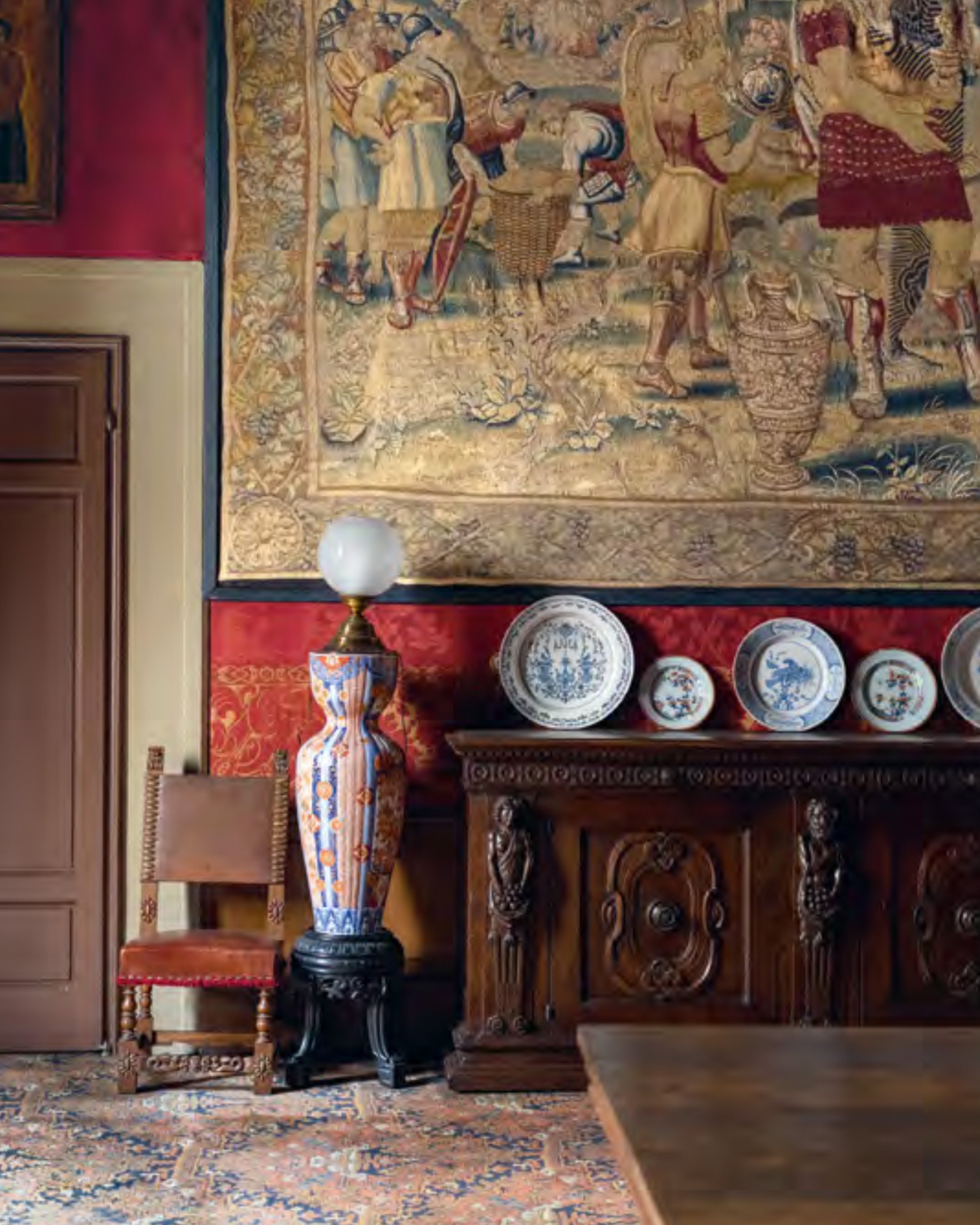
The home “is the place of return,” it is where “memory is”. I agree fully with Emanuele Coccia in his consideration that the setting of our private lives, the one that is most intimate and most familiar to us, is an expression of culture like a work of art or a monument of which we study the origins, the provenance and the material, craving to know and understand everything. -Livia Frescobaldi
Inside Florence, published by Marsilio Arte, offers an original account of Florence stemming from a love for the preservation of its places and the desire to offer an intimate and fresh look at the beauty and age-old skills of the city’s artisan workshops, which make the Tuscan capital one of the most admired cities in the world.
The splendid views, the meticulous details of the furnishings, the framing of the images, the care and attention in narrating and describing the opulence and refinement of the Florentine residences, are just some of the elements that author Livia Frescobaldi has selected to trace out an itinerary revealing her favourite places.
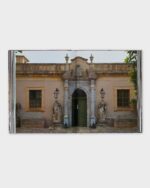
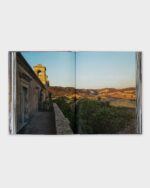
Through the photography of Alessandro Moggi and Eugenia Maffei, the book appears almost like a fresco with infinite scenarios, the protagonists of which are the heirs of a thousand-year-old history, in a difficult balance between modernity and tradition. There are sixteen sections for sixteen residences – ranging from palaces and gardens to former monasteries – each linked to a specific form of craftsmanship: the first pairing described is that between Palazzo Frescobaldi and the Antico Setificio Fiorentino, with a union rendered indissoluble by the customised Frescobaldi fabric, which has been in production since time immemorial. Inside Florence does not merely hold up a mirror to Florence’s architectural and artistic wealth, but is also an act of love towards those professional artisans who, as Leonardo Ferragamo states in his introductory text, ‘continue to create the history of the future with their ingenious, persevering and dedicated passion’.
Enriched and enhanced by the introductions of Eugenio Giani, President of the Region of Tuscany, and Bernabò Bocca, President of the Fondazione CR Firenze, the books stresses the uniqueness and historic nature of the city of Florence, that jealously guards its art professions and artisan workshops, its well-known palaces and more hidden ones, its gardens and spaces dedicated to contemporary times. The itinerary proposed in its pages has been planned for those who want to live Florence, rather than just visit it.
Published by Marsilio Arte
Words by Maria Speake
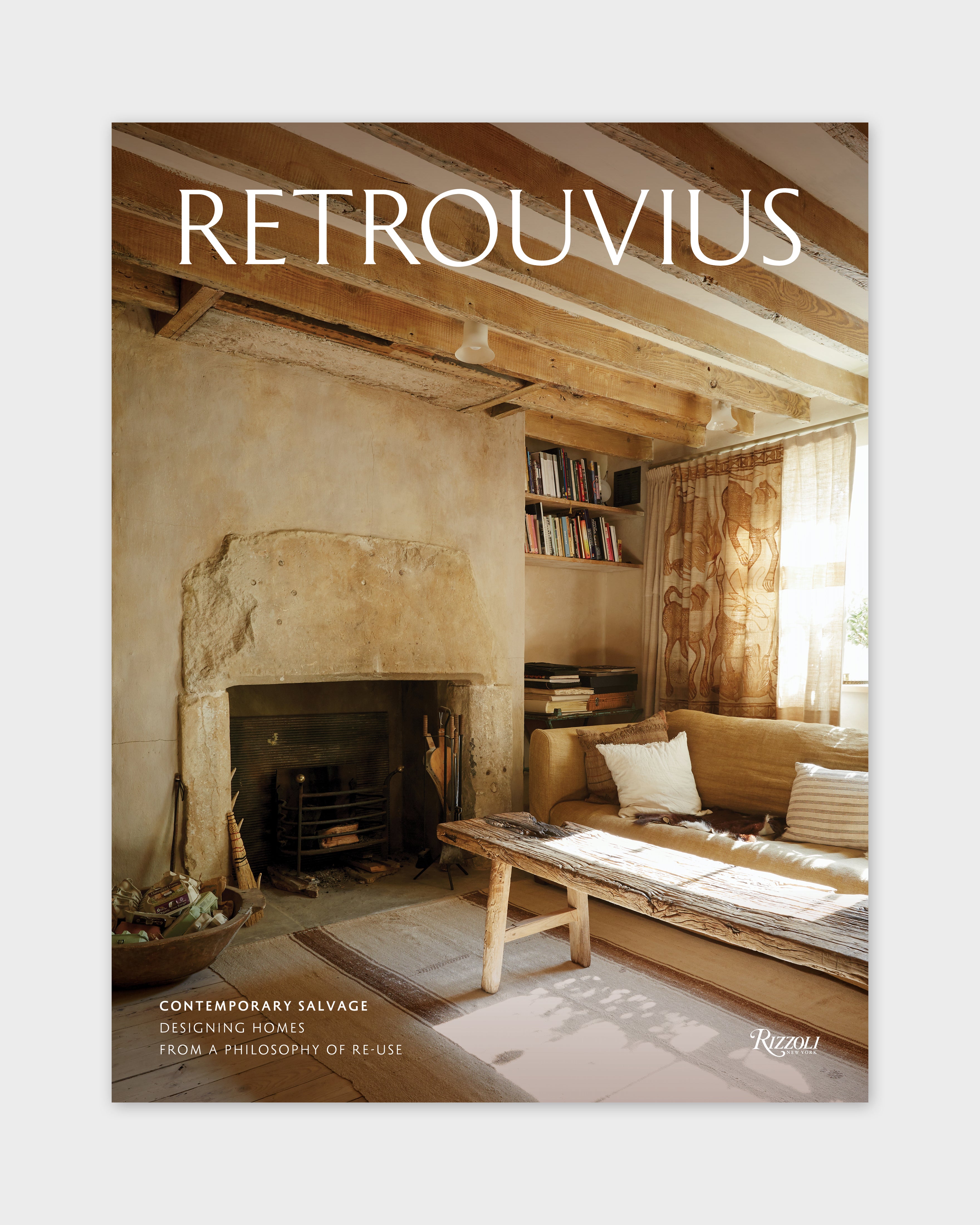
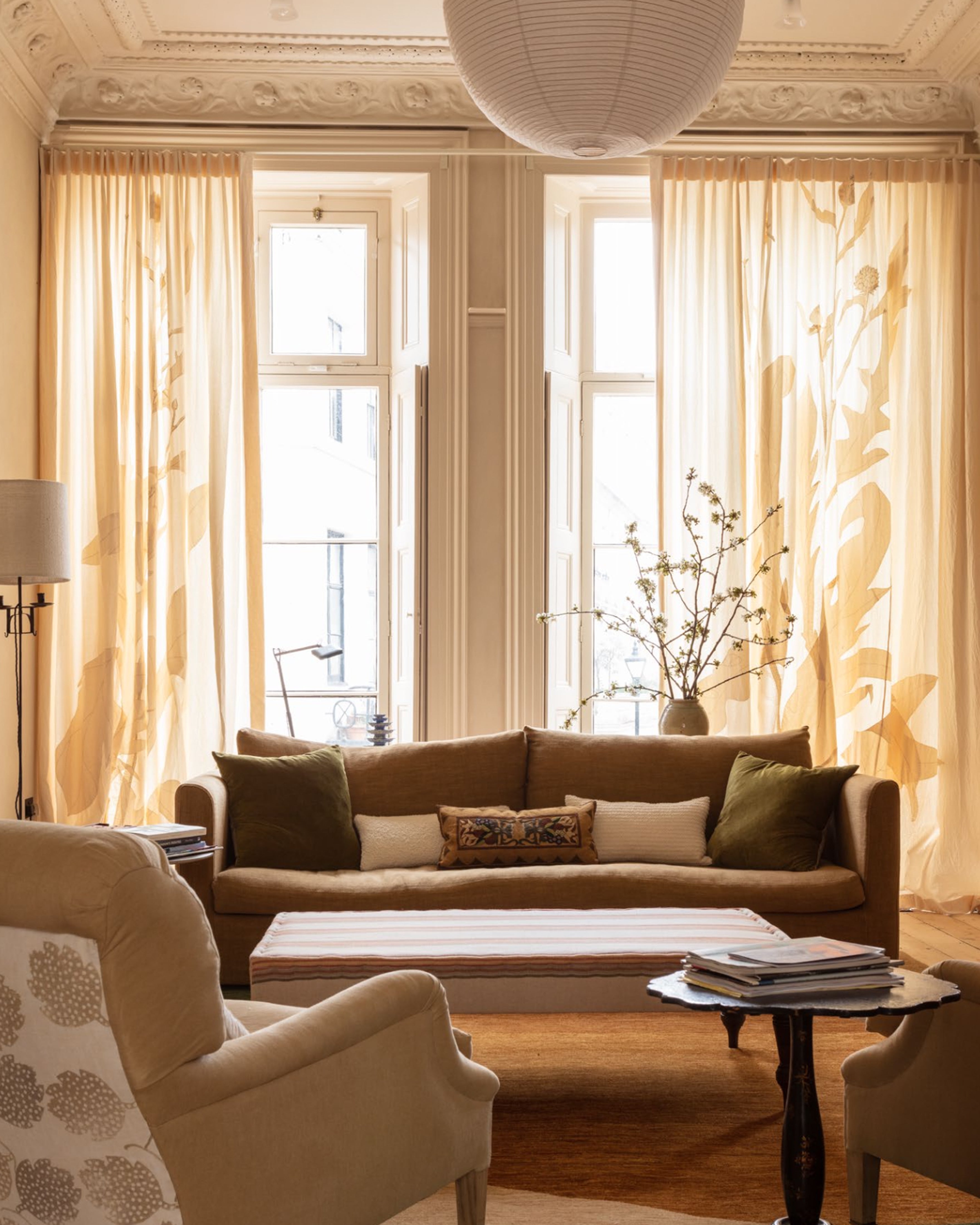
London-based design studio Retrouvius has carved a unique and important niche in the interior design and architecture spheres by blending architectural salvage with innovative design. Every project is a reinvention of the past and a promise made to our shared future.
In a world increasingly defined by the fleeting and the disposable, Retrouvius stands as a beacon of sustainability, creativity, and enduring beauty in interior design. Each space transformed by the studio is imbued with a history and a character uniquely its own, and a deep respect and sensitivity for original, historic designs and materials.
As interior designers and architects increasingly adopt sustainable practices to reduce their environmental footprint, Retrouvius has been discovering new life in the old and patinaed, new purpose in the centuries overlooked. Its work is a testament to the belief that sustainability can be synonymous with sophistication, and that the past can beautifully and intelligently inform the present.
This important volume is an invitation to explore the world of Retrouvius through the design studio’s most significant projects. Through stunning photography and insightful texts, this book journeys into the heart of spaces that are as functional as they are artful, as timeless as they are tailored to contemporary living.
Published by Rizzoli
Delivery in 2 weeks
No account yet?
Create an Account