









Words by Alexis Kugel
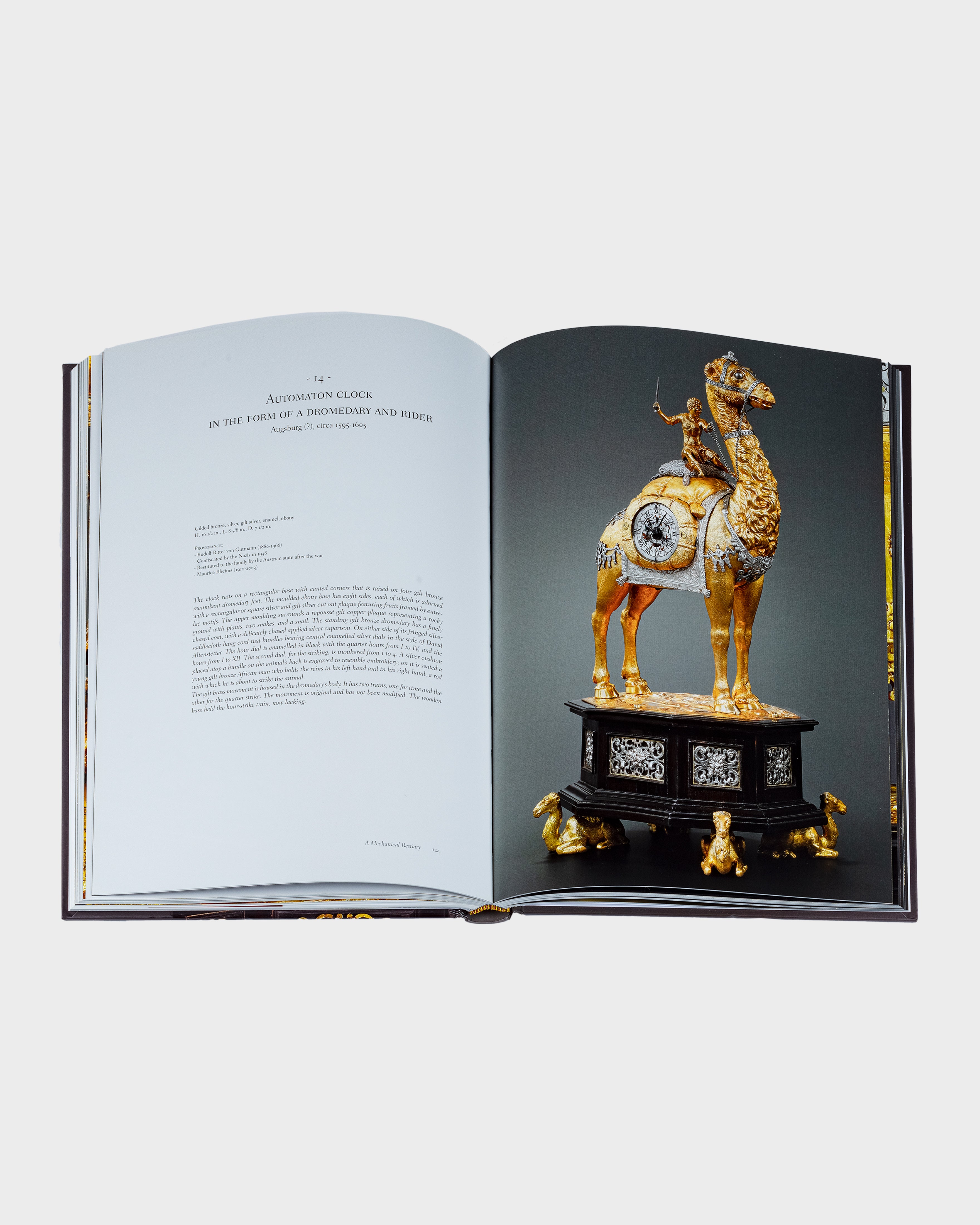
This exhibition, Galerie Kugel’s tenth, continues the tradition of seeking out little-known but fascinating fields in the art world. Renaissance automaton clocks have never been the subject of scientific study, authors of horological reference works devoting at best merely a chapter to them.
These automaton clocks date from 1580 to 1630 and were for the most part created in Augsburg, the main German artistic centre of the time. These wonderful objects combine the arts of sculpture and horology. Rivalling in fantasy and ingenuity, they fascinated the European courts. Today, they can be found in museums holding great princely collections in Vienna, Dresden, Munich. Automaton clocks were also used as diplomatic presents.
The thirty-one automaton clocks presented in this exhibition and book are the largest group ever displayed. While studying them we have made surprising discoveries. For example, the troubling similarities between some of the most extraordinary anonymous clocks displayed here: the Elephant (cat. 3), the large Pacing Lion and his Tamer (cat. 7), the large Seated Lion (cat. 9), and the Chariot of Bacchus (cat. 11), which strongly argue for their having been produced in the same workshop. Among all the clocks published in this book, only one comes from Nuremberg (cat. 21). The chronological presentation that we chose also led us to rethink the conventional dating of certain pieces.
The title “Mechanical Bestiary” is somewhat restrictive, for among the clocks presented here, a quarter represent human figures without animals, and certain pieces possess no mechanical movements. Yet the thirty-one pieces assembled here clearly form a homogeneous and coherent whole. All were created for the same reason: to amuse and delight the collectors of their time.
Words by James B. Garrison
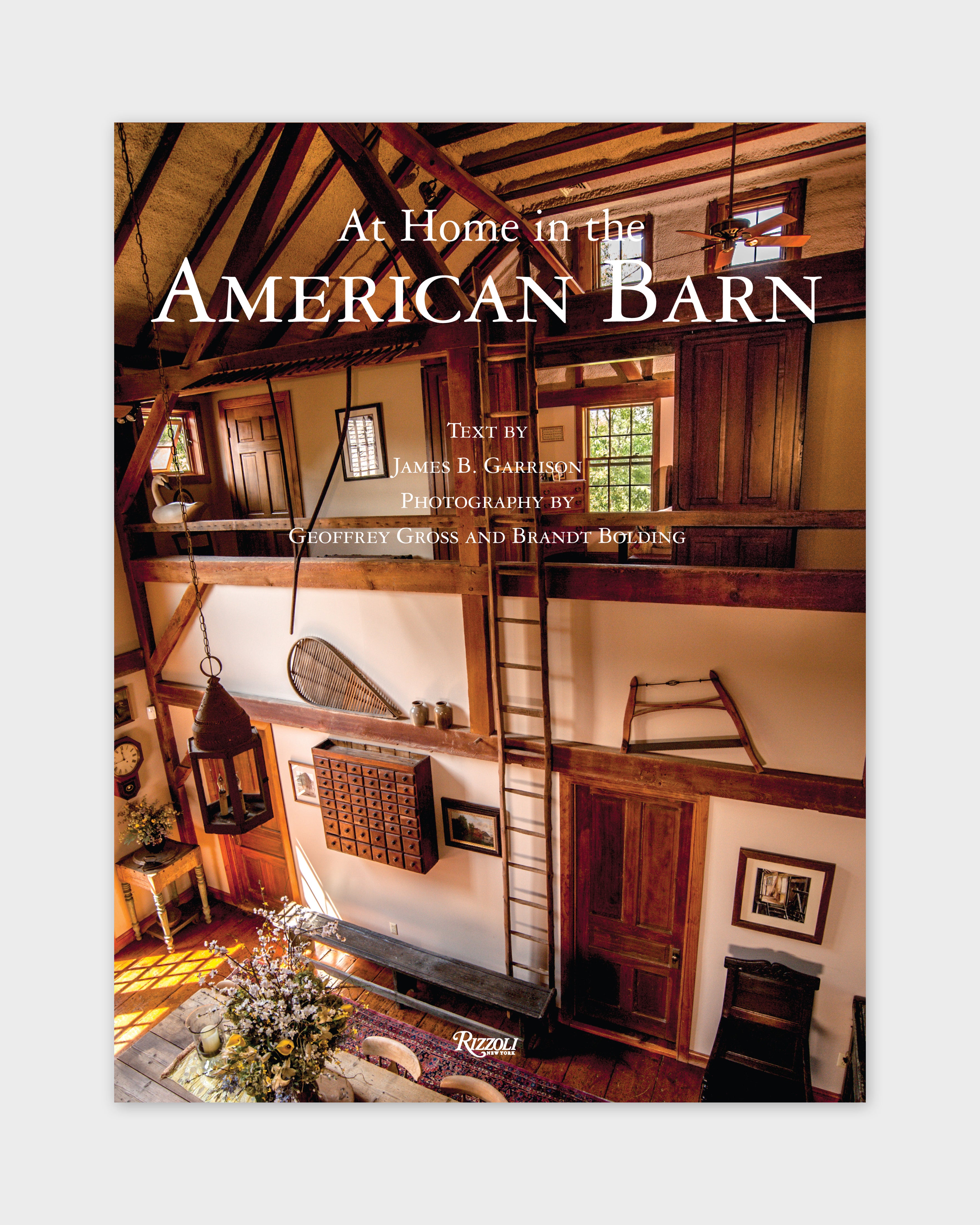
At Home in the American Barn examines the fascinating possibilities for living and adaptive reuse provided by the expansive spaces and rough-hewn look of these traditional structures. Nationwide, Americans are turning to structures such as the barn with a mind to renovating them to fit the lifestyles of today, redesigning these often-wonderful places of the past into residential spaces. At Home in the American Barn embraces the dream to slow things down and return to basics and shares some success stories, as made plain by the buildings themselves.This richly illustrated volume focuses on the barn as home. Each of the structures featured has been adapted from its original utilitarian purpose to allow for comfortable, joyous living. Built at first as places for work, barns nevertheless often demonstrate fine craftsmanship and artistry. This volume emphasizes the rare beauty of these structures and shows throughout elegant solutions for living in these beautifully imagined homes. Soaring rafters here allow for dramatic chandeliers in one home or a wall of magnificent bookcases in another. Spaces that are unconventional in a traditional domestic sense here serve as springboards for inspiration that allow for, in one home, a spiral staircase of fantasy made from hand-planed wood, and, in another, a wall of glass that lets in the sun. At Home in The American Barn shows the way that this can be done successfully and artfully.
Published by Rizzoli
Delivery in 2 weeks

Words by Emile de Bruijn
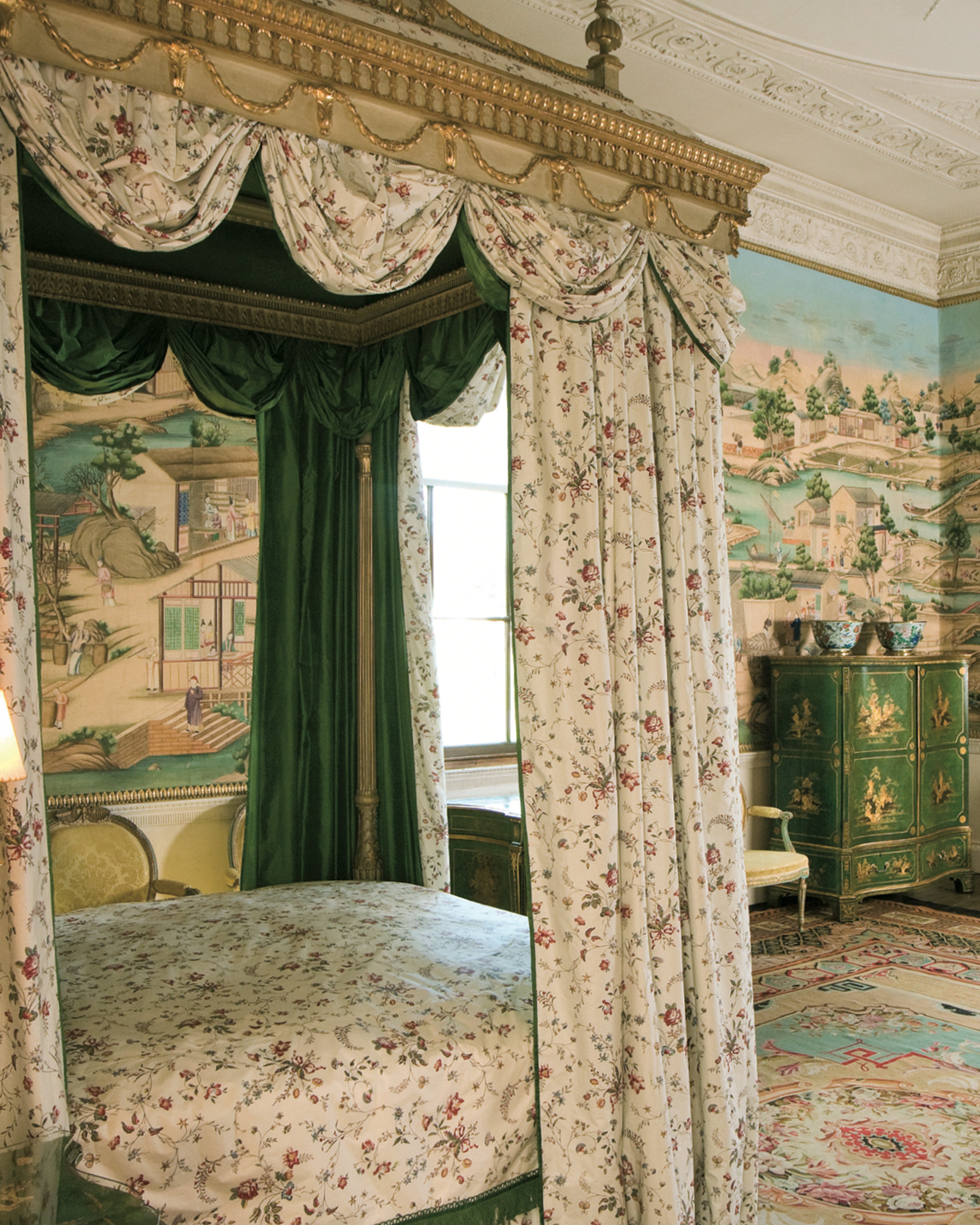
Chinese wallpaper has been an important element of western interior decoration for three hundred years. As trade between Europe and China flourished in the seventeenth century, Europeans developed a strong taste for Chinese art and design. The stunningly beautiful wall coverings now known as 'Chinese wallpaper' were developed by Chinese painting workshops in response to western demand. A sophisticated synthesis of eastern and western art, Chinese wallpapers were an early-modern global product and they are still popular and influential today.
In spite of their spectacular beauty, Chinese wallpapers have not been studied in any depth until relatively recently. This book provides an overview of some of the most significant Chinese wallpapers surviving in the British Isles. Sumptuously illustrated, it shows how these wallpapers became a staple ingredient of high-end interiors while always retaining a touch of the exotic.
The book charts the stylistic development of Chinese wallpaper, allowing individual wallpapers to be more securely dated. It also touches on the China trade, the crucial role of the paper-hangers and the social significance of Chinese-style decoration in Britain.
This is a ground-breaking resource for both scholars and designers, as well as for anyone interested in historic interior design.
Published by Bloomsbury Publishing
Magazine is a biannual publication, publishing each April and October. This subscription auto-renews with each issue launch.
When you subscribe today, your first charge will secure the upcoming Issue 24, shipping in mid-October. Your subscription will then renew in April 2026 for Issue 25, and continue with each subsequent issue. You will always receive an email notification before your subscription renews, and you may cancel at any time.
Magazine offers a truly immersive experience, aiming to inspire generations of globe trotters through striking photography, thoughtful prose and beautiful graphic treatments. Each issue features a cover partner with multiple cover patterns. Covers for each issue are selected at random. We are unable to guarantee specific covers at the time of delivery.
To stay informed about your subscription, please be sure to subscribe to our newsletter during checkout to receive important updates, including notifications about delivery, payment issues and cancellations.
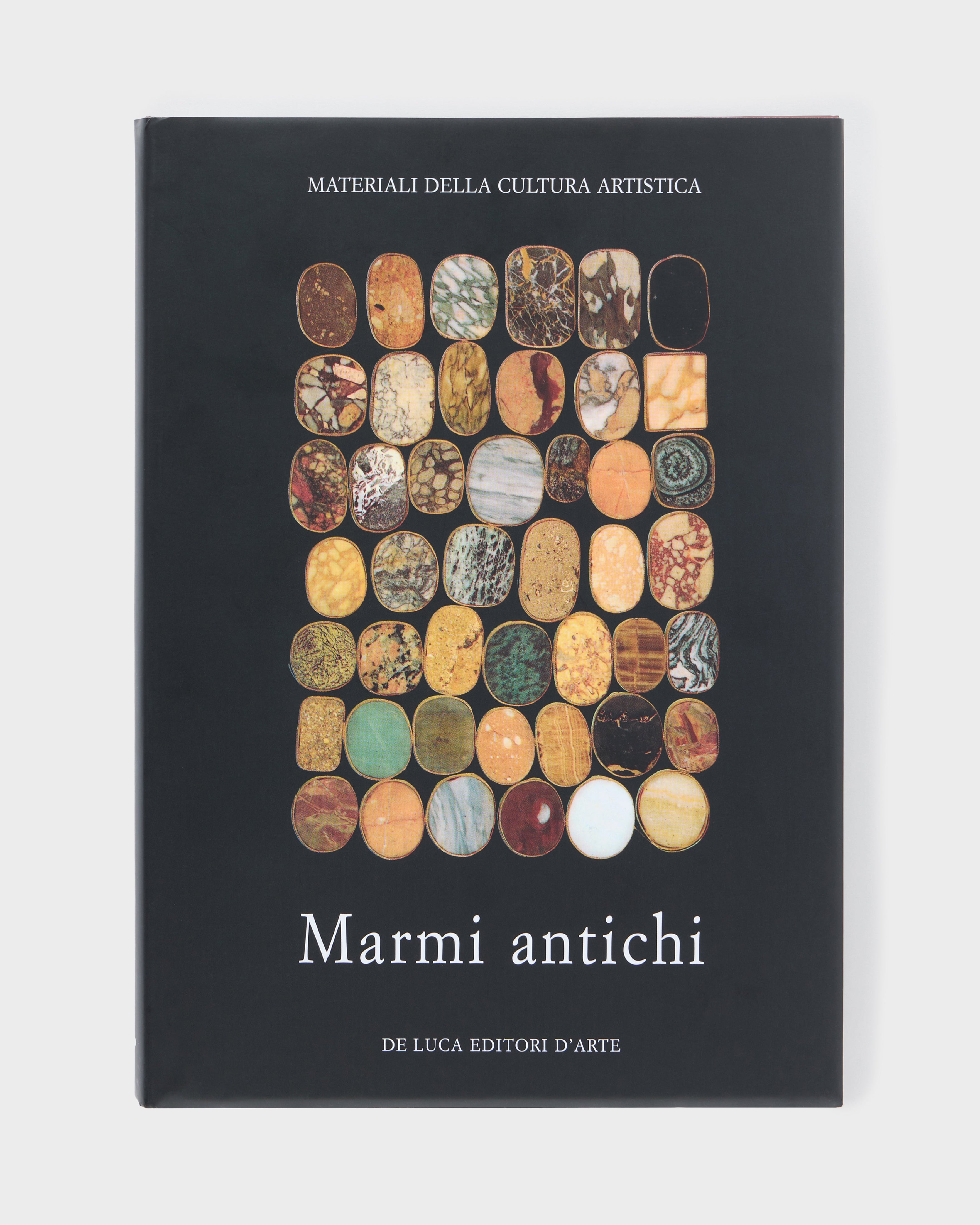
Edited by Gabriele Borghini
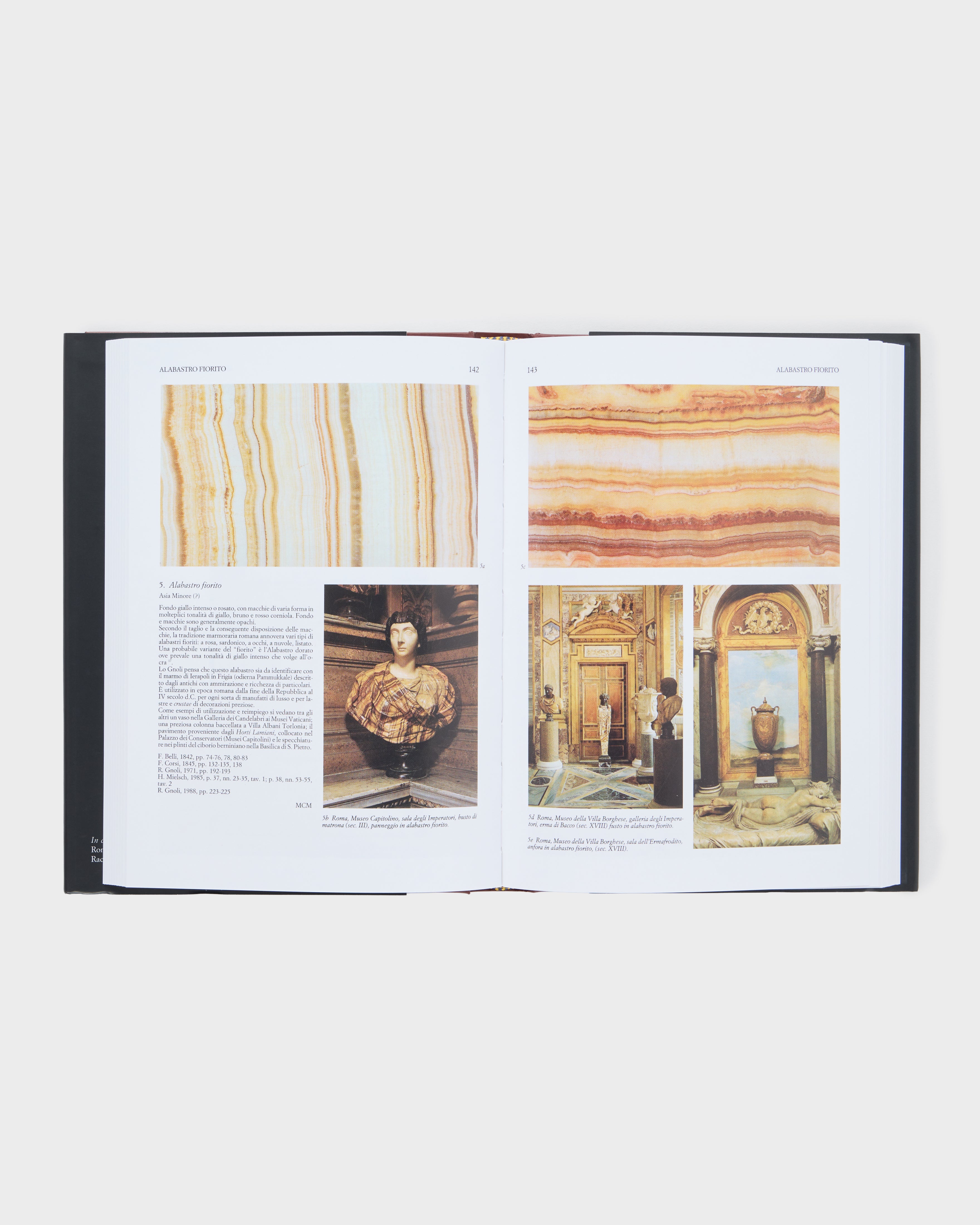
Marmi antichi is an essential reference work for restorers, art historians, and enthusiasts of classical materials. The book delves into the examination of raw stone and its processing, tracing a chronological arc from the Egyptians to the Romans. It continues by exploring medieval and modern practices of the "marmorari" (marble workers), including reuse, the Cosmati, and 17th-century specialized decorators. The volume concludes with a reasoned catalog of various marble types, providing valuable guidance for recognizing and assessing their aesthetic and structural characteristics.
Published by De Luca Editori
No account yet?
Create an Account