









Words by Alexis Kugel
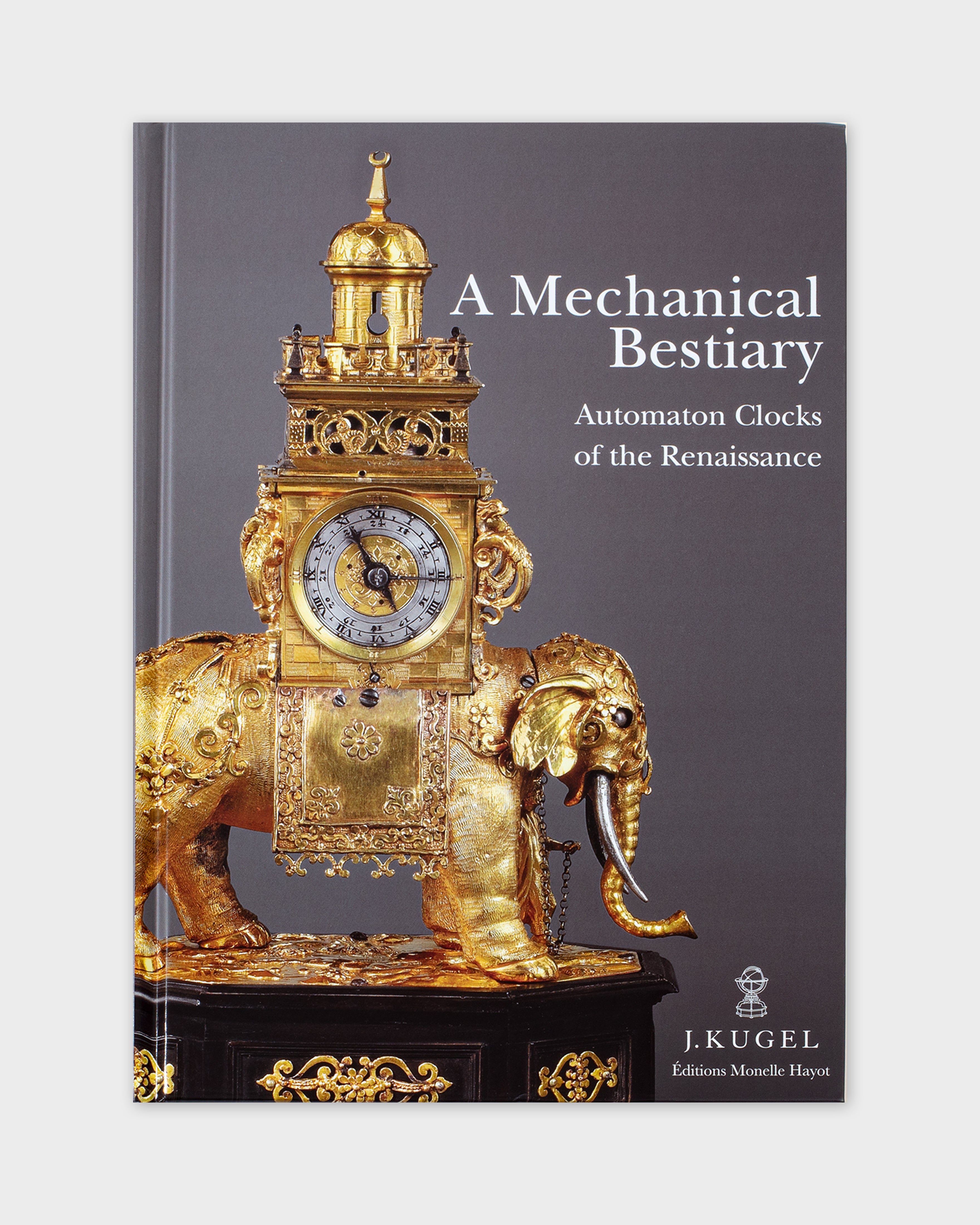
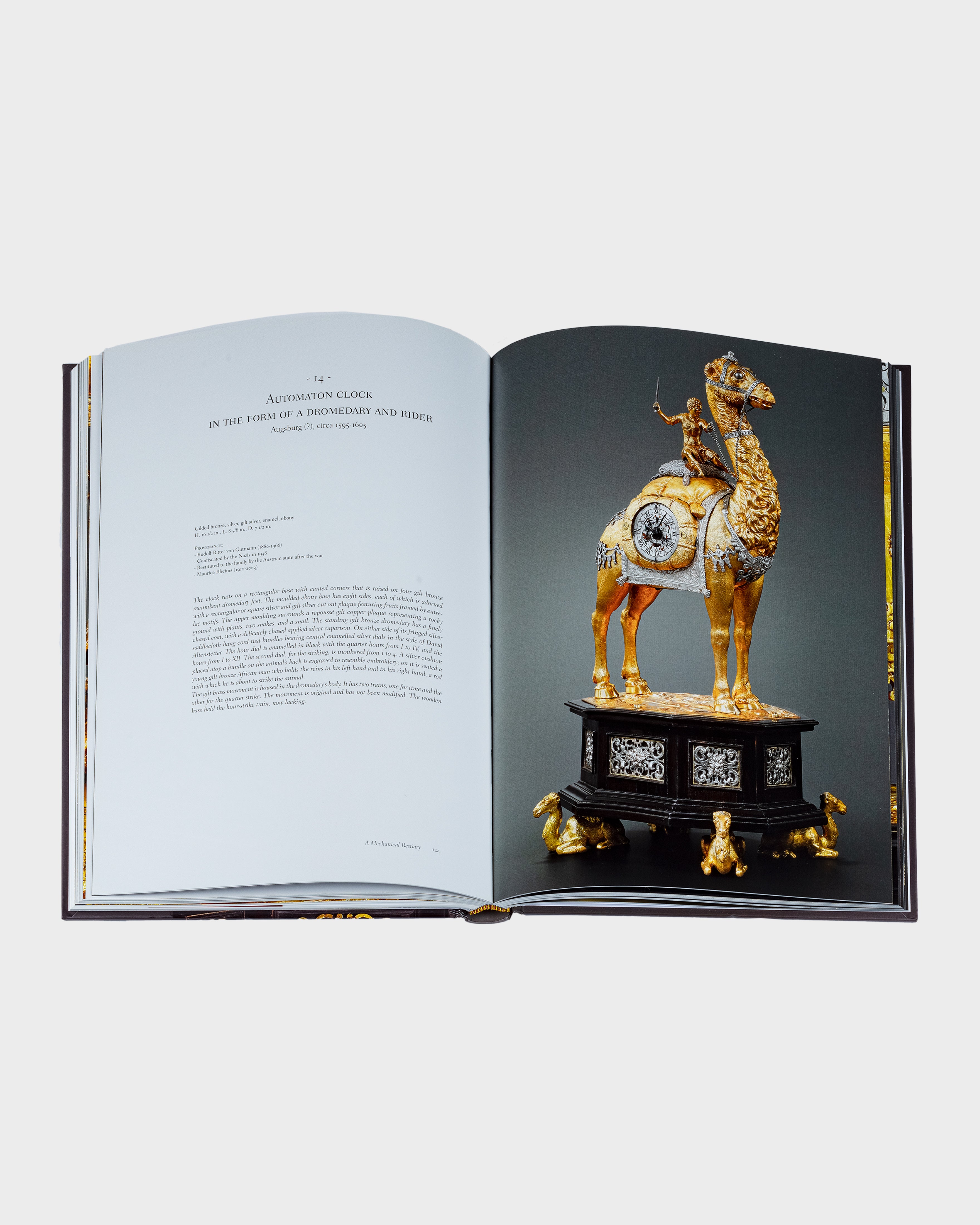
This exhibition, Galerie Kugel’s tenth, continues the tradition of seeking out little-known but fascinating fields in the art world. Renaissance automaton clocks have never been the subject of scientific study, authors of horological reference works devoting at best merely a chapter to them.
These automaton clocks date from 1580 to 1630 and were for the most part created in Augsburg, the main German artistic centre of the time. These wonderful objects combine the arts of sculpture and horology. Rivalling in fantasy and ingenuity, they fascinated the European courts. Today, they can be found in museums holding great princely collections in Vienna, Dresden, Munich. Automaton clocks were also used as diplomatic presents.
The thirty-one automaton clocks presented in this exhibition and book are the largest group ever displayed. While studying them we have made surprising discoveries. For example, the troubling similarities between some of the most extraordinary anonymous clocks displayed here: the Elephant (cat. 3), the large Pacing Lion and his Tamer (cat. 7), the large Seated Lion (cat. 9), and the Chariot of Bacchus (cat. 11), which strongly argue for their having been produced in the same workshop. Among all the clocks published in this book, only one comes from Nuremberg (cat. 21). The chronological presentation that we chose also led us to rethink the conventional dating of certain pieces.
The title “Mechanical Bestiary” is somewhat restrictive, for among the clocks presented here, a quarter represent human figures without animals, and certain pieces possess no mechanical movements. Yet the thirty-one pieces assembled here clearly form a homogeneous and coherent whole. All were created for the same reason: to amuse and delight the collectors of their time.
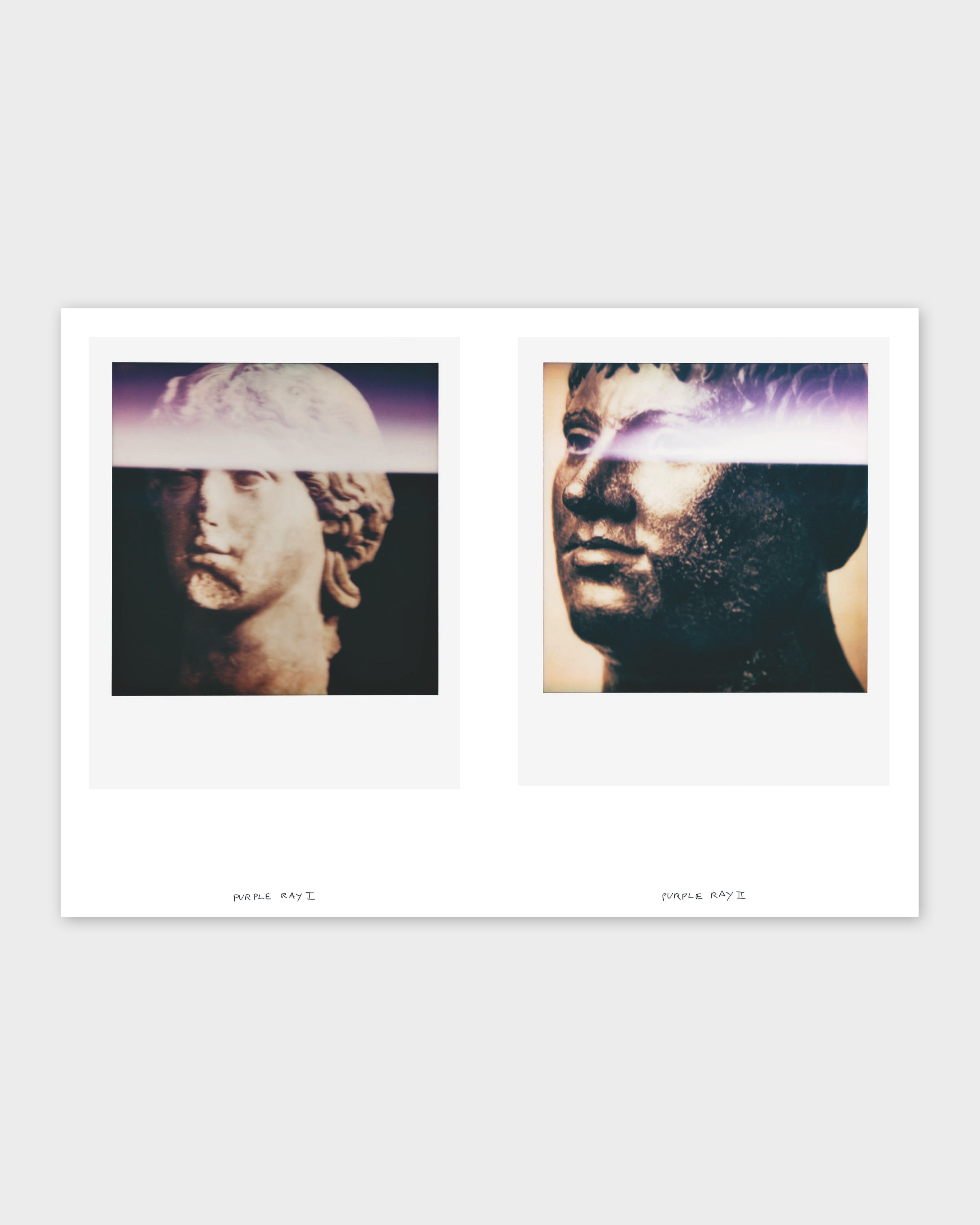
Words by Francois Halard
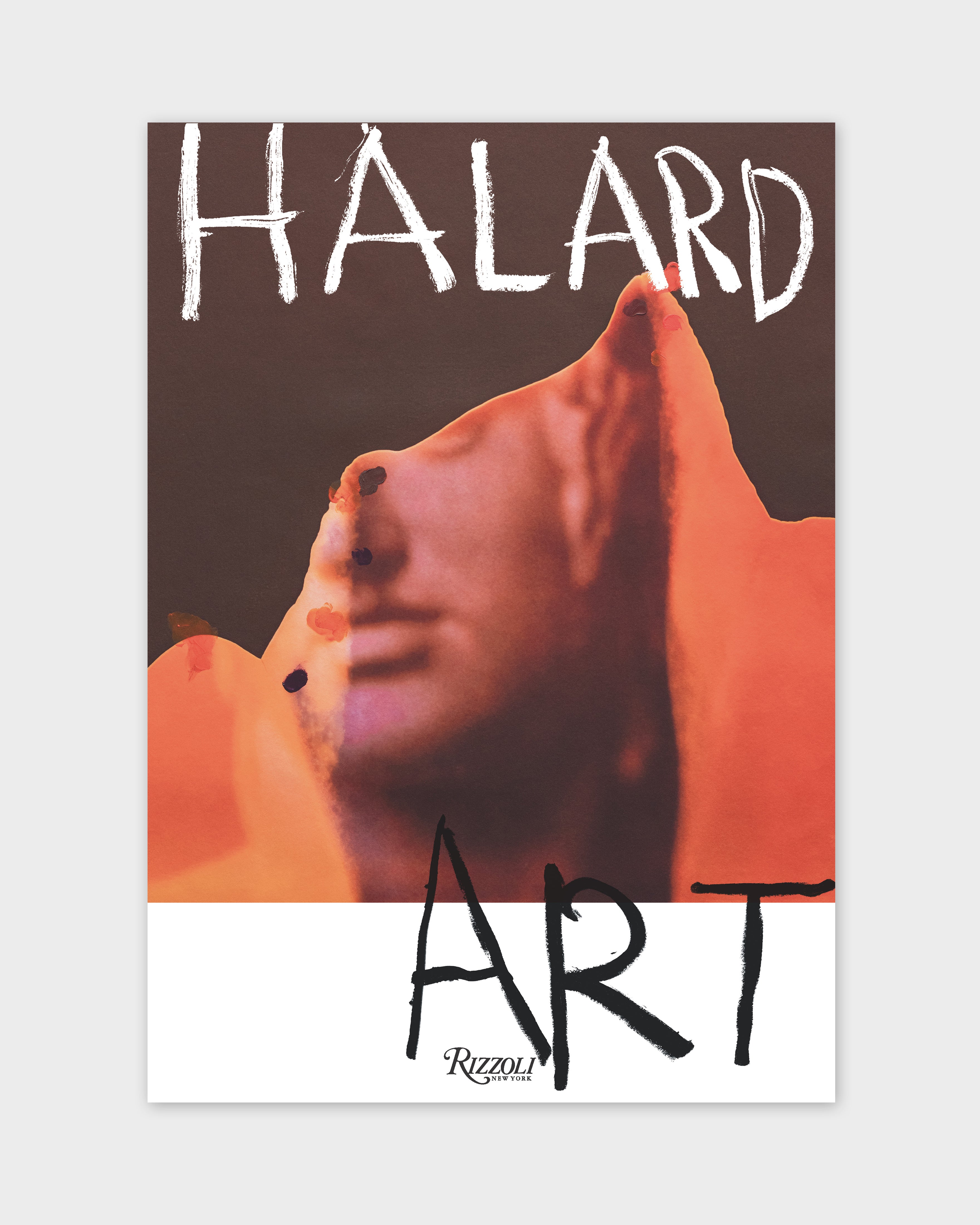
The master photographer’s compelling images of his two most intimate passions: art and flowers.
“His photography has an innate capacity to evoke emotion and tell stories that linger in the mind long after the image is seen,” writes Dries Van Noten in the foreword to this two-volume series of images.
Long revered for his personal photography of the world’s most celebrated buildings and interiors, Halard strikes a new path with two new bodies of work. Confined to his house in Arles after a shoulder injury in early 2024, Halard began photographing the objects immediately surrounding him with his Polaroid camera. In turns traditional and abstract, the Flowers series is a captivating exploration of nature’s beauty. As beautifully described by fashion designer Dries Van Noten, “The Polaroid captures a fleeting moment, blossoming into a lasting memory, while the real flower, vibrant and alive, ultimately withers away, reminding us that beauty can be both preserved and ephemeral.”
In the second series, Art, Halard has enlarged a select number of his Polaroids, which he then worked on top with paint, wax, and other materials to give the final results a strong, layered sense of history and memory. Many of the images are made of ancient statuaries or details of Renaissance paintings from Italy and Greece—the tight crop of a marble head, or the folds of 15th-century drapery. “I am delving into the idea that antiquity can be modern,” Halard states in his interview with art curator Bice Curiger, “I like to start with a specific object to turn it into another, transitory object.” Halard’s transformation of the ephemeral into the permanent, in the case of his flowers; and the permanent into the ephemeral, in the case of his Classical-inspired artworks—give power and beauty to these compelling images.
Published by Rizzoli
Delivery in 2 weeks
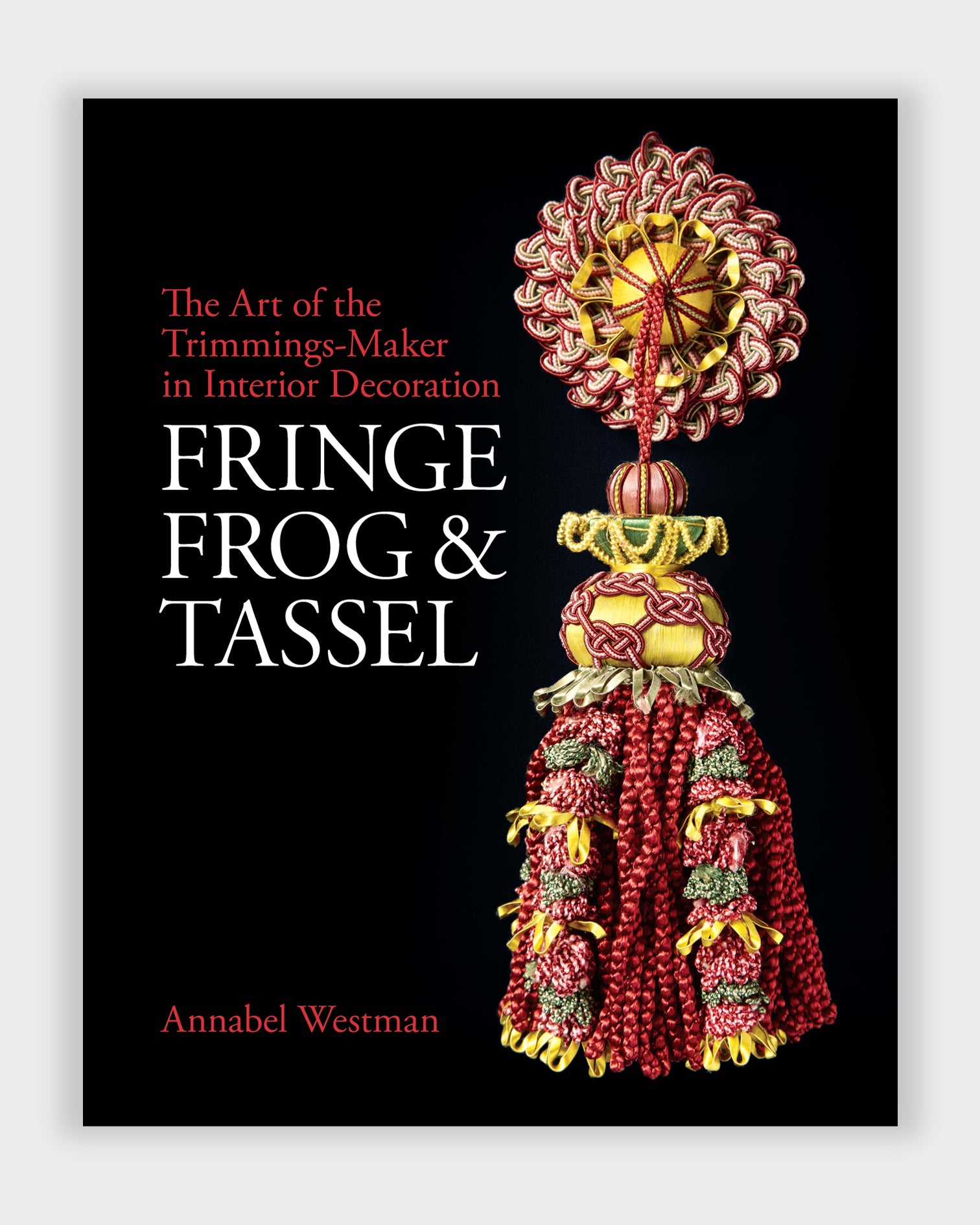
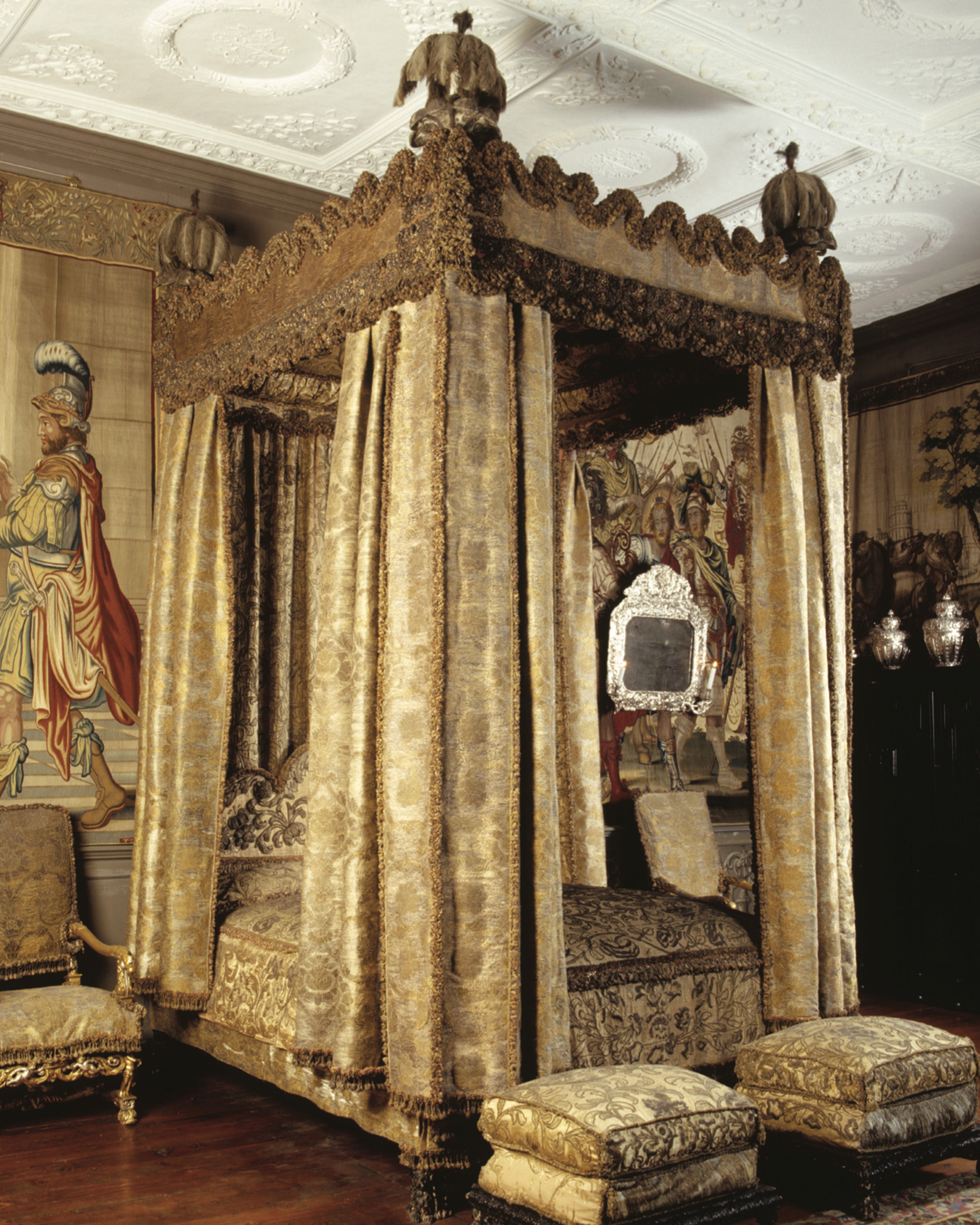
Words by Annabel Westman
Trimmings are often overlooked as mere details of a furnished interior. However, in the past they were seen as vital and costly elements in the decoration of a room. They were used not only on curtains and beds but also on wall hangings, upholstered seat furniture and cushions, providing a visual feast for the eye with their colour and intricate detail. Sometimes more expensive than the rich fabrics they enhanced, trimmings are often the only surviving evidence of a lost decorative scheme, reapplied to replacement textiles or found as fragments in the attic.
This book, the first of its kind, traces their history in Britain and Ireland from 1320 to 1970, examining the design and usage of tassels, fringe, braid (woven lace), gimp and cord and their dependence on French fashion. The substantial text links surviving items in historic houses and museums to written evidence, paintings, drawings and other primary sources to provide a firm framework for dating pieces of less-certain provenance. The importance of the 'laceman', the maker of these trimmings, is also examined within an economic and social context, together with the relationship to the upholsterer and interior decorator in the creation of a fashionable room.
Published by Bloomsbury Publishing
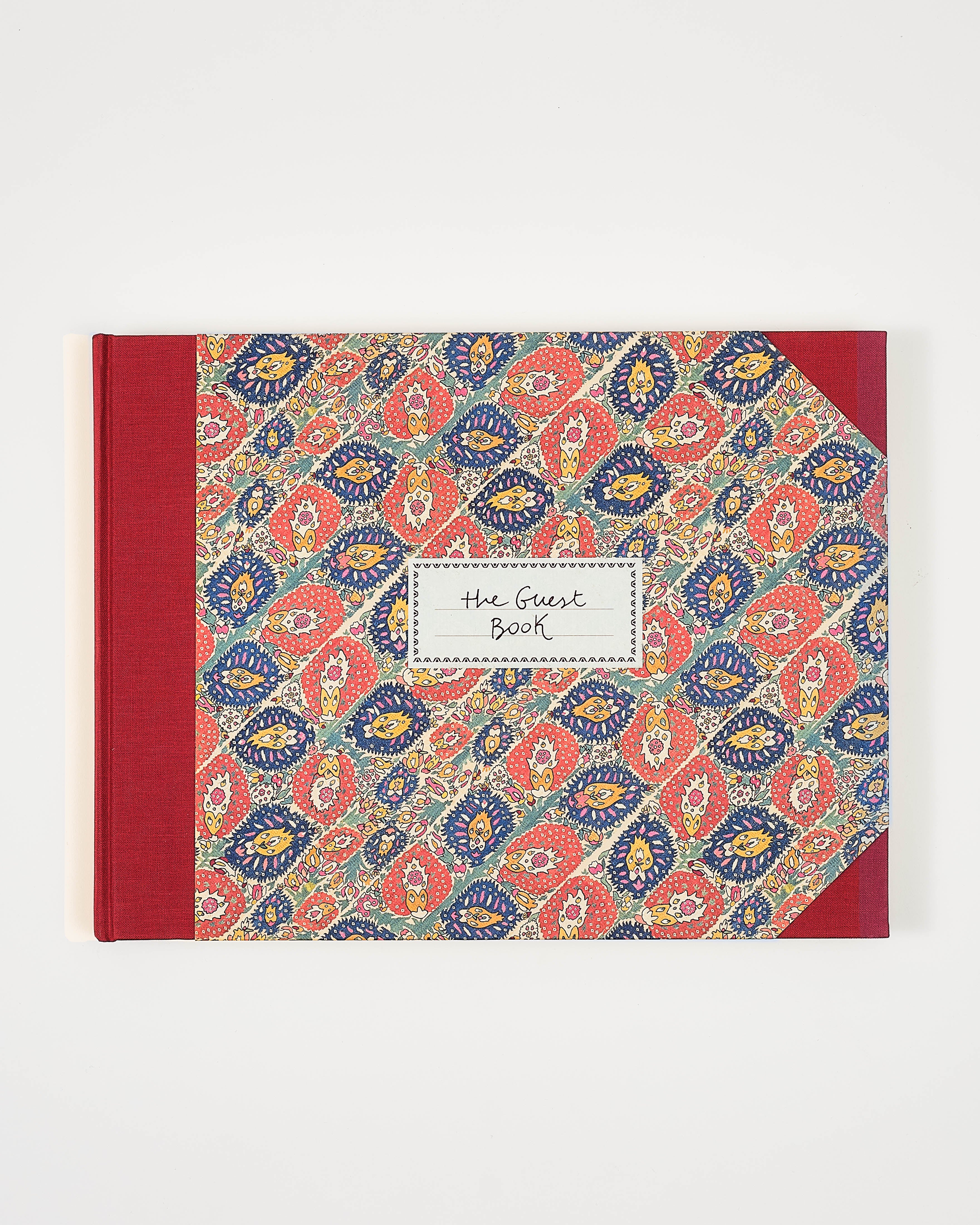
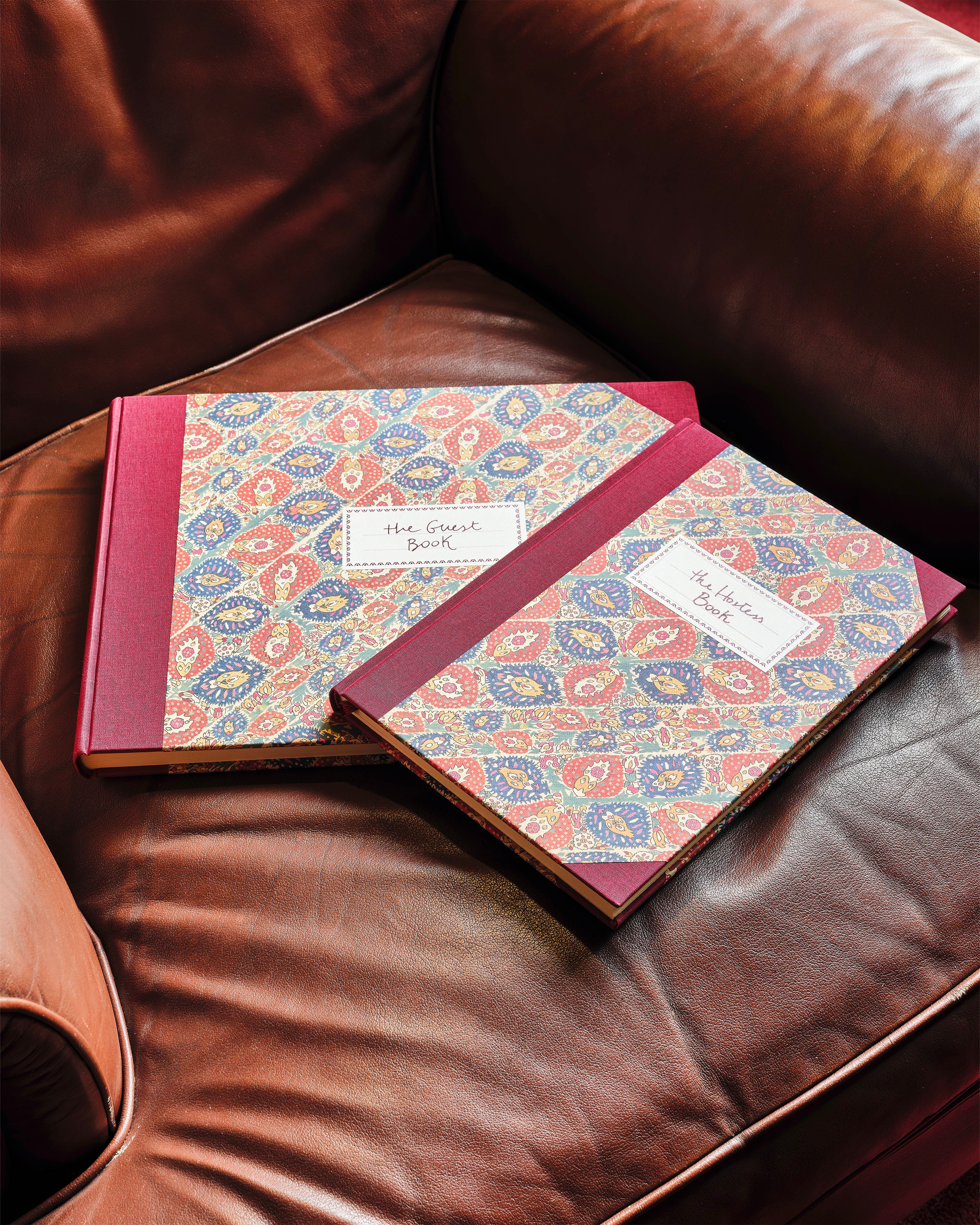
Printed in Italy, our Guest Book is a perfect way to chronicle the visitors to your home and preserve those written memories. Each book features 320 pages (640 sides) of plain cream pages to store names, dates and well wishes and features a hardcover wrapped in our Ioannina pattern, inspired by an antique textile from the archives of the Benaki Museum. The Guest Book makes for a thoughtful gift, and is one that your host is sure to use.

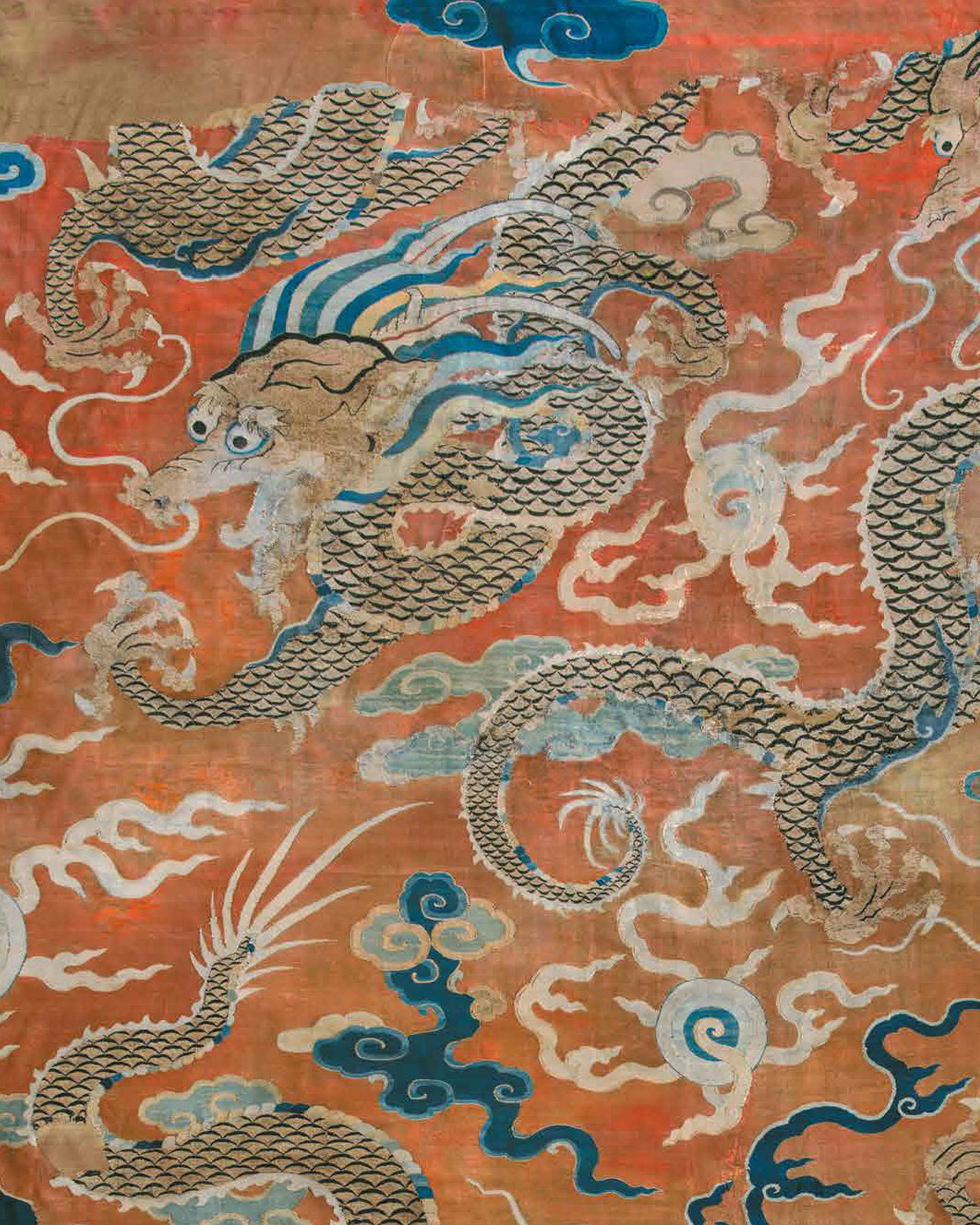
Words by Mariachiara Gasparini, Jacqueline Simcox, Eiren Shea
A captivating journey through the rich tapestry of Asian history, this beautiful and informative book delves into the opulent world of historic textiles. Covering a period when decorative textiles were the ultimate luxury, it showcases the craftsmanship, cultural significance, and artistic expressions woven into each cloth.
It provides a comprehensive overview of the Silk Road and the exchange of ideas, goods, and techniques that fueled the flourishing textile industry across Asia over centuries, from the Byzantine Empire to the Tang and Song dynasties and beyond.
A series of engaging essays highlights the significant features of The Silk Road Textile Collection, exploring the samites of Central Asia with their luxurious silk and intricately woven animal and geometric patterns; studying the exquisite embroideries of the Liao dynasty up close; and examining the imperial textiles of the Ming and Qing dynasties, when power and prestige were expressed through sumptuous court costume.
Perfect for art lovers, historians, and all those captivated by the beauty of textiles, this impeccably packaged volume unravels the fascinating stories embedded in the fabric of ancient Asia.
Published by Prestel
No account yet?
Create an Account